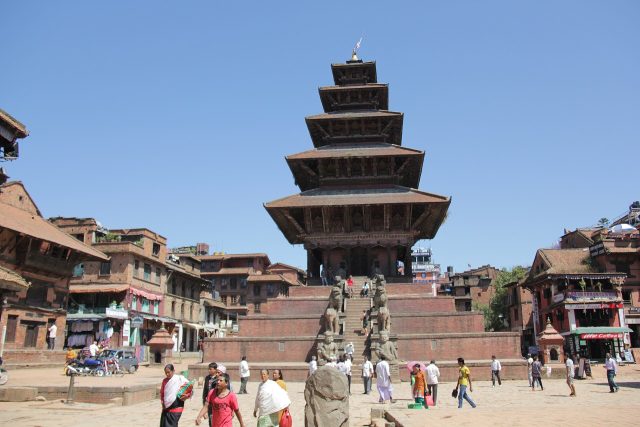
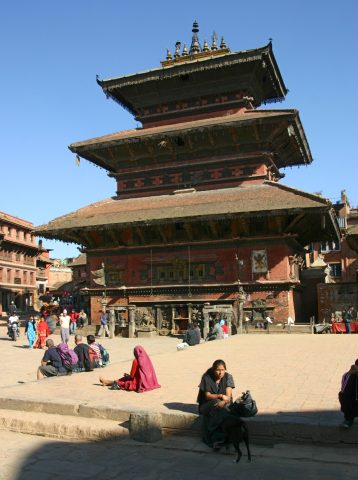
Bhaktapur feels like a place where time has settled into a slower rhythm. The narrow brick-paved streets wind past ancient temples and wooden houses with carved windows, while the air carries the scent of woodsmoke and freshly baked bread. Unlike Kathmandu, this city offers a glimpse of Nepal as it was centuries ago. Among its landmarks, one tells stories not just of grand architecture, but of the everyday lives of its people. That place is the Pujarimath Museum.
Pujarimath is a former residence built in the 15th century for a priest’s family. The name means "house of the priest," and for generations, it was home to those connected to religious rituals. The building retains its original structure, with massive wooden beams, carved columns, and inner courtyards where sunlight filters in, casting shifting patterns on the old walls. It’s an example of Newari culture, which flourished in the Kathmandu Valley.
The museum shows how Newari families lived during the medieval period. The rooms are furnished with traditional pieces: low wooden beds, chests for storing clothes, and clay jars for water. The carved windows let in light while keeping out heat and rain. Some rooms still feature faded murals depicting scenes from daily life and religious myths.
Beyond domestic life, the museum also displays the crafts for which Bhaktapur was once known. Tools used by potters, weavers, and blacksmiths are here, alongside examples of their work. The ceramics range from simple clay pots to painted vessels. In one hall, traditional musical instruments are preserved—many are still played during festivals.
Pujarimath sits in the old city, near Durbar Square. The surrounding streets show how the past and present coexist. Ancient temples stand beside small workshops where artisans still practice age-old techniques. You’ll find wooden masks, metal pitchers, or hand-painted fabrics—items that connect to a living tradition.
Visiting Pujarimath isn’t just about viewing exhibits. It’s about stepping into the atmosphere of a city that has preserved its identity. The inner courtyards offer cool shade and silence. The old wooden staircases creak underfoot, as if whispering their own stories. The museum doesn’t aim to impress with grandeur—its charm lies in showing life as it once was.
Many of the traditions seen in Pujarimath are still alive today. Locals celebrate festivals according to ancient customs, and craftsmen pass down their skills. After exploring, stop by a local teahouse for spiced milk tea or wander through the market, where vendors sell fresh produce. History isn’t confined to displays here—it’s all around you.