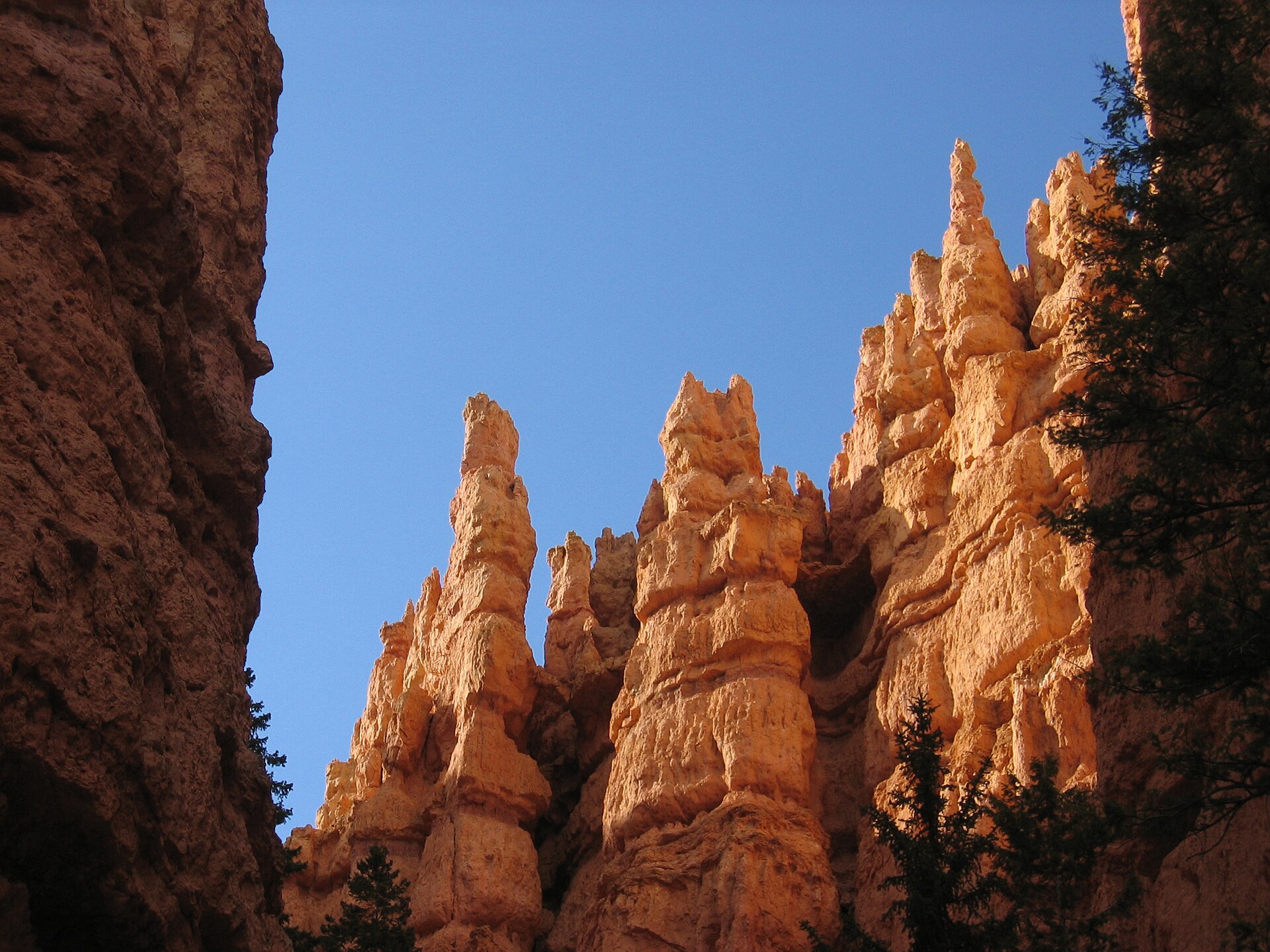
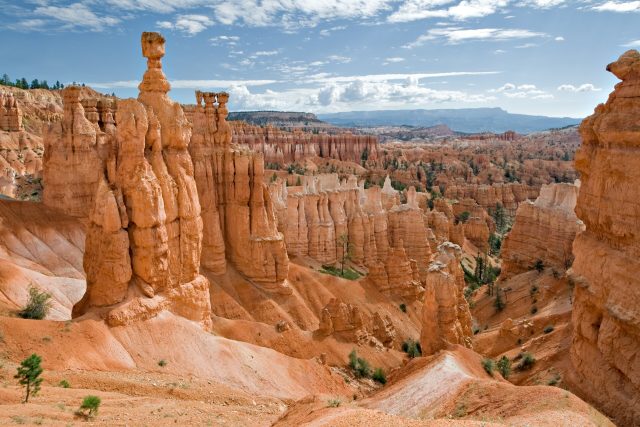
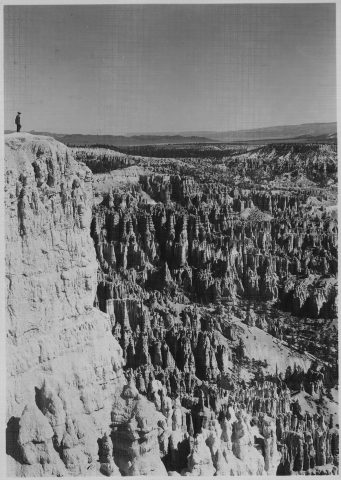
Bryce Canyon isn’t really a canyon at all. It’s more like a vast natural amphitheater carved into the edge of the Paunsaugunt Plateau in southern Utah, where the earth seems to have burst into color. At nearly 8,000 feet above sea level, the landscape is a surreal maze of red, orange, and white rock formations—thousands of spires, towers, and columns known as hoodoos. These strange shapes weren’t sculpted by some grand design but by millions of years of erosion, as rain, wind, and frost slowly wore away the softer stone, leaving behind a scene that looks like the ruins of an ancient city or a petrified forest.
The history of this place stretches back far beyond human memory. Long before settlers arrived, the Paiute people lived in these lands, and to them, the hoodoos were not just rocks but people—ancestors turned to stone by the gods as punishment for their wrongdoings. The canyon was a sacred place, steeped in stories and warnings. Europeans didn’t stumble upon it until the late 1800s, when homesteaders began moving into the area. One of them, a cattle rancher named Ebenezer Bryce, gave the place its name. He once remarked that it was a fine spot to lose a cow, and though the comment wasn’t exactly poetic, it stuck.
Today, Bryce Canyon is one of the most unusual national parks in the U.S., drawing those who seek quiet, space, and a beauty that feels almost otherworldly. Unlike the Grand Canyon, which overwhelms with its sheer size, Bryce rewards close attention. Each hoodoo has its own shape, its own character, as if nature took its time crafting them just to surprise anyone who looks closely. The best moments come at sunrise or sunset, when the light hits the rocks from below, making them glow from within. The colors deepen, the shadows stretch, and for a little while, the whole place feels alive.
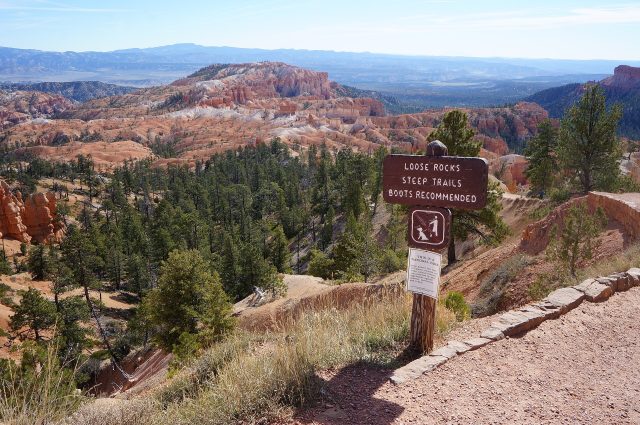
The park has several viewpoints, each offering a different perspective on the amphitheater. Bryce Point is the most famous, where the entire sweep of the canyon unfolds below. From there, the Navajo Loop trail descends into the heart of the hoodoos, winding between towering formations that make you feel small in the best possible way. The path isn’t long, but it’s steep in places, and the air gets thinner as you go. For those who prefer to stay above, shorter walks along the rim or a drive between the viewpoints still offer plenty to see. The road curves along the edge of the plateau, revealing new angles with every turn.
The climate here is as dramatic as the landscape. Summers are hot during the day, sometimes reaching the 90s, but nights can be surprisingly cool, even chilly. Winters bring snow, and the contrast of white against the red rock is striking, turning the canyon into something out of a fairy tale. Spring and fall are the most comfortable times to visit, with mild temperatures and fewer crowds. May and September, in particular, offer a quieter experience, when the park feels almost like a secret.
The plants and animals here have adapted to the harsh conditions of high desert life. Ponderosa pines, junipers, and firs dot the plateau, while aspens and cottonwoods grow in the wetter areas. In spring and summer, wildflowers bloom in patches of color across the rocky ground, some of them rare species found only in these elevations. Mule deer, foxes, and coyotes are common sights, and if you’re lucky, you might spot a golden eagle soaring overhead. Mountain lions live in the area too, though they tend to avoid people.
What makes Bryce Canyon special isn’t just the scenery—it’s the way it makes you feel. Time seems to slow down here. The silence is deep, broken only by the wind or the occasional call of a bird. At night, the sky is so dark and clear that the stars feel close enough to touch. The park is recognized as an International Dark Sky Park, and on clear evenings, the Milky Way stretches overhead like a river of light. It’s a reminder of how small we are, and how rare it is to find a place where the natural world still feels untouched.
If you want to stay longer, there are campgrounds inside the park and a few lodges nearby, though many visitors come just for the day. The small town of Bryce Canyon City has a handful of hotels and restaurants, but the real draw is the land itself. The best way to experience it is to take your time. Bryce doesn’t reveal itself all at once. It’s more like a story that unfolds slowly, with each turn of the trail or shift of the light offering something new. The longer you stay, the more you understand why people keep coming back. There’s nothing else quite like it.