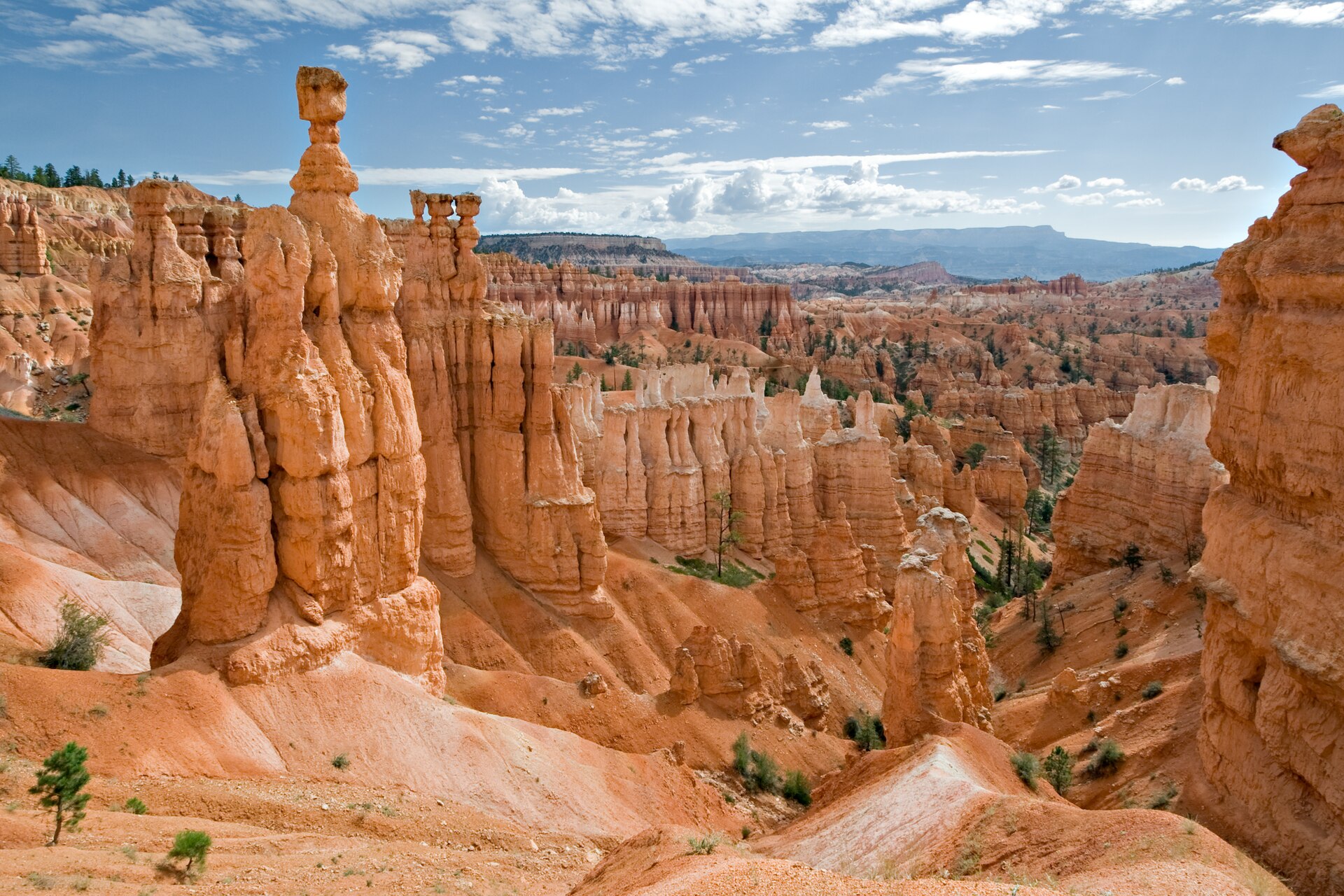
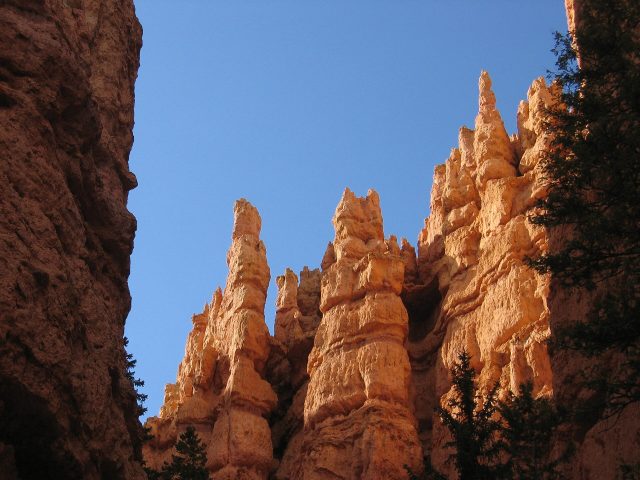
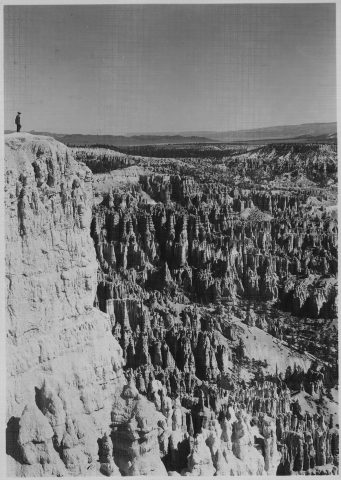
Bryce Canyon isn’t a canyon in the way most people imagine—no sheer cliffs dropping into a river-carved abyss like the Grand Canyon. Instead, the land here fractures into thousands of stone spires, fins, and hoodoos, their surfaces stained in layers of red, pink, and cream. These formations didn’t appear overnight; they’re the result of millions of years of erosion, where rain, snowmelt, and freezing temperatures slowly wore away the softer rock, leaving behind these jagged sculptures. The park sits on a high plateau in southern Utah, between 8,000 and 9,000 feet above sea level, where the air is thin and the sky stretches impossibly wide, its blue so vivid it almost hurts to look.
Long before settlers arrived, the Paiute people lived in these lands, calling them *Unka-timpe-wa-wince-pockich*, or "red rocks standing like men in a bowl-shaped recess." To them, the canyon wasn’t just a landscape but a living story, where the hoodoos were people turned to stone by the trickster Coyote as punishment for their wickedness. When Mormon pioneers reached the area in the late 1800s, they named it after Ebenezer Bryce, a Scottish immigrant who settled nearby to graze cattle. Bryce famously dismissed the place as "a hell of a place to lose a cow," a remark that stuck, though it hardly captures what the land would come to mean to others.
There’s no grand architecture here—just the quiet work of human hands trying not to disrupt what nature has already perfected. The main road winds eighteen miles along the canyon’s rim, with viewpoints like Bryce Point, Inspiration Point, and Sunrise Point offering different perspectives on the same strange beauty. At dawn or dusk, the hoodoos glow like embers, their shadows stretching long across the valley. The park’s design is subtle: trails and overlooks are built to blend in, so you’re never distracted from the landscape itself. Even the visitor center, with its low-slung, earth-toned buildings, feels like part of the scenery rather than an intrusion.
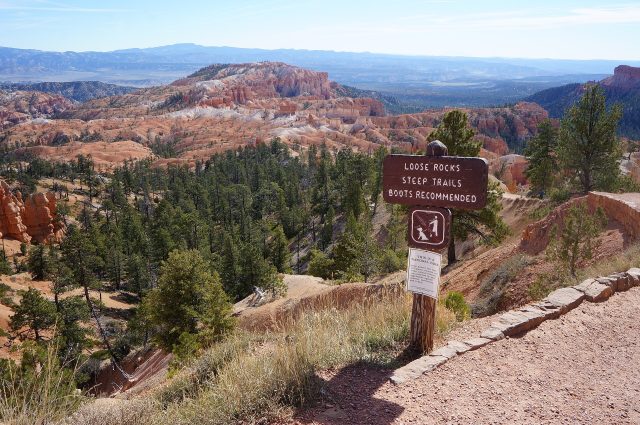
For those who want to step beyond the viewpoints, the park’s trails descend into the heart of the hoodoos. The Navajo Loop is one of the most popular, dropping from Sunrise Point into a narrow slot where the walls press in so close you can touch both sides at once. Walking through it, you’re dwarfed by the scale of the formations, the silence broken only by the crunch of gravel underfoot. Other trails, like the Rim Trail, offer easier walks along the edge, where the views unfold without the effort. In winter, snow dusts the red rock, turning the landscape into something stark and otherworldly, while spring brings wildflowers to the meadows and the scent of pine to the air.
The weather here is as changeable as the scenery. Summers are warm but rarely hot, thanks to the elevation, though nights can still carry a chill. Winters are quiet, with snow blanketing the hoodoos in white, while spring and fall bring the most comfortable temperatures. Storms can roll in quickly, turning a sunny morning into a downpour by afternoon, so it’s wise to come prepared. The altitude, too, takes some getting used to—even a short hike can leave you catching your breath if you’re not acclimated.
Wildlife moves through the park as if it’s always been theirs. Mule deer graze near the roads, unfazed by visitors, while ground squirrels dart between rocks and ravens wheel overhead. Less commonly seen are the coyotes, foxes, and occasional mountain lion, though their presence lingers in paw prints and distant howls. The plant life is just as varied: ponderosa pines and junipers cling to the dry slopes, while aspens shimmer gold in the fall. At night, the lack of light pollution turns the sky into a spectacle, with the Milky Way arching so clearly it feels like you could reach up and touch it.
What makes Bryce Canyon special isn’t just its geology or its views, but the way it makes you feel. There’s a sense of timelessness here, as if the land has been waiting for you to notice it. The hoodoos, with their strange, almost human shapes, seem to watch as you pass, their silence more eloquent than any guidebook. It’s a place that invites you to slow down, to pay attention to the way light shifts across the rock or how the wind sounds different in the narrows. You might come for the scenery, but you’ll leave with something quieter—a sense of having stepped outside the rush of everyday life, if only for a little while.
That’s why people return. Not just for the photographs or the bragging rights, but for the way the place lingers in memory long after you’ve left. It’s not about conquering the trails or ticking off viewpoints; it’s about letting the landscape work on you, the way it has for thousands of years. Whether you spend a day or a week here, Bryce Canyon leaves the impression that you’ve seen something rare—not just a place, but a moment of the earth’s long, slow creation. And that’s enough to make you want to come back.