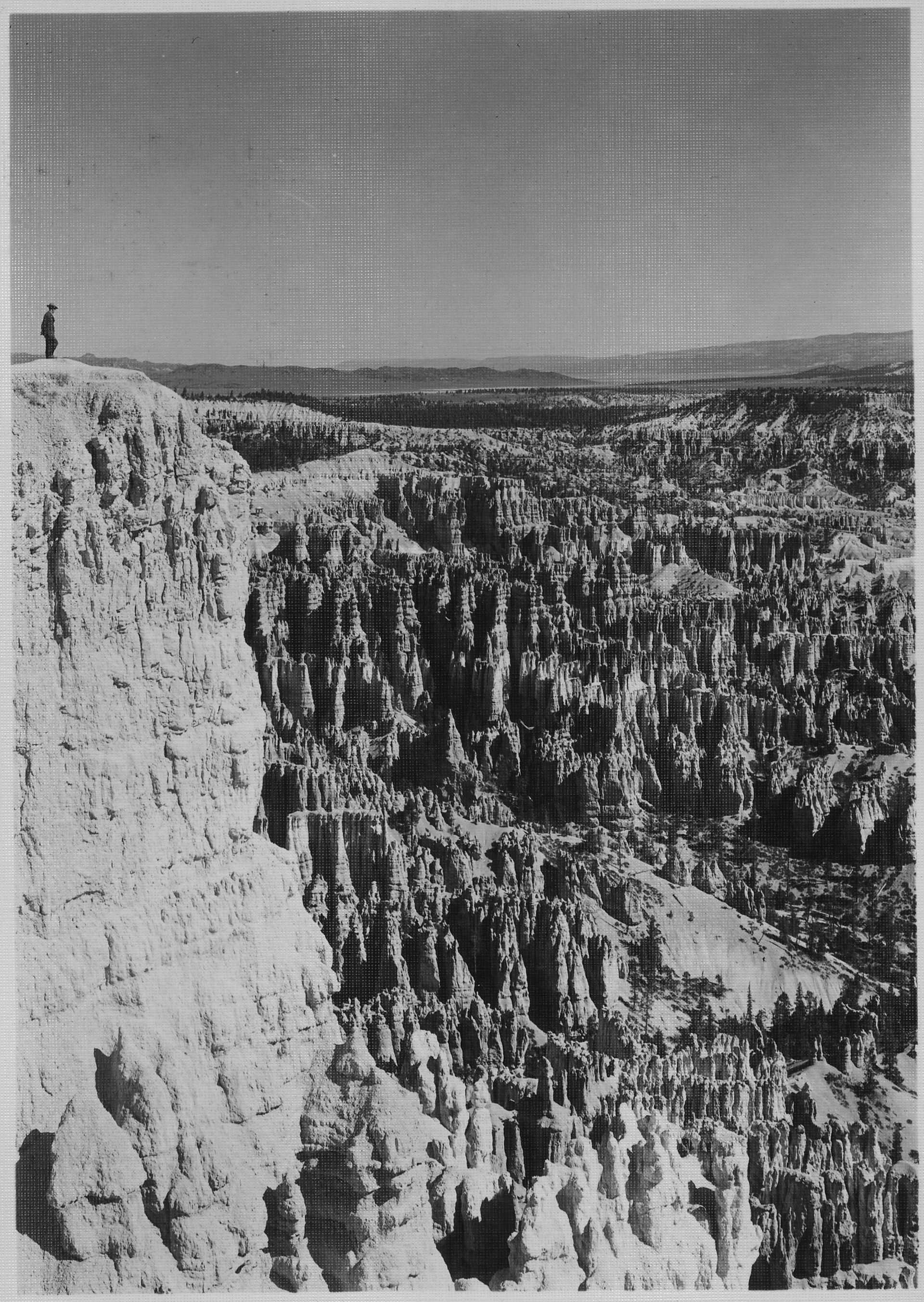
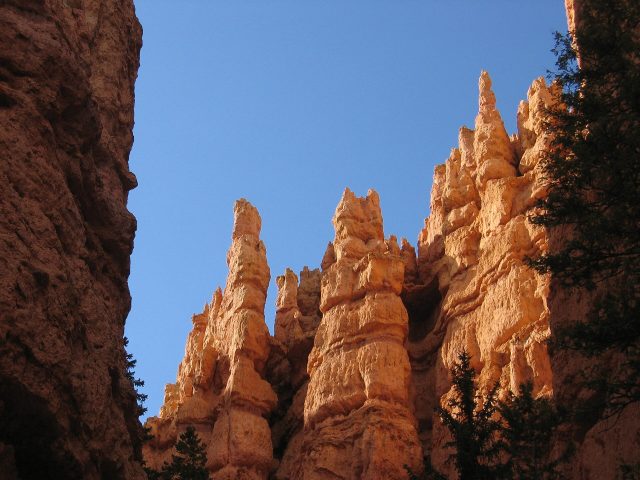
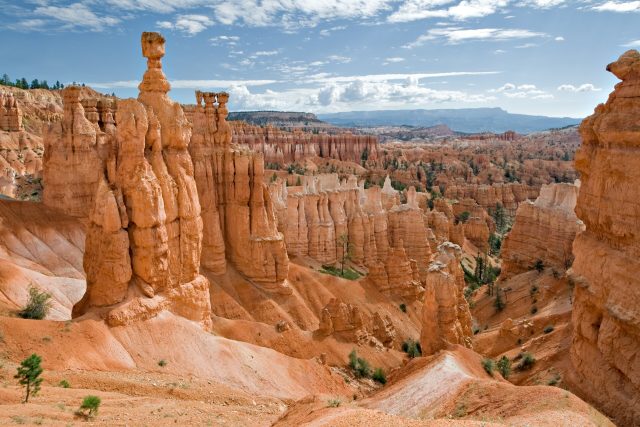
Sunrise Point in Bryce Canyon National Park is one of those rare places where the landscape feels almost deliberately designed to take your breath away. Perched at around 8,200 feet above sea level, the overlook offers a sweeping view of one of the most unusual geological formations on earth—the Bryce Amphitheater, a vast natural bowl filled with hundreds of rust-colored rock spires known as hoodoos. These towering formations, carved by wind, water, and time from soft sedimentary rock, create an otherworldly scene that shifts with the light. Some resemble ancient ruins, others a petrified forest, but all of them seem to glow when the first light of dawn touches their surfaces. The name Sunrise Point isn’t just poetic; it’s practical. This is where the morning sun first illuminates the amphitheater, turning the hoodoos into a blaze of pink, gold, and amber.
Bryce Canyon itself is unlike the deep, river-carved gorges most people imagine when they think of canyons. Instead, it’s a series of vast natural amphitheaters eroded into the edge of the Paunsaugunt Plateau. Geologists believe this land was once the floor of an ancient lake, later shaped by rivers before wind and ice took over, slowly wearing away the softer rock and leaving behind the harder, more resistant formations. The hoodoos here vary in shape and size—some are tall and slender, like skyscrapers, while others are squat and broad, like ancient sentinels. Though they appear unchanging, they’re constantly evolving, even if the process is too slow for the human eye to notice.
Sunrise Point isn’t just a single viewpoint but part of a network of overlooks that trace the rim of the canyon. From here, you can see other famous spots like Sunset Point and Inspiration Point, but this particular overlook has a unique quality. The morning light reveals the depth and texture of the landscape in a way that feels almost intimate. On clear days, visibility stretches for miles, the horizon blurring into the sky. In winter, snow dusts the hoodoos, turning them into ghostly white sculptures, while summer monsoons can bring sudden rainbows arching over the amphitheater. Spring and fall are quieter seasons here, with fewer visitors and the air scented with juniper and pine.
The history of this place is deeply tied to the people who lived here long before it became a national park. The Paiute people, who inhabited the region for centuries, called the canyon *Unka-timpe-wa-wince-pockich*, meaning "red rocks standing like men." They believed the hoodoos were ancient beings turned to stone as punishment for their misdeeds. According to their stories, these lands were a place of power, where spirits guided people to water and food. European settlers didn’t arrive until the late 1800s, and for decades, the canyon remained remote and largely unknown. It wasn’t until the 1920s, when Bryce Canyon was designated a national monument and later a national park, that travelers began to visit in significant numbers.
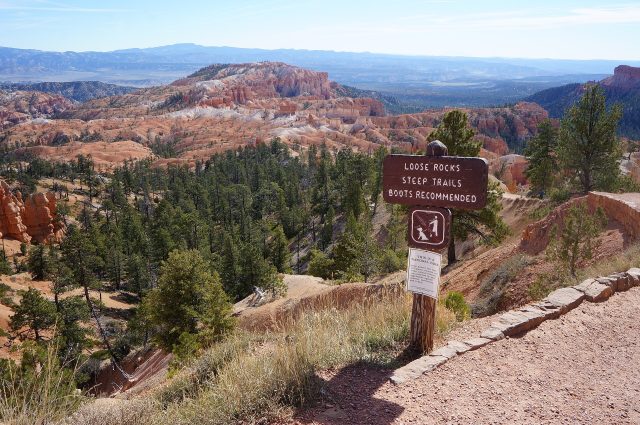
Today, Sunrise Point is one of the most popular spots in the park, but it’s still possible to find moments of solitude. The overlook is well-maintained, with safe viewing areas and short trails that lead to the canyon’s edge. One of the most rewarding is the Navajo Loop, a winding path that descends into the amphitheater, allowing you to walk among the hoodoos and see them from different angles. The loop takes about an hour to complete, but time feels fluid here—you’ll stop often to take in a particularly striking formation or simply stand in silence, listening to the wind whisper through the rocks.
The atmosphere at Sunrise Point shifts with the time of day. Mornings are the busiest, with photographers and early risers gathering before dawn to claim the best spots. By midday, the sun is high, and the shadows shrink, muting the colors of the hoodoos. But as evening approaches, the crowds thin, and the canyon regains its quiet. Occasionally, you might spot mule deer or foxes near the sparse water sources, while red-tailed hawks and eagles circle overhead. At night, if the weather cooperates, the sky becomes a dazzling display of stars. Far from city lights, the Milky Way stretches across the darkness, so vivid it feels almost within reach.
For those who want to spend more time here, there are plenty of options. Nearby campgrounds offer a chance to wake up to the canyon’s beauty, and several trails cater to different skill levels. The Queen’s Garden Trail descends into the amphitheater, leading to some of the most striking hoodoos, while the longer Riggs Spring Loop offers views of the park’s more remote areas. But even if you only have time to stand at the overlook, it’s enough. The scale of the landscape is humbling—there’s no rush, no noise, just the wind, the rocks, and the vastness of the sky.
Bryce Canyon and Sunrise Point have a way of making you reflect on time. It took millions of years to shape these formations, and it will take millions more for them to erode away. Human life is fleeting in comparison, but moments like these remind you of the importance of pausing to truly see the world. There’s no artifice here, no attempt to enhance what’s already perfect. The beauty of this place is raw and unfiltered, needing no explanation. Maybe that’s why people keep coming back—to be reminded that nature, in its own quiet way, creates masterpieces just as profound as anything humans have ever made.