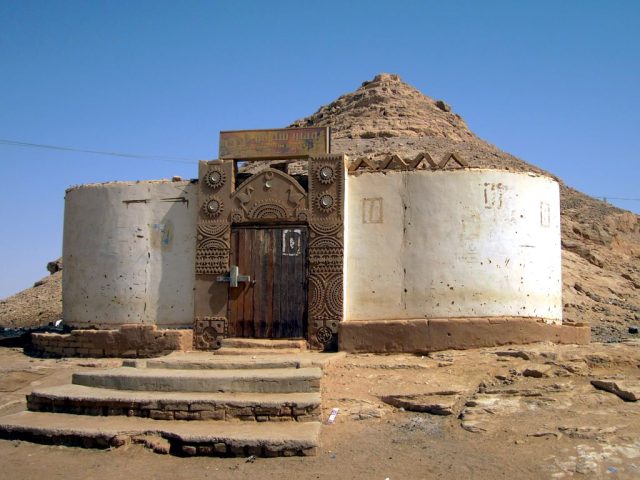
Wadi Halfa sits at the northern edge of Sudan, where the Nile makes its final bend before disappearing into the waters of Lake Nasser. The town feels suspended between two worlds—Egypt just across the border, and the vast, quiet stretches of the Nubian Desert behind it. It’s a place where history lingers in the air, not as something grand and distant, but as something tangible, almost within reach. The Archaeological Museum here is small, unassuming, and far from the tourist crowds that flock to Cairo or Luxor. Yet it holds fragments of a past that might otherwise have been lost forever.
The museum came into being during the mid-20th century, when archaeologists were racing against time. The construction of the Aswan High Dam threatened to submerge much of ancient Nubia, and international teams worked frantically to salvage what they could. Wadi Halfa became a gathering point for artifacts before they were shipped off to Khartoum or abroad. What remains here is a quiet testament to that effort—a collection of objects that survived the flood, each carrying a piece of a civilization that now lies beneath the water.
The exhibits span thousands of years, but the heart of the museum belongs to the Kingdom of Kush, which flourished in this region from the 8th century BCE. The artifacts tell a story of a culture that was never merely an offshoot of Egypt, but a power in its own right. There are delicate pottery pieces adorned with geometric patterns, stone stelae inscribed with hieroglyphs, and small but striking statues of gods and rulers. The craftsmanship is remarkable, especially considering the modest size of many items. Bronze and gold jewelry, unearthed from royal tombs, hints at the wealth and sophistication of a kingdom that once rivaled its northern neighbor.
A separate section of the museum is dedicated to Nubia’s Christian era, when the region was part of the Byzantine world. The exhibits here feel particularly intimate—frescoes from drowned churches, fragments of carved wooden iconostases, and simple clay lamps that once lit homes and places of worship. These objects speak of a time when Nubia was a crossroads between Africa and the Mediterranean, where Greek and Coptic prayers mingled with the sounds of trade. The artifacts are modest, but they carry a quiet dignity, as if preserving the voices of those who once used them.
The Islamic period is represented by coins, weapons, and ceramics from medieval settlements along the Nile. These items show how life in Nubia evolved under new influences while still holding onto older traditions. Some of the patterns on the pottery echo designs from the Kushite era, a subtle reminder of how deeply the past is woven into the present. The museum doesn’t just display history—it shows how layers of time overlap, how one era fades into another without entirely disappearing.
The building itself is unremarkable at first glance, but it, too, has a story. Constructed in the mid-20th century, it once stood at the center of Wadi Halfa’s role as a transport hub. Steamships and later trains passed through here, connecting Sudan to Egypt. Today, the town moves at a slower pace, and the museum is one of the few places where its past still feels alive. The halls are quiet, the visitors few, and the atmosphere is one of quiet reflection. There’s no rush here, no need to hurry past the exhibits. Each object seems to wait patiently, as if knowing that someone will eventually stop to listen.
For those who make the journey to Wadi Halfa, the museum offers more than just a glimpse into the past—it provides a way to understand the land itself. There are no famous names or world-renowned masterpieces here, but that’s part of what makes it special. The artifacts are fragments of everyday life, pieces of a puzzle that, when put together, reveal the lives of people who walked this same ground thousands of years ago. Many of Nubia’s monuments are gone, swallowed by the lake, but the museum keeps their memory alive.
A visit here can be the starting point for exploring the wider region. From Wadi Halfa, it’s possible to venture to the few ancient temples that survived the flooding, or to follow the paths of the archaeologists who once worked here. The town isn’t just a destination—it’s a gateway to a past that still lingers in the stones and sand. The museum doesn’t shout its importance; it simply waits, offering those who take the time a chance to hear the stories it holds.