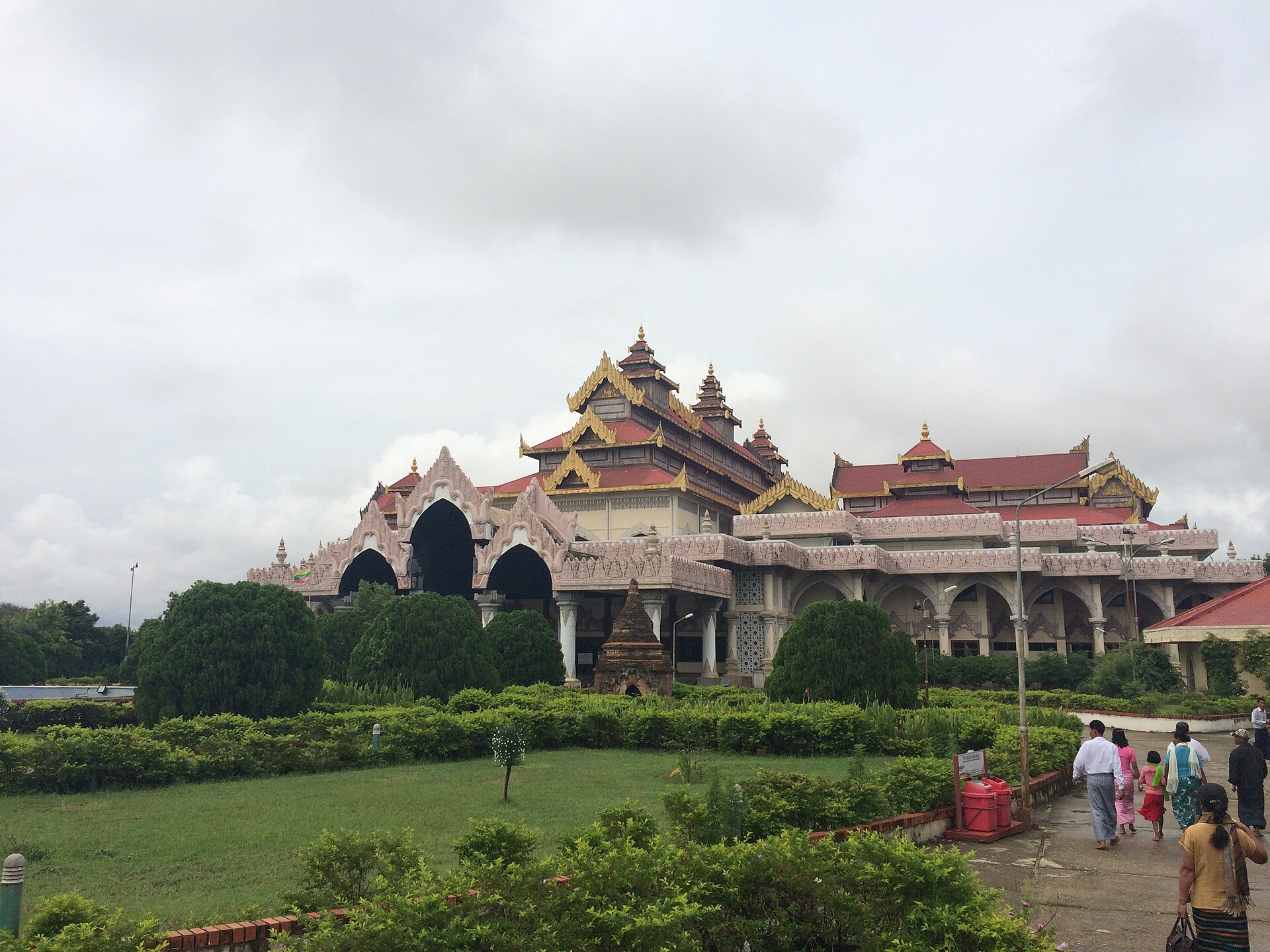
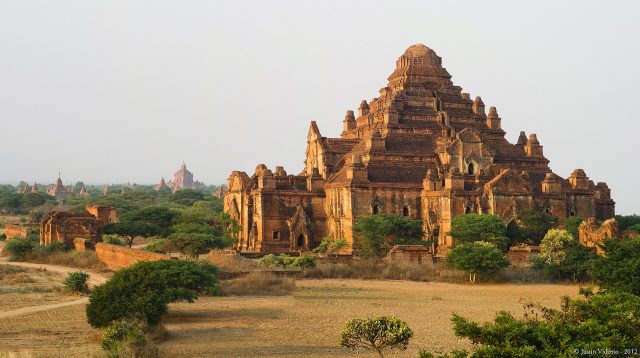
Bagan is a place where time seems to have paused, leaving behind a plain dotted with ancient temples and pagodas along the Irrawaddy River. Among these ruins stands a quiet place where the past isn’t just seen—it’s understood. The Bagan Archaeological Museum isn’t a collection of artifacts; it’s a gateway to the people who built this landscape, offering context to the grandeur that now stands in decay.
The museum sits near Ananda and Shwezigon temples. Its exterior gives little hint of what lies inside. There are no grand halls, just objects that have survived wars, earthquakes, and centuries of neglect. Each piece—a stone inscription, a mural, or a clay pot—carries a fragment of life from when Bagan was a center of faith, culture, and power. The museum invites reflection, letting the artifacts speak for themselves.
The idea for the museum emerged in the mid-20th century. Bagan needed a space to preserve discoveries unearthed during excavations. Many finds were accidental—uncovered during restoration work, after tremors, or by farmers tilling fields. Without archaeologists and historians, some might have been lost. Today, the museum serves as a repository and research hub, where scholars study the region’s past.
The collection’s most valuable part is its stone steles and inscriptions. Carved in Pali, Sanskrit, and Old Burmese, these texts document religious donations, temple constructions, and royal reigns. Some inscriptions reveal how language and script evolved. Nearby, bronze and stone Buddha statues reflect the artistic styles of their time. These figures hint at cultural exchanges between Bagan and its neighbors—India, Thailand, and Sri Lanka—showing how ideas traveled along trade routes.
The museum also holds murals and frescoes removed from temple walls to protect them. These paintings depict scenes from the Buddha’s life, jataka tales, and daily existence in 11th- to 13th-century Bagan. Though faded, they convey the skill of the artists. The way they rendered landscapes and figures offers a window into the values of the time.
Beyond religious and artistic treasures, the museum holds everyday objects. Pottery, coins, jewelry, and tools found in monastic and residential areas reveal how people lived, worked, and traded. Clay lamps, bronze bells, and weights used in commerce suggest Bagan was a hub connecting China and India.
The museum doesn’t rely on flashy exhibits. Its strength is restraint, offering just enough to spark curiosity. The galleries are organized thematically—architecture, religion, daily life—and objects are arranged to build a narrative. Walking through the halls, you can piece together what Bagan was like at its height.
For travelers who come to marvel at its temples, the museum provides deeper understanding. It turns the ruins into something tangible—a city where people prayed, traded, and lived. Spending time here lets you notice details missed during a quick temple visit. When you step outside, the landscape feels richer, as if the stones tell their stories.
Bagan’s history isn’t confined to books; it’s scattered across the land. The Archaeological Museum doesn’t have all the answers, but it offers enough to start a conversation with the past. You can continue it as you wander among the temples, seeing them not just as monuments, but as echoes of a world that once was.