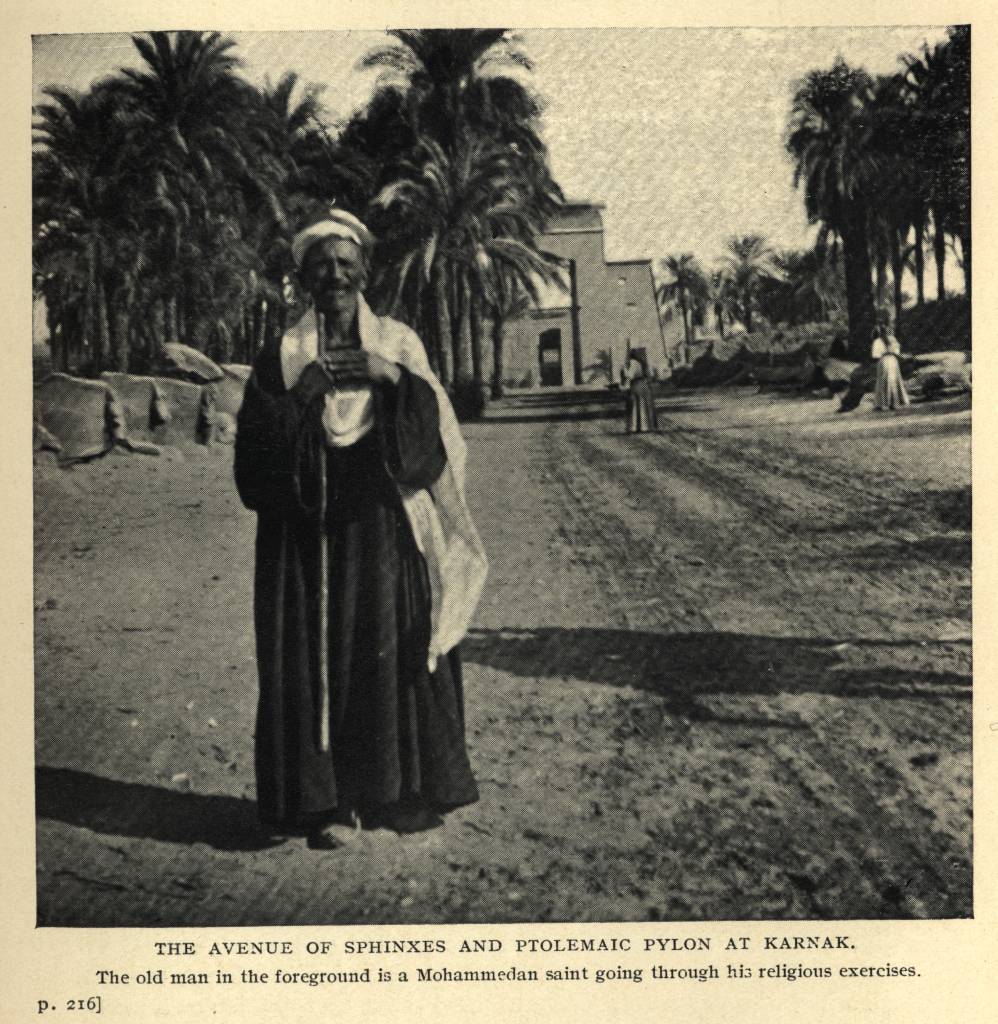
The Avenue of Sphinxes in Karnak is one of those rare places that make you pause and consider the sheer weight of human history. Stretching nearly three kilometers, it once served as a sacred processional path connecting the temples of Karnak and Luxor. Today, it feels less like a road and more like an open-air museum, where every stone carries the marks of centuries.
Unlike the famous sphinxes of Giza, these statues depict rams with the faces of pharaohs. The ram was a symbol of Amun-Ra, the chief deity of Thebes, and these figures were not merely decorative—they were guardians of the sacred way. Lined up in two rows, they created a grand corridor that once echoed with the footsteps of priests and pilgrims. Around a thousand sphinxes remain today, though originally there were far more.
Construction began under Pharaoh Nectanebo I in the 4th century BCE, but the work continued under his successors. This was no ordinary engineering project; it was part of a grand religious vision uniting two of Upper Egypt’s most important temples. Karnak was considered the home of Amun-Ra, while Luxor Temple was seen as his earthly manifestation. The avenue symbolized the connection between them, turning the journey from one temple to the other into a sacred ritual.
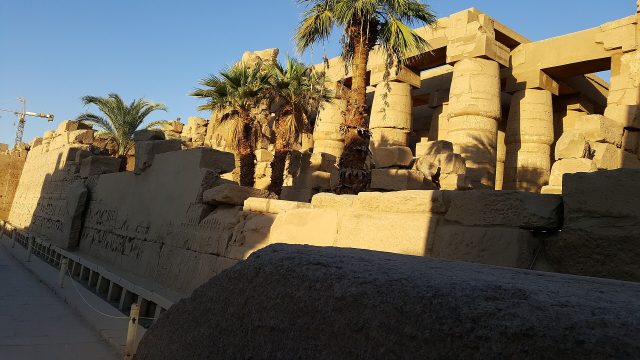
Walking the avenue today means following in the footsteps of ancient Egyptians. The stones beneath your feet are worn smooth by millennia, and though many sphinxes have lost their heads or bear deep cracks, they still command attention. The closer you get to Karnak, the better preserved the statues appear, while the middle sections remain untouched by restoration, their weathered surfaces telling their own stories.
For centuries, the avenue lay hidden beneath sand and urban development. It wasn’t until the early 21st century that large-scale excavations and restorations began, revealing its full length. Parts of the path have been repaved to protect the ancient stones, allowing visitors to walk without causing further damage. Yet it’s worth remembering that this was never just a tourist attraction—it was a place imbued with deep spiritual significance.
Time feels different here. Under the midday sun, the stones radiate heat, and the air shimmers, blurring the line between past and present. As evening falls, the sphinxes cast long shadows, and for a moment, it’s easy to imagine the processions that once passed this way—golden statues of gods, chanting priests, and the rhythmic beat of drums. Modern Luxor fades into the background, leaving only the quiet grandeur of antiquity.
For those fascinated by history, the avenue offers a glimpse into how the ancient Egyptians perceived space and meaning. It wasn’t just a road; it was part of a complex religious system where every detail mattered. The spacing of the statues, their orientation, even the carvings—all followed precise rules. Archaeologists continue to study these nuances, piecing together not just the avenue’s physical form but its deeper symbolism.
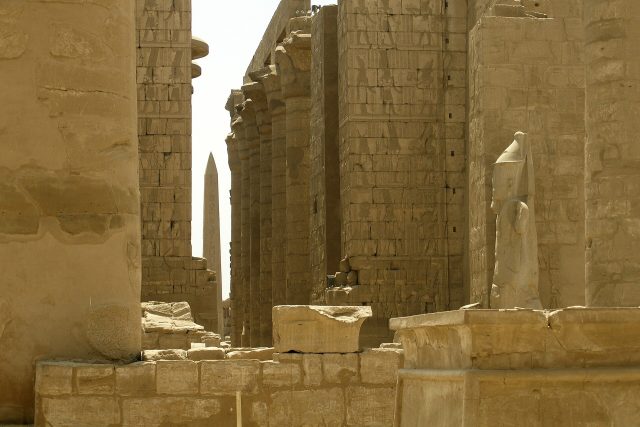
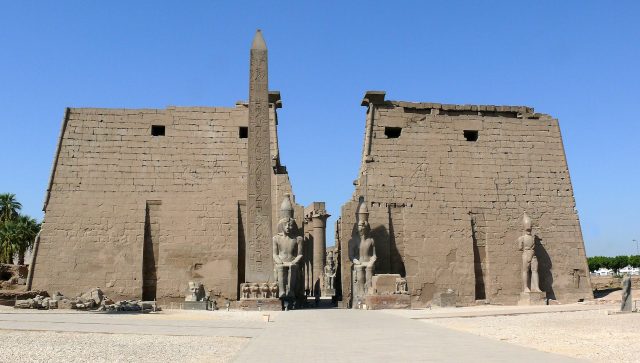
The best way to experience the avenue is alongside Karnak Temple, as the two were designed to be part of a single journey. Starting from Luxor, the first sphinxes appear gradually, followed by remnants of ancient gateways, until finally, the towering columns of Karnak come into view. It’s a route that reveals just how carefully planned and meaningful ancient Egyptian culture was.
Unlike the crowded pyramids or the Valley of the Kings, the Avenue of Sphinxes remains relatively quiet. There are no tour groups rushing past, no vendors calling out—just the chance to wander at your own pace and absorb the atmosphere. It may not be as immediately striking as other Egyptian landmarks, but that’s part of its charm. Here, history isn’t performed for an audience; it simply exists, waiting to be discovered.