Karnak is more than an ancient ruin—it’s a vast, layered world where history, faith, and architectural ambition collide. Stretching across the east bank of the Nile near Luxor, this sprawling temple complex served as Egypt’s most important religious center for over two thousand years. At its heart was the worship of Amun-Ra, the sun god and creator of the universe, a deity so central to Egyptian belief that every pharaoh sought to leave their mark here. Some added towering obelisks, others expanded the sacred precincts with new halls or sanctuaries. The temple grew alongside the empire, absorbing the ambitions of the Middle Kingdom, the grandeur of the New Kingdom, and even the fading echoes of Egypt’s later decline.
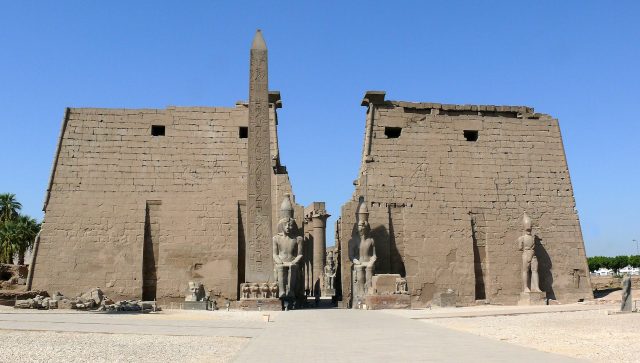
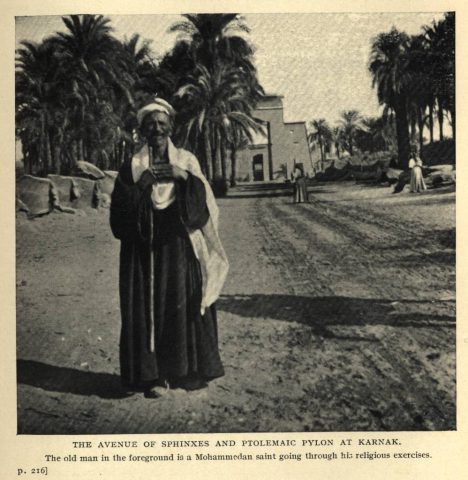
Stepping into Karnak feels like entering a labyrinth of stone giants. The first thing that strikes you is the avenue of sphinxes, their ram-headed forms once lining a processional path that stretched for kilometers, connecting Karnak to the Luxor Temple. Today, only fragments remain, but even these hint at the scale of the original design. Passing through the first pylon, you emerge into a vast courtyard where columns and obelisks loom in every direction. The air is thick with the weight of time—sunlight slants across the walls, illuminating faded hieroglyphs and reliefs that tell of pharaonic victories and offerings to the gods.
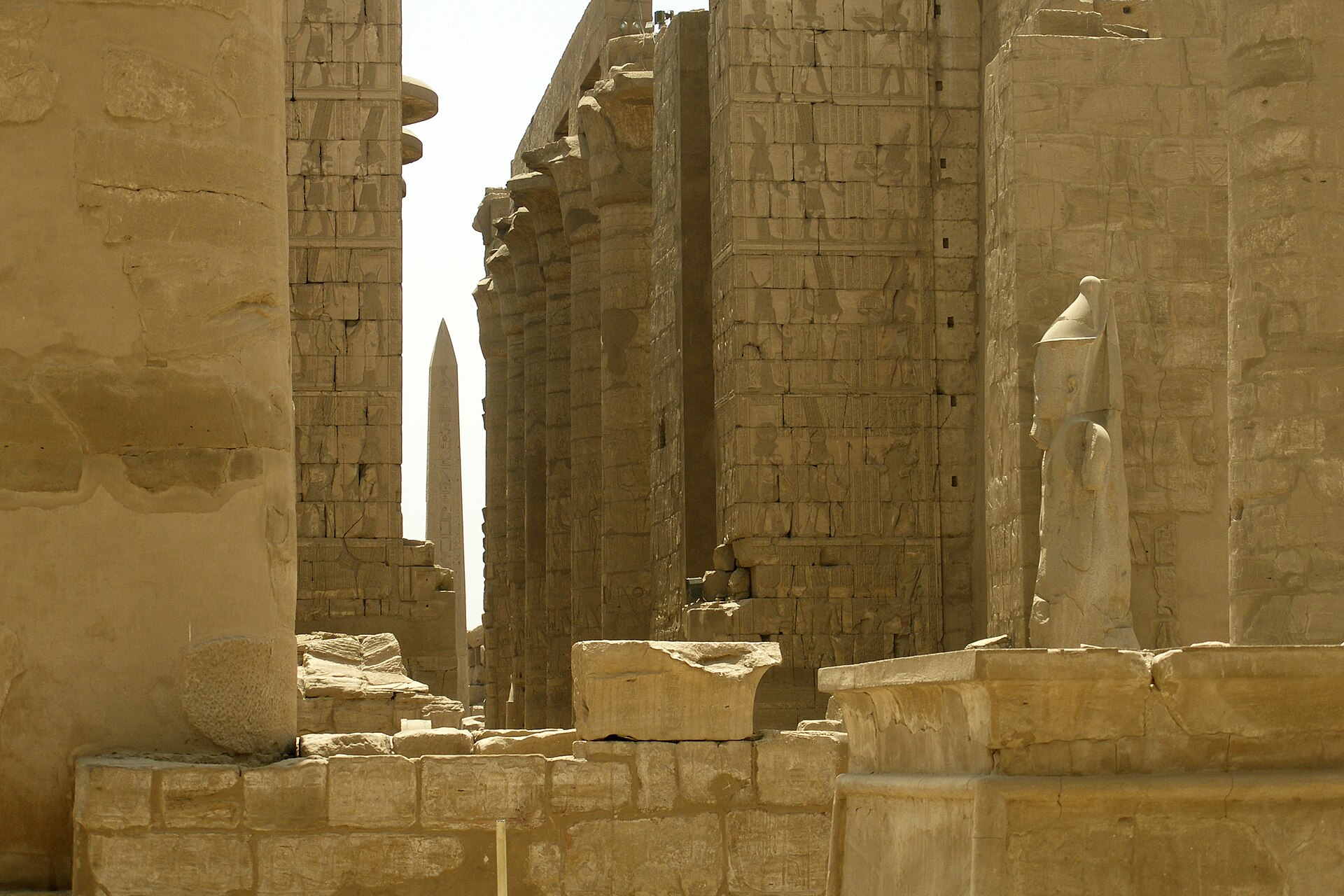
The hypostyle hall is Karnak’s crowning achievement, a forest of stone so vast it defies belief. Covering over a hectare and a half, its 134 columns—some as tall as twenty meters—once supported a roof painted with vibrant scenes of gods and kings. Most of the color has long since faded, but the sheer scale of the space remains overwhelming. Standing beneath these towering pillars, it’s impossible not to feel small, as if the weight of centuries presses down from above. The effect is most dramatic at dawn or dusk, when the angled light carves deep shadows into the stone, revealing the texture and craftsmanship of the ancient masons.
Karnak was never a static monument. Each pharaoh sought to outdo their predecessors, adding new structures or repurposing old ones. Ramses II erected a massive pylon adorned with scenes of his military triumphs, while Thutmose III built a sanctuary dedicated to his divine mother, Hatshepsut. Some rulers didn’t just expand the temple—they tried to erase the legacy of those who came before. Hatshepsut, the female pharaoh whose reign was later scrubbed from history, left behind obelisks that were later entombed within the walls by her successors. Archaeologists continue to uncover these layers, piecing together the complex narrative of Egypt’s past.
Beyond the main complex dedicated to Amun-Ra, Karnak holds other temples, each with its own story. The Temple of Mut, the mother goddess, is encircled by a sacred lake where priests once performed ritual purifications. The Temple of Montu, the war god, is less intact but offers intriguing architectural details. Even the small Temple of Ptah, the god of craftsmen, hints at Karnak’s role as more than just a religious site—it was also an economic hub, where artisans, scribes, and priests worked in the shadow of the gods.
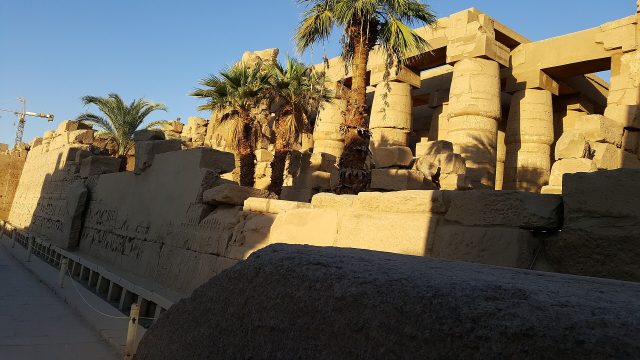
Today, Karnak is an open-air museum, its stones whispering secrets of the past. It’s less crowded than the Valley of the Kings, but far from quiet—guides narrate stories, photographers chase the perfect shot, and vendors sell souvenirs. Yet if you wander off the main paths, the atmosphere shifts. Early mornings or late afternoons are best, when the heat eases and the light softens. In those moments, it’s easy to imagine a priest in white linen emerging from the shadows or a pharaoh’s procession winding through the columns.
Karnak has witnessed the rise and fall of empires, foreign invasions, and centuries of neglect. It was here that the fate of Egypt was debated, where kings sought divine favor, and where the gods were believed to walk among mortals. Now, it offers its stories to anyone willing to listen. There’s no set route—you could spend hours tracing the outlines of a half-erased relief or deciphering a faded inscription. Each visit reveals something new, as if the temple itself decides what to share. And in that way, Karnak remains alive, a place where the past is never truly gone.