
Rachaya
Lebanon · 8 places
Photo: Hardscarf, CC BY-SA 4.0
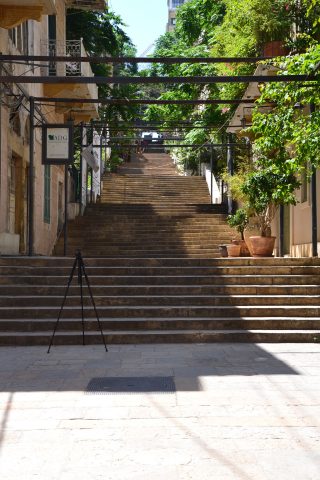
Perched in the mountains of eastern Lebanon, Rashaya feels like a place where time has paused, content to let the world rush by without it. There are no crowded beaches, no honking traffic, no tour buses lining the streets—just quiet lanes winding between stone houses with terracotta roofs, the scent of pine and woodsmoke lingering in the cool mountain air. At nearly a thousand meters above sea level, the town looks out over valleys that stretch into the distance, shifting from lush green to rocky slopes and, in winter, to snow-dusted peaks. The views alone make it worth the journey, but the real charm lies in the unhurried rhythm of life here, where the days unfold at the pace of the seasons rather than the clock.
Rashaya’s history is woven into the ancient trade routes that once crisscrossed these mountains, connecting Damascus to the Mediterranean. The town was a vital stop along the way, and remnants of that past still linger in the old caravanserais and fortresses scattered across the surrounding hills. The most striking of these is Rashaya Castle, built in the 18th century atop even older fortifications. From its hilltop perch, the fortress overlooks the entire valley, and on clear days, locals say you can see the snow-capped peak of Mount Hermon, though it lies over a hundred kilometers away. The castle isn’t just a relic—it’s a living part of the town’s identity, a place where history feels tangible rather than preserved behind glass.
Life in Rashaya moves to the slow, steady beat of the mountains. Summers are cooler here than on the coast, drawing visitors seeking refuge from the heat. The town’s cafés serve strong coffee and fresh fruit, while evenings bring locals to the squares, where old men play backgammon and children kick soccer balls under the fading light. Winter transforms Rashaya into a different kind of place—quieter, softer, with snow blanketing the rooftops and smoke curling from chimneys into the low-hanging clouds. Nearby slopes offer skiing without the crowds, a rare find in a region where winter sports often mean long lines and packed resorts.
The town’s culture is a blend of tradition and quiet modernity. Artisans still craft pottery and textiles using methods passed down through generations, and the local market is a treasure trove of spices, olive oil, hand-embroidered fabrics, and wooden carvings. Yet Rashaya isn’t stuck in the past. Small galleries showcase the work of local artists, and cafés serve falafel with contemporary twists, like spicy harissa sauce or pickled vegetables. There are no world-famous museums here, but the town itself feels like an open-air exhibit, where history and daily life intertwine effortlessly.
For visitors, the greatest pleasure in Rashaya is simply wandering—through the town’s narrow streets, up to the castle at sunrise when the valley glows gold, or along mountain trails that lead to abandoned villages and ancient shrines. Nearby springs offer cool, clear water for swimming in summer, while winter brings the chance to sled down snow-covered slopes. Locals are quick to welcome strangers, sharing stories over homemade wine or pointing out the best spots for photographs. There’s no pressure to see or do anything in particular; the joy is in the slow discovery, in the way the town reveals itself bit by bit.
Rashaya isn’t a place that tries to impress. There are no luxury hotels or flashy restaurants, just quiet hospitality and the sense that time here follows its own rules. It’s a town that exists for itself, not for tourists, and that’s precisely what makes it special. Those who visit once often find themselves returning, drawn back by the unspoken promise of a place where life feels simpler, slower, and somehow more real.
See & Do
All of them
Places on the map
Marker colour follows the categoryClimate and weather
Detailed weather: Rachaya- Average temperature
- 17 °C
- Precipitation per year
- 669 mm
- Sunshine hours per day
- 7.2 h
Average air temperature
°C
7
7
11
15
20
23
26
26
24
19
13
8
Jan
Feb
Mar
Apr
May
Jun
Jul
Aug
Sep
Oct
Nov
Dec


