
Uzhhorod
Ukraine · 7 places
Photo: Ekaterina Polischuk, CC BY-SA 4.0
In the far west of Ukraine, where the Carpathians rise from the plains, Uzhhorod sits beside the Uzh River. The river winds through the city, splitting it in two, its banks lined with willows and stone bridges. The pace here is slow, matching the water’s flow. Uzhhorod doesn’t shout for attention. It waits, letting you find it at your own speed.
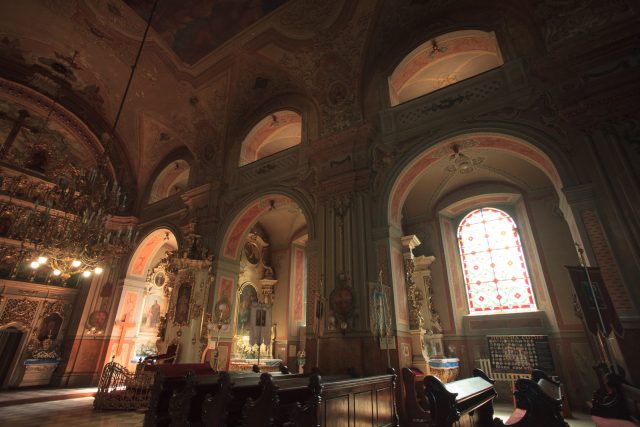
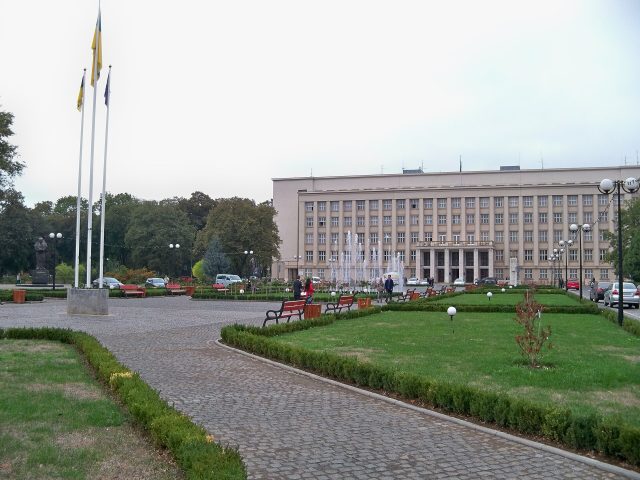
History isn’t locked away in museums. It’s in the streets, the buildings, the air. For centuries, empires passed through—Hungarian kings, Habsburg emperors, Czechoslovak officials, Soviet planners—each leaving traces. The 13th-century castle on the hill has seen sieges and treaties; its walls now crumble just enough to show their age. Below, the city mixes architectural styles: Austrian townhouses with wrought-iron balconies stand beside plain buildings from the Czechoslovak era. Street signs switch between languages, a reminder of shifting borders. Walking here feels like moving through a living archive, where every corner holds a piece of the past.
Uzhhorod isn’t frozen in time. It’s a city where old and new coexist. Korzo Street, paved with cobblestones worn smooth by footsteps, is lined with cafés serving pastries drenched in honey and strong coffee. A small market nearby sells local cheeses, smoked meats, and homemade wine. But step away from the center, and the city changes. In residential neighborhoods, children play on swings, laundry hangs on balconies, and the scent of grilled meat drifts from weekend barbecues. On the outskirts, vineyards stretch toward the hills, rows of vines marking a place where people still grow their own food, make their own wine, and live by the seasons. There’s no performance for tourists—just the real rhythm of a city.
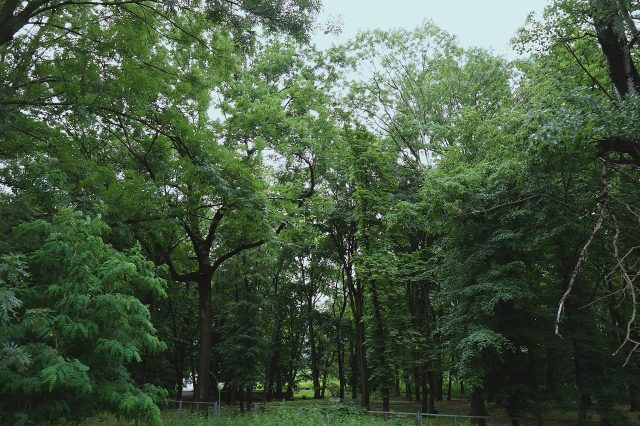
The Carpathians rise just beyond the city, their slopes covered in forests that shift with the seasons. A short drive leads to trails, waterfalls, or mountain meadows where wildflowers bloom in summer. The Uzh River, which gives the city its name, is its heart—locals stroll along its embankments in the evening, cyclists ride the paths, students sit with books and tea. In winter, ski resorts nearby draw crowds; in summer, the riverbanks fill with picnics, laughter, and the clink of glasses.
Uzhhorod isn’t special because of one landmark. It’s the way the city feels familiar, even if you’ve never been. You can wander narrow streets, step into a café where the barista switches between Ukrainian, Hungarian, and Russian, and order something local—*lecsó*, a pepper stew, or *perepichka*, a simple street food. There’s no rush. You could spend days watching the world go by or sitting by the river with coffee. Uzhhorod doesn’t try to impress. It doesn’t need to. It’s a place that has always been itself, no matter who’s in charge or what the world brings. And that’s why it’s worth finding.
See & Do
6 places

Places on the map
Marker colour follows the categoryClimate and weather
Detailed weather: Uzhhorod- Average temperature
- 11 °C
- Precipitation per year
- 809 mm
- Sunshine hours per day
- 6.3 h
Average air temperature
°C
-0
3
6
11
16
21
22
22
17
11
6
2
Jan
Feb
Mar
Apr
May
Jun
Jul
Aug
Sep
Oct
Nov
Dec


