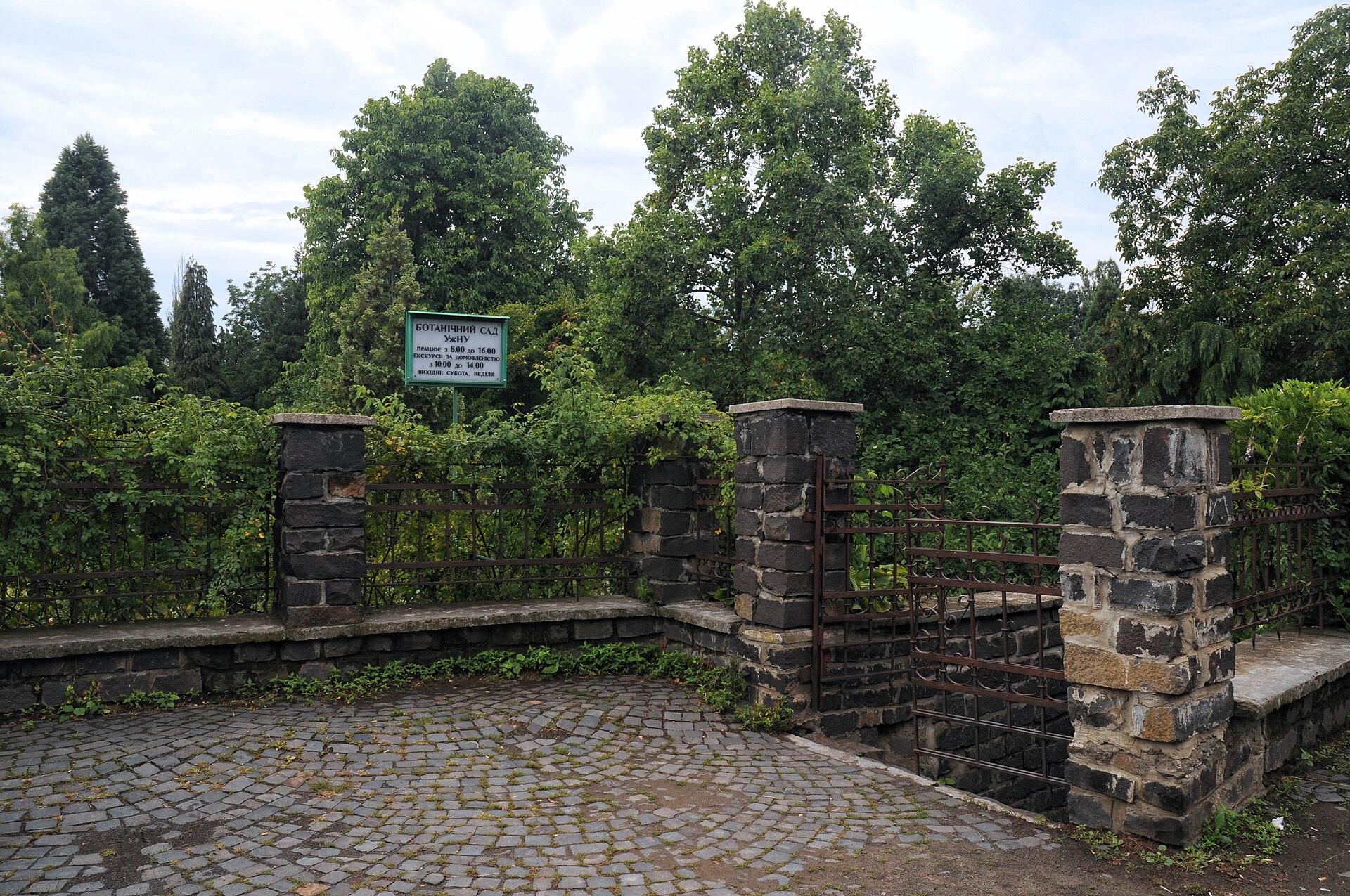
The botanical garden in Uzhhorod doesn’t announce itself. It sits quietly on the city’s edge, its entrance almost hidden by overgrown shrubs. Founded in the early 1900s, when this land still belonged to the Austro-Hungarian Empire, it carries traces of that time—straight paths, metal labels with Latin names, and an orderly design that feels out of place next to the untamed Carpathian foothills.
This isn’t just a garden. It’s part of Uzhhorod National University, a place where students study plant genetics and researchers track how species adapt to climate change. Yet it’s also where locals come to breathe. On weekends, you’ll see elderly couples walking slowly under the trees, while kids dart between flowerbeds. The garden isn’t large, but it’s packed—more than a thousand plant species, some from nearby forests, others from continents away.
The arboretum is where the garden feels most alive. Trees stretch upward, their leaves filtering sunlight into shifting patterns on the ground. Ancient oaks stand beside magnolias that bloom so heavily in spring their branches sag. The garden’s microclimate, shaped by the Uzh River and the shelter of surrounding hills, lets plants survive here that would die elsewhere. In autumn, the trees turn gold and crimson; in winter, frost crunches underfoot.
Few visitors notice the medicinal plant collection. The beds are arranged like an old apothecary’s garden, with small signs explaining each plant’s use—some for tea, others for tinctures, a few for remedies long forgotten. The knowledge here is mostly academic now, but the layout still feels like a nod to the region’s history of herbal healing.
The greenhouse is easy to miss. Step inside, and the air becomes thick with humidity. Palms and ferns press against the glass, their leaves dripping. Orchids bloom in corners, their colors unnaturally bright. It’s a different world—a tropical bubble in the middle of a temperate garden. Researchers use it to cultivate rare species, but visitors can wander through, touching the damp leaves and breathing in the scent of wet earth.
This garden doesn’t try to impress. There are no fountains or perfectly trimmed hedges. Some paths are paved; others are just dirt worn smooth by footsteps. Benches appear where someone once needed a place to sit, not where they’d look best in a photo. The garden feels like it grew this way, shaped by decades of use rather than design.
The location matters. Close enough to the city to reach on foot, but far enough that the noise fades. The Uzh River flows nearby, its sound mixing with the rustle of leaves. Beyond the garden, the Carpathian hills rise, green and soft, marking the edge of different landscapes and histories.
Nature creeps in everywhere. Weeds push through cracks in the pavement. Birds nest in the trees. Sometimes a fox or hedgehog wanders in from the woods. The gardeners don’t fight it—they work with it, letting the wildness stay even as they tend to the formal sections.
There’s no rush here. No list of must-see attractions, no grand story to follow. Just plants growing, seasons changing, and the quiet pleasure of a place that feels both planned and entirely natural. You might stay an hour or the whole afternoon. Either way, you’ll leave feeling like you’ve found something that wasn’t meant to be shared too widely.