Ocro
Ethiopia · 8 places
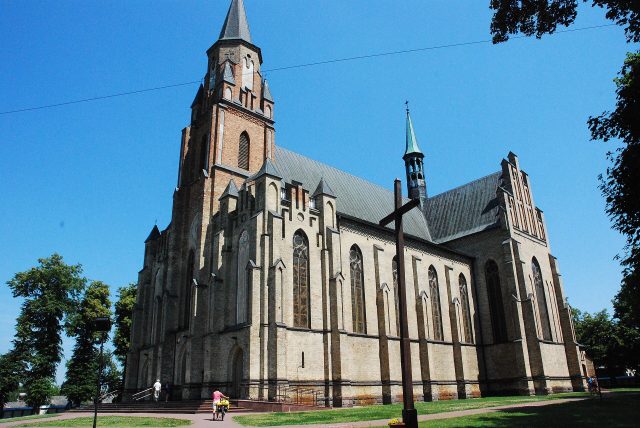
Photo: Evan Williams, CC BY-SA 4.0
Wukro feels like a place where time has paused, yet it still breathes with the quiet pulse of modern Ethiopia. Tucked away in the northern highlands of Tigray, it sits at the heart of a region where history and daily life intertwine so naturally that they become impossible to separate. There are no bustling boulevards or towering glass buildings here—just narrow stone streets winding between ancient churches carved into rock, and people who greet visitors with an ease that feels both genuine and unhurried. Wukro isn’t just a dot on a map; it’s an open-air museum where every corner holds a story, and the past isn’t something to be admired from a distance, but something that lives on in the present.
The town is best known for its rock-hewn churches, some of the oldest in Ethiopia, chiseled into the cliffs centuries ago. Their weathered facades and faded frescoes still stand as testament to the skill of the craftsmen who built them, passing down techniques through generations. Visiting these churches isn’t just about ticking off a sight—it’s a glimpse into a spiritual tradition that took root here long before Christianity reached Europe. Locals speak of them with pride, not as relics, but as living places of worship where the past and present coexist. The air inside is cool and still, the silence broken only by the murmur of prayers or the soft rustle of footsteps on stone.
But Wukro isn’t frozen in time. It moves at its own unhurried pace, a rhythm shaped by tradition and the land itself. The markets hum with activity as vendors arrange bolts of brightly dyed fabric, mounds of spices with sharp, earthy scents, and clay pots shaped by hands using methods unchanged for centuries. In small cafés, meals are simple but rich in flavor—spongy injera bread soaked in berbere-spiced stews, or coffee prepared in the slow, ceremonial way that turns a daily ritual into an event. Here, coffee isn’t just a drink; it’s a reason to gather, to talk, to linger. The process can take hours, and no one seems to mind.
Beyond the town, the landscape shifts into something stark and beautiful. Rocky hills stretch toward the horizon, dotted with sparse vegetation that clings to the slopes. The land feels ancient, untouched in a way that’s rare now. In nearby villages, life follows the same patterns it has for generations—farmers tilling the soil, herders guiding their livestock, families gathering around fires at dusk to share stories. Travelers who venture out here often return with the sense of having stepped into another era. There’s no tourist infrastructure, no crowds, just the quiet reality of a place that has existed long before the world took notice.
Wukro doesn’t try to impress. There are no luxury hotels or flashy attractions, and that’s precisely what makes it special. It offers itself as it is—unpolished, unhurried, and unapologetically itself. For those willing to slow down, to accept the rough edges and the occasional discomfort, it rewards with something far more valuable than convenience. A few days here might mean wandering the same streets locals have walked for centuries, listening to their stories, or watching the sunset turn the cliffs to gold. It’s not a place for those who want a quick escape, but for those who seek something deeper—a journey into history, into culture, into the quiet resilience of a town that has stood the test of time.
See & Do
8 places
Places on the map
Marker colour follows the categoryClimate and weather
Detailed weather: Ocro- Average temperature
- 18 °C
- Precipitation per year
- 603 mm
Average air temperature
°C
16
17
18
20
21
21
17
17
18
18
17
16
Jan
Feb
Mar
Apr
May
Jun
Jul
Aug
Sep
Oct
Nov
Dec