Santiago de Cuba
Cuba · 4 places
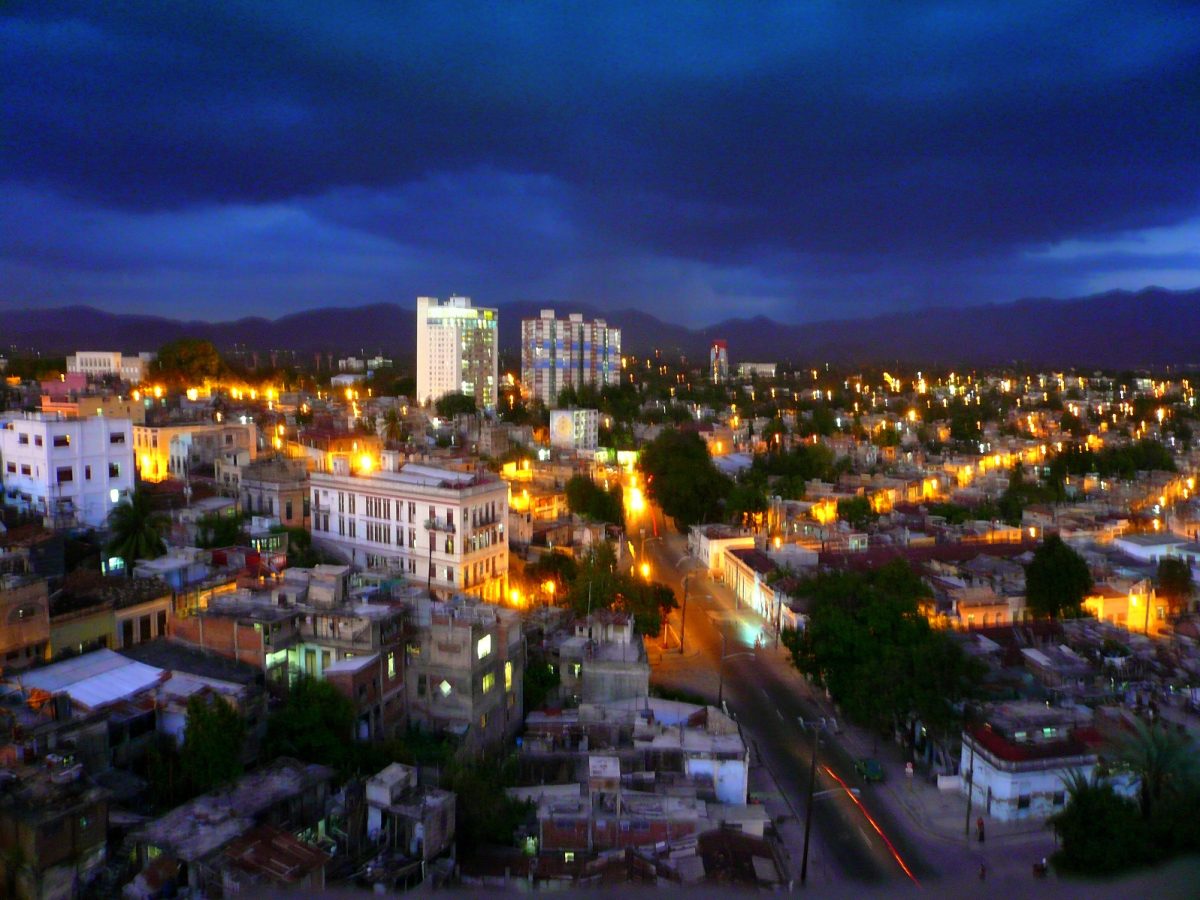
Photo: Alex Cano, CC BY-SA 4.0
Santiago de Cuba
Santiago de Cuba clings to the island’s southeastern hills. The air carries the weight of history, and the streets hum with music. Havana may be Cuba’s capital, but Santiago sets its own pace—louder, steeper, and shaped by the sea. Here, history isn’t just remembered; it’s lived. Colonial plazas mark where independence was declared. Balconies still overlook the spots where revolutionaries gathered. The city’s rhythm matches the waves against the bay and the drums that echo after dark.
History carved into stone
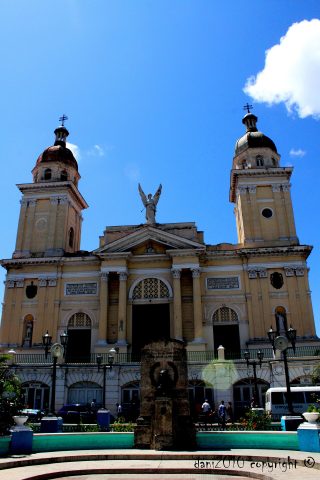
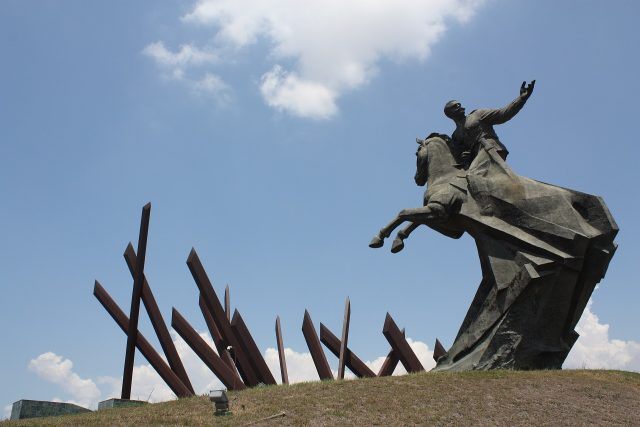
Founded by the Spanish in 1515, Santiago has stood through every major turn in Cuban history. The fight for independence began here. The first republic was proclaimed here. In 1959, Fidel Castro announced the revolution’s victory from a balcony in the city’s center. The old quarter’s narrow streets and pastel houses don’t feel like a museum. They feel lived-in. The Plaza de la Revolución, once packed with crowds chanting for change, now hosts concerts under the stars. The Castillo del Morro fortress overlooks the bay. Its walls have seen pirates and naval battles. Climb to the top at sunset. The view stretches to the Sierra Maestra, where rebels once hid.
Where music is the language
In Santiago, music isn’t background noise—it’s the way people speak. Son cubano was born here. Compay Segundo and the Buena Vista Social Club started here. After dark, bars fill with live bands. They play boleros, salsa, and whatever else the crowd demands. The streets have their own soundtrack. Performers spill out of doorways and onto plazas. The city’s biggest celebration comes in July: Carnival. For weeks, neighborhoods sew costumes and rehearse dances. When the parade arrives, the streets explode with color and sound. But music isn’t just for Carnival. It drifts from open windows, spills from cafés, and thumps from a speaker on a corner.
You’ll hear it before you see it.
The sea’s influence
The bay was once a port for Spanish galleons. Now, fishing boats and small ferries dot the water. From the malecón, the waterfront promenade, you can watch the sun set behind the Sierra Maestra. The same mountains where revolutionaries once hid. A short boat ride takes you to Cayo Granma. The island’s beaches are quiet. The sand feels untouched. Or you can walk along the water at dusk. The heat lifts, and the city’s lights begin to flicker across the bay.
The pace of life
Mornings start with the scent of fruit and spices at the market. Afternoons pass over coffee in shaded courtyards. Evenings fill with conversation. There’s no rush. Locals play dominoes in the park. They debate politics on street corners. They dance to old radio tunes. You might step into a small museum about the revolution. Or you might sit on a bench and watch the world go by. In Santiago, the past isn’t distant. It lingers in the air, mixed with the salt from the sea.
See & Do
All of them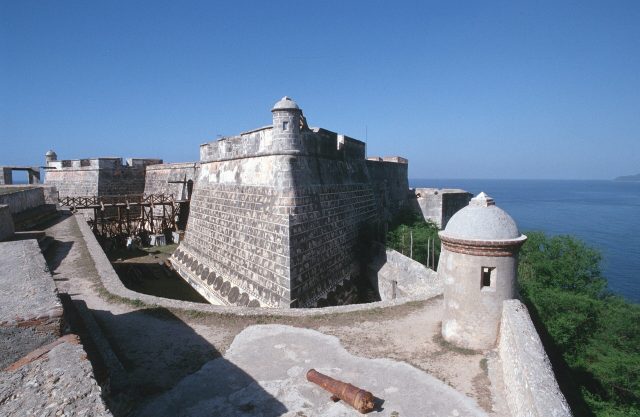
Eat & Drink
All of them
Places on the map
Marker colour follows the categoryClimate and weather
Detailed weather: Santiago de Cuba- Average temperature
- 27 °C
- Precipitation per year
- 1075 mm
Average air temperature
°C
25
26
26
27
28
29
29
29
29
28
27
26
Jan
Feb
Mar
Apr
May
Jun
Jul
Aug
Sep
Oct
Nov
Dec


