Céspedes Park is where Santiago de Cuba’s past and present intersect, a place where history isn’t just remembered but lived. This central square has been the city’s heartbeat for centuries, a stage for revolutions, daily routines, and everything in between. If you want to understand Santiago, this is where to begin—not as a spectator, but as someone stepping into the rhythm of the city itself.
The park takes its name from Carlos Manuel de Céspedes, the man who sparked Cuba’s first war for independence in 1868. Back then, the square was known as Plaza de Armas, a military parade ground where Spanish colonial authorities flexed their power. Today, the wide walkways and shaded benches tell a different story. In the center stands a monument to Céspedes, erected in the early 1900s, a quiet reminder of the man who once declared slaves free and called for rebellion. Around it, life moves at its own pace—vendors sell coconut water, children chase each other in games of tag, and old men argue over dominoes under the trees.
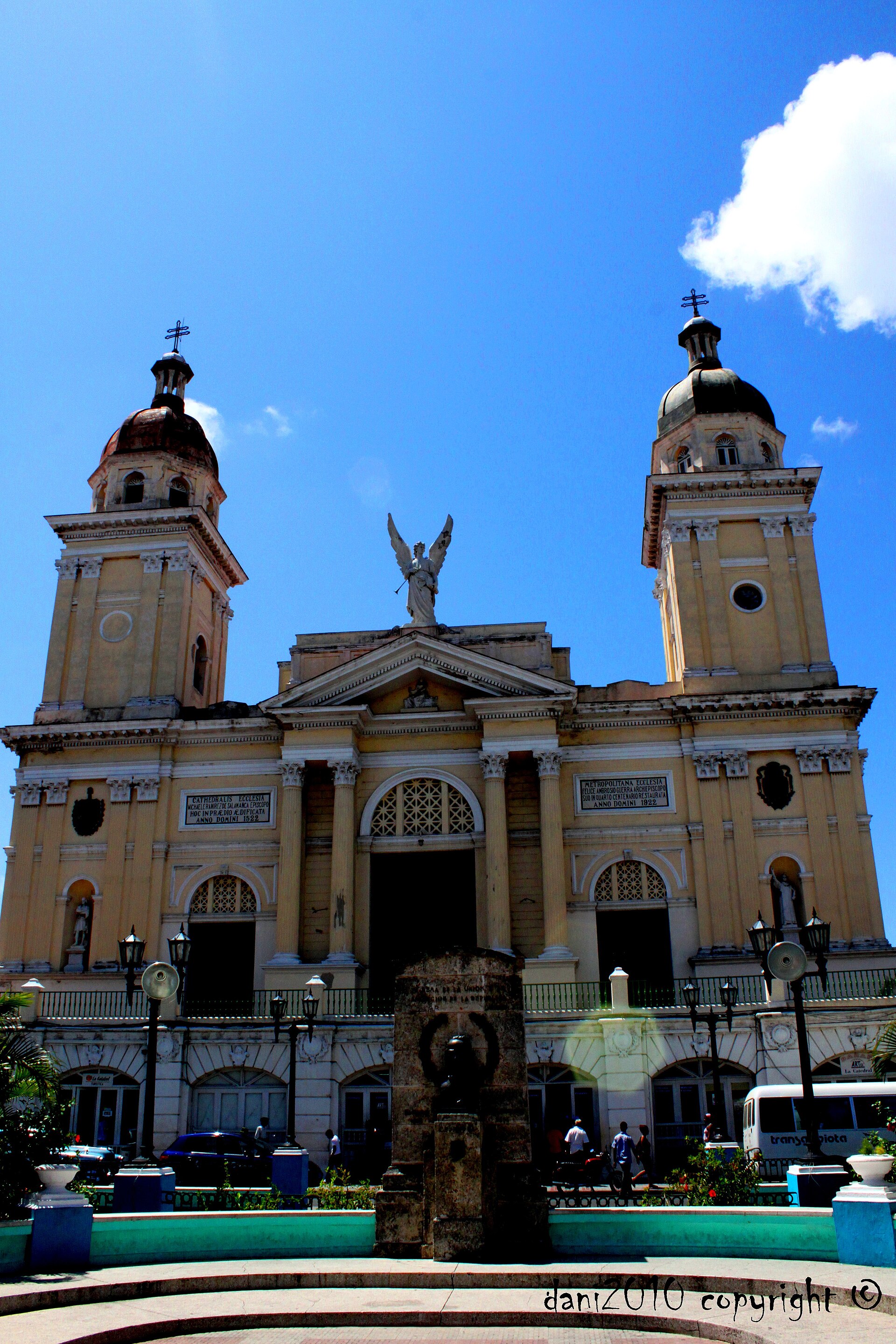
The buildings around the park are like pages from a history book, each with its own chapter. On the northern side, the Cathedral of Our Lady of the Assumption rises above the square. Built in the 18th century on the site of an earlier church, its white facade and twin bell towers have watched over Santiago for generations. Inside, the air is cool and still, the walls adorned with faded frescoes and a centuries-old organ that still plays during services. Just next door, the city hall occupies a building where Fidel Castro once announced the triumph of the revolution in 1959. The same balcony that once echoed with revolutionary speeches now overlooks the square where life carries on, unchanged in its essence.
To the east, the Casa de Velázquez is one of the oldest standing structures in Cuba. Built in the early 1500s as the residence of the island’s first Spanish governor, it’s a rare surviving example of early colonial architecture. Thick stone walls, a central courtyard with a fountain, and wooden balconies shaded by bougainvillea give a sense of how the city’s elite once lived. Now a museum, it displays the furniture, silverware, and everyday objects of the Spanish settlers—each piece a fragment of a time when Santiago was little more than a fortified outpost on the edge of the known world.
The park isn’t just a relic of the past; it’s where Santiago’s present unfolds. By day, students rush to classes, their laughter mixing with the clatter of domino tiles and the strum of guitars. Street musicians set up near the cathedral steps, playing son and bolero for loose change. As the sun dips lower, the square transforms. Couples gather to dance, their movements effortless to the rhythm of cha-cha-chá, while onlookers clap along. In the summer, the park hosts festivals celebrating Santiago’s African roots—drummers fill the air with complex beats, dancers in vibrant costumes move in hypnotic patterns, and the scent of roasted pork and plantains drifts from food stalls. It’s a reminder that this city, more than any other in Cuba, carries the legacy of the enslaved Africans who shaped its culture, its music, and its soul.
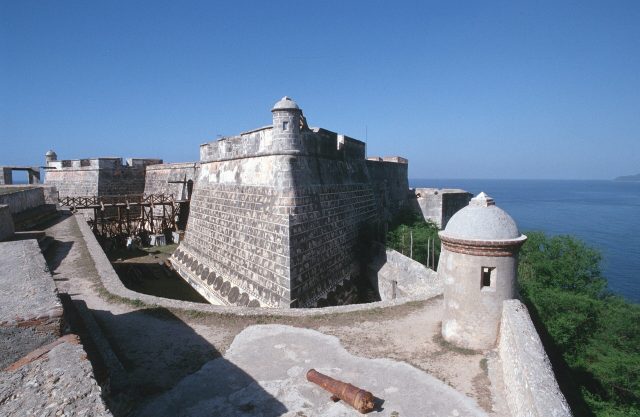
From certain spots in the park, you can glimpse the bay where ships once docked, their holds filled with human cargo and colonial goods. On a clear day, the fortress of El Morro stands sentinel on a rocky promontory, its walls weathered by centuries of salt and wind. At dusk, the sky over the harbor turns shades of orange and violet, and the old-fashioned streetlamps cast a warm glow over the square. It’s easy to imagine the same scene playing out a hundred years ago—only the music and the faces have changed.
What makes Céspedes Park special is its lack of pretense. Unlike Havana’s polished plazas or the manicured tourist hubs of Varadero, this is a place where life isn’t performed for visitors. Even in peak season, the square retains the unhurried pace of a provincial town. Locals come here to meet friends, read the newspaper, or simply watch the world go by. For travelers, it’s a rare chance to see Cuba as it is—flawed, vibrant, and unapologetically itself.
Look closely, and the details tell their own stories. The wrought-iron lampposts, installed during the colonial era, still light the walkways at night. Some of the mosaic benches bear intricate patterns in the mudéjar style, a nod to the Islamic influences that shaped Spanish architecture. Bullet marks from revolutionary battles scar the walls of certain buildings, a testament to the city’s role in Cuba’s fight for independence. In one corner, a statue of José Martí stands with his back to the cathedral, his gaze fixed on the horizon. Each element, no matter how small, is a thread in the larger tapestry of Santiago’s identity.
This isn’t a place you can rush through. To really experience Céspedes Park, you have to slow down—sit on a bench, listen to the music, strike up a conversation with a stranger. Maybe then, if you’re patient, Santiago will let you in on its secrets. The city doesn’t give them away easily, but for those willing to listen, it offers something far more valuable than a postcard-perfect view. It offers the chance to be part of the story, if only for a little while.