Bet Shemesh
Israel · 8 places
Photo: חיים בוזנ�, CC BY 2.5
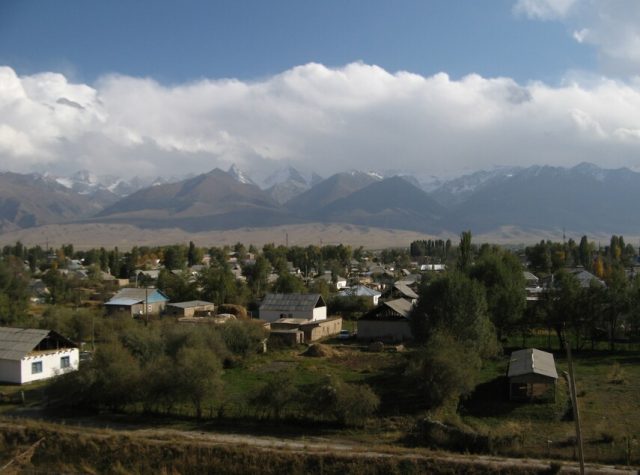
Nestled in the rolling hills of the Judean foothills, Beit Shemesh feels like a place where time moves at its own pace. Just a thirty-minute drive from Jerusalem, it sits quietly off the main tourist routes, offering a glimpse into everyday Israeli life rather than grand historical narratives. The city is surrounded by olive groves and vineyards, their silvery leaves and gnarled trunks catching the light as the sun dips behind the hills. The air carries the scent of wild herbs and freshly baked bread from neighborhood bakeries, a reminder that some things here haven’t changed in generations.
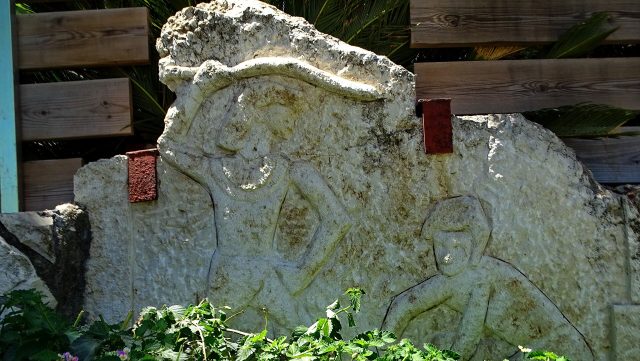
The layers of history beneath Beit Shemesh are as tangible as the modern life unfolding above them. Archaeological sites on the outskirts reveal remnants of ancient settlements, from biblical times to Roman roads and Byzantine ruins. The name itself, meaning "House of the Sun," hints at a past where this land may have been sacred to older traditions. Today, the city is a mix of the ordinary and the extraordinary—apartment blocks and shopping centers stand alongside narrow alleys where the rhythm of life slows down. Schoolchildren kick soccer balls in courtyards, while elderly residents sit outside their homes, watching the day pass with quiet familiarity.
Life in Beit Shemesh has a rhythm that feels both relaxed and purposeful. Mornings begin with the hum of the local market, where vendors sell produce so fresh it might have been picked that same morning. Evenings bring people together in small cafés, where conversations flow over strong coffee and plates of hummus. There’s a sense of community here, a throwback to an older way of living where neighbors know each other by name. Yet the city isn’t stuck in the past—new neighborhoods are rising, tech startups are taking root, and young families are choosing to settle here, drawn by the balance between nature and convenience.
The landscape around Beit Shemesh is one of its greatest charms. The Judean hills, with their winding trails and hidden valleys, are perfect for hiking or cycling. In the spring, the slopes burst into green, dotted with wildflowers and crisscrossed by streams. The area is home to nature reserves where rare birds nest and wild boars roam freely. Local wineries, though less famous than those in the Carmel region, produce wines that are just as rich and full of character. The seasons here are distinct—hot, dry summers give way to cool winters, when the hills turn lush and the air feels crisp.
This isn’t a place for those seeking luxury resorts or crowded attractions. Beit Shemesh offers something quieter, a chance to see how Israelis live when they’re not performing for visitors. There are no grand monuments or polished tourist sites, just the unfiltered reality of a city that has grown organically over centuries. It’s the kind of place that doesn’t reveal itself immediately but leaves a lasting impression—one of warmth, simplicity, and the quiet beauty of everyday life. For those willing to look beyond the obvious, it’s a reminder that sometimes the most authentic experiences are found where the map doesn’t lead.
See & Do
All of them
Places on the map
Marker colour follows the categoryClimate and weather
Detailed weather: Bet Shemesh- Average temperature
- 22 °C
- Precipitation per year
- 424 mm
Average air temperature
°C
14
14
17
20
24
26
28
29
28
25
20
16
Jan
Feb
Mar
Apr
May
Jun
Jul
Aug
Sep
Oct
Nov
Dec