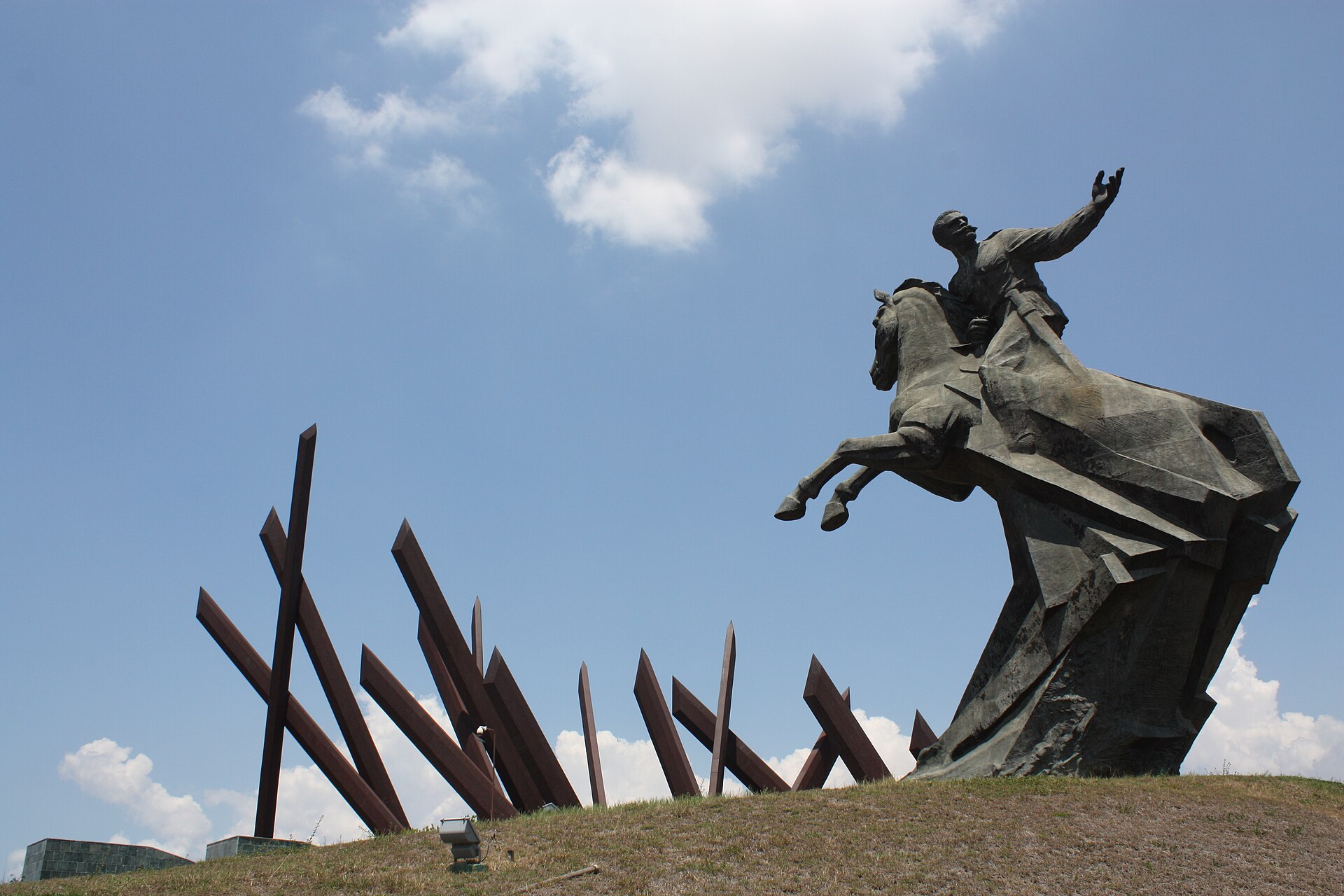
Revolution Square in Santiago de Cuba sits on a hill overlooking the city and the bay. It’s where Cuba’s past and present meet—not as a museum piece, but as something you can almost touch. The weight of history isn’t a burden here; it’s part of the air you breathe.
Santiago has always been Cuba’s rebellious heart. Unlike Havana, with its polished colonial facades, this city pulses with African rhythms, Creole traditions, and a stubborn defiance. The Sierra Maestra mountains nearby were where Fidel Castro and his followers launched their guerrilla campaign against Batista. Revolution Square didn’t just appear after that fight—it grew from it.
The square is stark. At its center, a towering white marble statue of José Martí, Cuba’s national hero, stands watch. Martí was a poet, philosopher, and revolutionary whose words still fuel the island’s identity. Nearby, a raised platform holds the memory of speeches that once shaped Cuba’s future. The ground is simple tile, and Cuban flags snap in the wind along the edges.
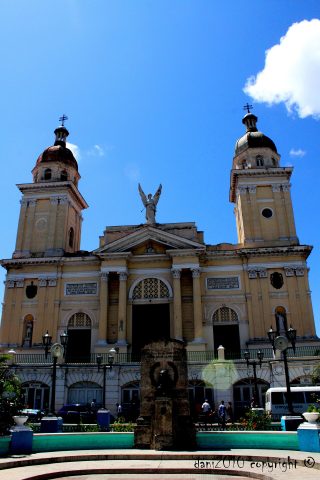
From here, the city sprawls below—colorful houses tumbling toward the bay, mountains cutting the horizon, church spires rising above the rooftops. On clear days, the view stretches far enough to make the city feel like a living history book. At dusk, locals gather on benches, chatting or just sitting. Visitors linger, trying to catch the last traces of revolutionary fervor in the cooling air.
January 1, 1959, was the day Fidel Castro stood here to declare victory. Since then, the square has drawn Cubans from across the island and travelers from abroad. It hosts rallies and parades, but even on quiet days, it doesn’t lose its meaning. For many Cubans, it’s proof that the fight for freedom wasn’t just words—it was real.
The Museum of the Revolution holds documents, photographs, and personal artifacts from the era. A nearby memorial honors those who died in the struggle. These places don’t just surround the square—they root it in Cuba’s memory.
Santiago is a city of contrasts, and Revolution Square is one of its sharpest. Pride in the past mixes with hopes for the future. Official stories coexist with everyday life. History here feels both grand and personal.
Locals treat the square with respect, but not awe. It’s where they meet, walk, or sit quietly. For them, it’s not just a monument—it’s part of their lives.
The square has become a stop for tourists, but it hasn’t turned into a theme park. No guides hawk their services, no stalls sell trinkets. The atmosphere stays unforced, almost like a neighborhood park. Maybe that’s because for Cubans, the revolution isn’t something to put on display—it’s who they are.
When you visit, don’t rush. This isn’t just another sightseeing stop. Stand here long enough, and you might feel Cuba’s pulse—its contradictions, its passions, its stubborn spirit. The wind carries more than just the sound of the city. It carries echoes of a time when everything still felt possible.