Weather overview
Oborishte District experiences a temperate climate with distinct seasonal changes. Winters here are chilly, while summers bring warm, pleasant weather. The transition months of spring and autumn offer mild conditions, making them ideal for exploring the area without extreme temperatures.
In Oborishte District, January is the coldest month, with average temperatures hovering around 0 °C, while July and August are the warmest, often reaching +22 °C or higher. The district sees a mix of dry and rainy periods, with June typically being the wettest month.
Temperature
Temperatures in Oborishte District vary significantly throughout the year. In winter, from December to February, daytime highs rarely exceed +5 °C, and nights can drop below -4 °C. Frost is common, especially in January, when the average low reaches -4.2 °C.
By March, the weather begins to warm, with temperatures rising to +6.3 °C on average. Spring progresses quickly, and by May, daytime highs can reach +20.9 °C. Summer in Oborishte District is warm, with July and August averaging +22.4 °C and +22.3 °C, respectively, though occasional heatwaves may push temperatures closer to +30 °C.
As September arrives, temperatures start to decline, averaging +17.6 °C, and by November, the district cools to +6.4 °C. The shift from autumn to winter is gradual, with December bringing temperatures back down to +2.1 °C on average.
| Month | Minimum | Maximum |
|---|---|---|
| January | -4.2 | 4.6 |
| February | -1.5 | 9.3 |
| March | 0.6 | 11.6 |
| April | 4.9 | 17.8 |
| May | 9.2 | 20.9 |
| June | 13.7 | 26.3 |
| July | 15.3 | 29.5 |
| August | 15 | 29.6 |
| September | 10.9 | 24.7 |
| October | 5.8 | 19.1 |
| November | 2 | 11.6 |
| December | -1.5 | 6.5 |
Precipitation
Rainfall in Oborishte District is spread throughout the year, though some months are noticeably wetter than others. June sees the highest precipitation, with an average of 87.4 mm, making it the rainiest month. Spring and autumn also bring moderate rainfall, with March, April, and May each receiving around 60 mm.
The driest period in Oborishte District occurs in September, with just 32.6 mm of rain. Winter months like February and December are relatively dry as well, with precipitation levels around 30-50 mm. Snow is possible in December, January, and February, though it rarely accumulates heavily.
Sunshine hours vary seasonally, with July and August offering the most daylight, averaging 10-11 hours per day. In contrast, December and January are the darkest months, with only 2-3 hours of sunshine daily.
| Month | Precipitation |
|---|---|
| January | 48.1 |
| February | 29.5 |
| March | 62.9 |
| April | 62.1 |
| May | 63.8 |
| June | 87.4 |
| July | 63.1 |
| August | 56.3 |
| September | 32.6 |
| October | 49.5 |
| November | 59.1 |
| December | 47.1 |
What to pack
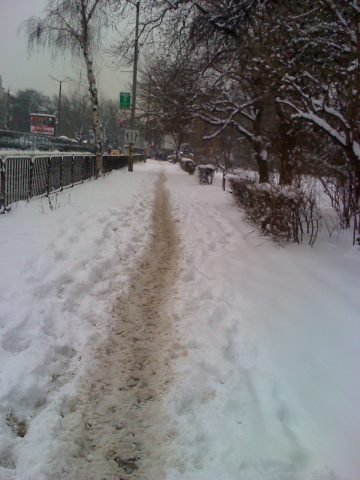
When visiting Oborishte District in winter, pack warm layers, including a heavy coat, gloves, and a hat, as temperatures can drop below freezing. Waterproof footwear is useful for snowy or slushy conditions, especially in January and February.
For spring and autumn, lightweight layers are ideal, as temperatures can shift from cool mornings to mild afternoons. A light jacket or sweater is useful for March and November, while April and October may require only a light outer layer. An umbrella or raincoat is recommended for May and June, when rainfall is more frequent.
In summer, Oborishte District is warm but rarely extreme, so breathable clothing, sunglasses, and sunscreen are essential. A light scarf or shawl can be handy for cooler evenings, particularly in September. Comfortable walking shoes are a must year-round, as the district’s terrain can be uneven.
| Month | Wind speed |
|---|---|
| January | 2.7 |
| February | 2.8 |
| March | — |
| April | 2.8 |
| May | 2.9 |
| June | 2.4 |
| July | 2.6 |
| August | 2.5 |
| September | 2.4 |
| October | 2.4 |
| November | 2.4 |
| December | 2.7 |