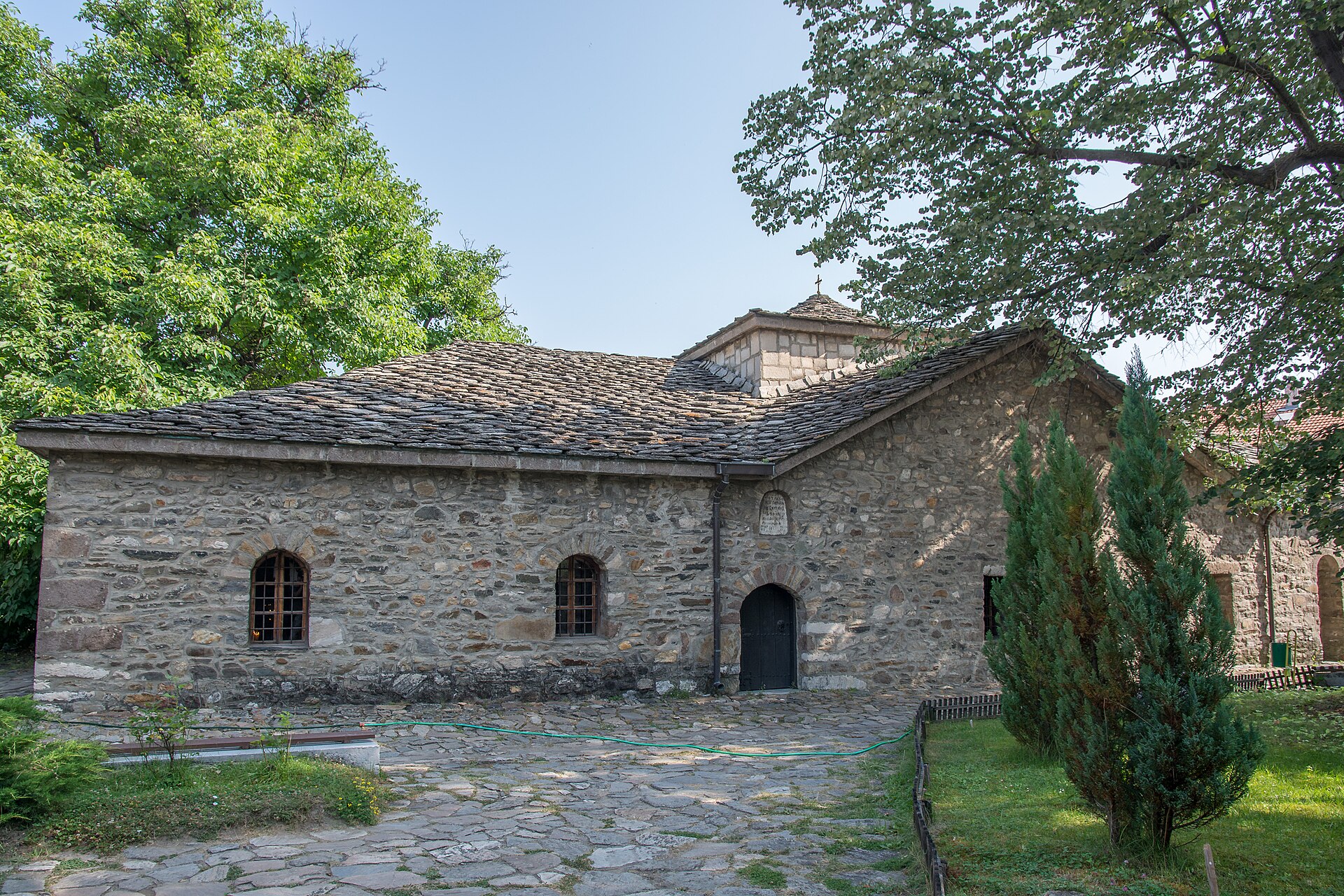
Saint Nedelya Church stands quietly in the heart of Sofia, a place where the past lingers in the stones and the air itself seems to carry whispers of centuries gone by. It occupies a spot on Liberation Square, where the bustle of a medieval marketplace once filled the streets and where today cars and pedestrians hurry past without a second glance. The church doesn’t demand attention—its modest facade and low arches blend into the cityscape, unassuming and unadorned. Yet that very simplicity is what makes it remarkable. There are no gilded domes or grand entrances here, just an unshakable sense of stillness that settles over you the moment you step inside.
The origins of Saint Nedelya stretch back to the 10th century, when a small wooden chapel first stood on this site. Over time, it was rebuilt, reinforced, and reshaped, but its purpose never wavered—to serve as a place of prayer and refuge for the people of Sofia. By the 14th century, during the Second Bulgarian Empire, the chapel had been replaced by a stone structure, its walls bearing witness to the city’s growth and struggles. Even under Ottoman rule, when restrictions on Christian worship were imposed, the church endured, though it was briefly renamed Saint George before reclaiming its original name. That resilience is woven into its very foundations.
The architecture of Saint Nedelya is a testament to Bulgaria’s layered history. Built in the style typical of medieval Orthodox churches, its thick walls and narrow windows were designed as much for defense as for illumination. Inside, the space is divided into three naves, their vaulted ceilings supported by sturdy columns. The walls are adorned with frescoes that span different eras—some depicting saints in the solemn Byzantine tradition, others reflecting the more vibrant hues of the Bulgarian National Revival. Time has darkened many of these paintings, but their power remains undiminished, each brushstroke a fragment of a story long untold.
The church has not been spared from violence. In 1856, an explosion orchestrated by Ottoman authorities nearly destroyed it, killing over a hundred worshippers gathered for service. The attack was part of a broader crackdown on Bulgarian nationalism, and the devastation left a deep scar on the city. After Bulgaria regained its independence, the church was rebuilt, this time with a taller dome and elements of the Neo-Byzantine style. A memorial plaque near the entrance now honors those who perished that day, a quiet reminder of the cost of faith and freedom.
Stepping inside Saint Nedelya feels like entering another world. The light filters softly through the narrow windows, casting a warm glow over the ancient icons. The scent of beeswax and incense lingers in the air, mingling with the faint murmur of prayers and the creak of wooden pews. The iconostasis, intricately carved, stands as a silent guardian of tradition, while a well-worn copy of the Gospels rests on the lectern, its pages yellowed with age. Many visitors pause before the icon of Saint Nedelya, believed to hold miraculous powers. Locals speak of its ability to offer solace in times of hardship, and it’s not uncommon to see hands reaching out in quiet reverence.
This church is more than just a historical monument; it’s a living chronicle of Bulgaria’s past. It has witnessed the rise and fall of empires, the turmoil of wars, and the slow march of progress. Kings and peasants alike have knelt within its walls, seeking comfort in sorrow and giving thanks in joy. Even now, as Sofia evolves into a modern capital, Saint Nedelya remains a sanctuary of calm, a place where the weight of history feels tangible yet unobtrusive.
The church welcomes everyone—worshippers, travelers, and the simply curious. Services are held regularly, and on feast days, the space fills with voices raised in song and prayer. Easter is particularly moving, when the nighttime liturgy draws crowds, and the square outside glows with the light of countless candles. On ordinary days, the atmosphere is one of quiet reflection, a chance to sit on a wooden bench and study the frescoes or simply let the stillness settle over you.
Saint Nedelya doesn’t try to impress with grandeur. Its strength lies in its authenticity, in the way it has endured without fanfare. There’s no excess here, just faith, time, and memory woven into every stone. That’s perhaps why it continues to resonate with so many—whether they come seeking spiritual solace or a connection to the past. In a city that never stops changing, this church remains a steadfast presence, a reminder that some things, no matter how quietly, never fade.