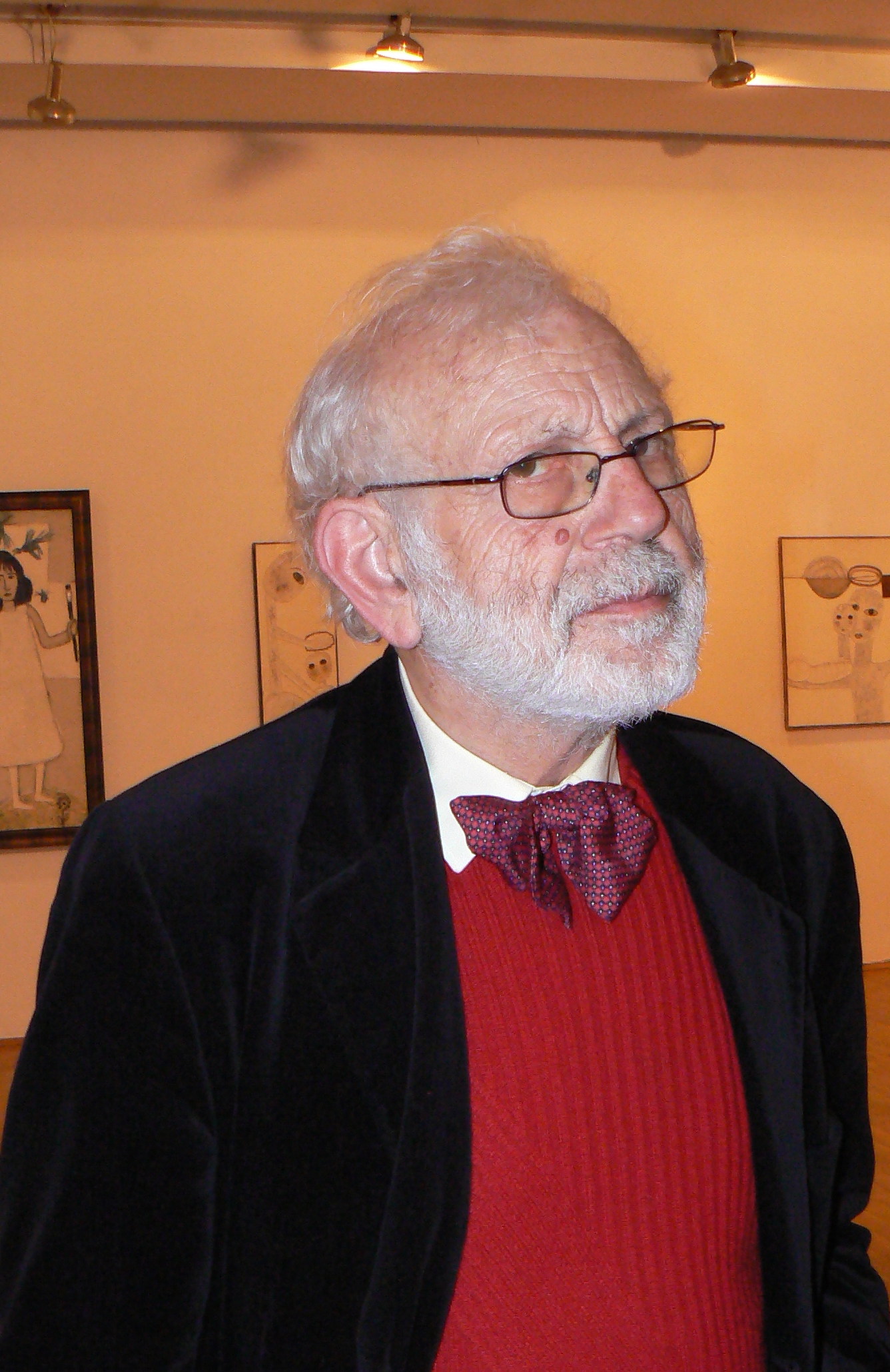
The Sofia City Art Gallery is one of those quiet places where art feels like a natural part of the city’s rhythm. Tucked away in the heart of Bulgaria’s capital, it doesn’t just display collections—it tells the story of Bulgarian art through the decades, without the grandeur of larger museums. Instead, there’s an intimacy here, a sense that each visit might reveal something new, something personal.
The building itself is a piece of history. Constructed in the early 20th century as an administrative residence, its neoclassical façade still carries the elegance of that era, with subtle touches of Art Nouveau. Inside, high ceilings and spacious halls filled with soft, natural light create an atmosphere where art seems to breathe. The ornate moldings and large windows hint at the building’s past life, when it housed officials making decisions that shaped the city. Now, those same walls hold a different kind of weight—the quiet presence of creativity.
The gallery’s collection spans from the late 19th century to the present day, offering more than just a chronological display of paintings. It’s a visual record of Bulgaria’s artistic evolution, beginning with the pioneers of national painting. Vladimir Dimitrov-Maistora’s vibrant canvases, for instance, capture the essence of rural life with such warmth that they feel like windows into another time. His use of bold colors and peasant motifs makes the past feel immediate, as if the viewer could step into the scene and hear the rustle of wheat fields.
The first half of the 20th century brought dramatic changes to Bulgaria, and the art of that period reflects the turbulence of the era. Painters like Zlatyu Boyadzhiev explored new techniques, playing with light and form to convey both the beauty and the tension of their time. His portraits and still lifes are studies in subtlety, inviting viewers to linger over details that might otherwise go unnoticed. There’s a quiet intensity in his work, a sense that every brushstroke carries meaning.
Modern art holds its own in the gallery, with contemporary artists tackling themes from urban landscapes to abstract expressions of inner worlds. The space isn’t just a repository of the past—it’s a living entity, constantly evolving. Temporary exhibitions often feature emerging artists, creating a dialogue between tradition and innovation. These shows sometimes include lectures or workshops, where visitors can engage directly with creators, ask questions, or even try their hand at painting.
Beyond the art, the gallery offers a respite from the city’s hustle. There are no rigid rules here, no forced tours—just the freedom to wander, to pause in front of a painting that catches the eye. On quiet weekdays, the halls feel especially peaceful. A bench in one of the rooms becomes a perfect spot to sit, to lose track of time while the city hums outside.
For first-time visitors to Sofia, the gallery might come as a surprise. It doesn’t have the fame of the National Art Gallery or the tourist crowds of the city center, and that’s part of its charm. Here, art isn’t just something to observe—it’s a way to understand Bulgaria, to see what moves its artists, what themes resonate with them. The past and present coexist in these halls, creating an atmosphere that’s hard to define but impossible to forget. It’s the kind of place where art doesn’t just hang on the walls—it lives.