Weather overview
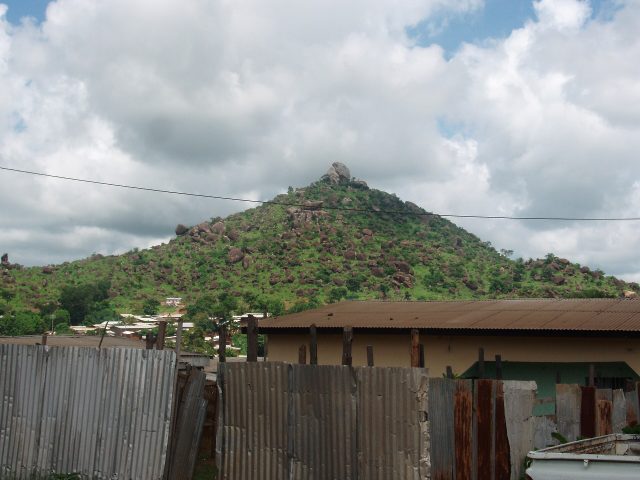
Нгаундере sits on the Adamawa Plateau, where the climate shifts between dry and rainy periods without extreme cold or heat. The year begins with warm, dry days in January and February, when the air is crisp and nights can feel cool. By March, temperatures rise slightly, but the real change comes in April, as the first rains arrive and the landscape turns lush.
From June to September, Нгаундере experiences its wettest months, with frequent showers and overcast skies. The rain eases in October, giving way to a drier stretch from November to December, when the air clears and the days grow warmer again. This cycle makes Нгаундере a place where timing your visit can shape your experience—whether you prefer dry trails or the vibrancy of the rainy season.
Temperature
Daytime temperatures in Нгаундере stay mild to warm year-round, rarely straying far from +22 °C to +33 °C. The hottest months are February and March, when highs can reach +32.7 °C and +33.5 °C, though nights cool down to around +14.4 °C and +17.7 °C. By April, the heat softens slightly, and from May onward, the mercury settles into a gentler range of +22 °C to +30 °C.
Even in the cooler months, like July and August, Нгаундере rarely feels chilly. Daytime highs hover around +26.6 °C to +26.8 °C, while nights dip to +17.5 °C. The most noticeable shift comes in December and January, when early mornings can be as cool as +11.3 °C, though the sun quickly warms the air to a comfortable +30 °C by midday. This steady warmth makes Нгаундере a place where layers are useful, but heavy clothing is rarely needed.
| Month | Minimum | Maximum |
|---|---|---|
| January | 11.3 | 31.2 |
| February | 14.4 | 32.7 |
| March | 17.7 | 33.5 |
| April | 18.6 | 31.6 |
| May | 18.7 | 30 |
| June | 17.8 | 28 |
| July | 17.5 | 26.8 |
| August | 17.6 | 26.6 |
| September | 17.3 | 27.7 |
| October | 16.7 | 28.5 |
| November | 14.8 | 30.1 |
| December | 11.5 | 30.3 |
Precipitation
Нгаундере has two distinct seasons when it comes to rain. The dry period runs from November to March, with February and December seeing almost no rainfall. January and March bring light showers, but the real shift happens in April, when the first heavy rains arrive, often exceeding 90 mm.
The peak of the rainy season spans June to September, with August and September being the wettest months, each receiving over 240 mm of rain. By October, the downpours ease, though the ground stays damp until the dry season returns in November. If you’re visiting Нгаундере during the wet months, expect frequent showers and lush, green surroundings—just pack accordingly.
| Month | Precipitation |
|---|---|
| January | 86.8 |
| February | 0 |
| March | 34.6 |
| April | 91.1 |
| May | 147.7 |
| June | 194.4 |
| July | 245.3 |
| August | 241 |
| September | 268.6 |
| October | 148.4 |
| November | 11.8 |
| December | 0 |
What to pack
For a trip to Нгаундере in the dry season, light, breathable clothing is ideal. From November to March, days are warm, so pack shorts, T-shirts, and a light jacket for cooler evenings, especially in January when nights can drop to +11.3 °C. A hat and sunglasses will help with the strong sun, while comfortable walking shoes are useful for exploring the plateau’s terrain.
If you’re visiting during the rainy season, from April to October, waterproof gear becomes essential. A lightweight rain jacket or poncho will keep you dry during sudden downpours, and quick-drying clothes are a good idea. Closed-toe shoes or waterproof boots will help navigate muddy paths, while a small umbrella can be handy for lighter showers. Even in the rain, temperatures stay mild, so layers are still the way to go.
| Month | Wind speed |
|---|---|
| January | 2.9 |
| February | 3 |
| March | 2.4 |
| April | 2.1 |
| May | 2.1 |
| June | 1.6 |
| July | 1.6 |
| August | 1.7 |
| September | 1.5 |
| October | 1.8 |
| November | 2.3 |
| December | 2.4 |