Ngaoundéré University is one of those places that rarely makes it into travel guides, yet it offers a quiet glimpse into modern Cameroon. Established in 1993, it emerged as an educational hub in the country’s northern regions, where higher education was once scarce. The university was built to address a need in a part of Cameroon that had long been overlooked.
The city of Ngaoundéré sits on the Adamawa Plateau, a highland area where trade routes and cultures have intersected for centuries. The university reflects this history, drawing students from across Cameroon and neighboring countries. The campus mirrors the region: unpretentious, practical, and connected to the land. Buildings of red brick and concrete serve their purpose—learning. Pathways wind between lecture halls, laboratories, and dormitories, shaded by acacia and palm trees. During the rainy season, the campus turns green; in the dry months, dust settles like a reminder of the nearby savanna.
The university stands out for its programs in agriculture, veterinary science, and the hard sciences. The Adamawa region is Cameroon’s agricultural heartland, where coffee, cotton, peanuts, and livestock shape daily life. Students come here for an education they can apply in rural farming communities or local clinics. The humanities also thrive, particularly linguistics and history. Cameroon is home to over two hundred languages, and the university reflects that diversity. In classrooms and hallways, you’ll hear French, English, Fulfulde, Hausa, and other local tongues.
Life on campus is lively. Students bring their traditions, music, and food, creating a microcosm of Cameroon’s cultural patchwork. In the evenings, when the heat eases, guitars or drums drift from the dormitories. Debates about politics or philosophy spill out of common areas. The cafeterias serve local dishes—fu fu with peanut sauce, fried plantains, or cornmeal porridge. Occasionally, student-run markets sell handmade crafts, snacks, or secondhand books.
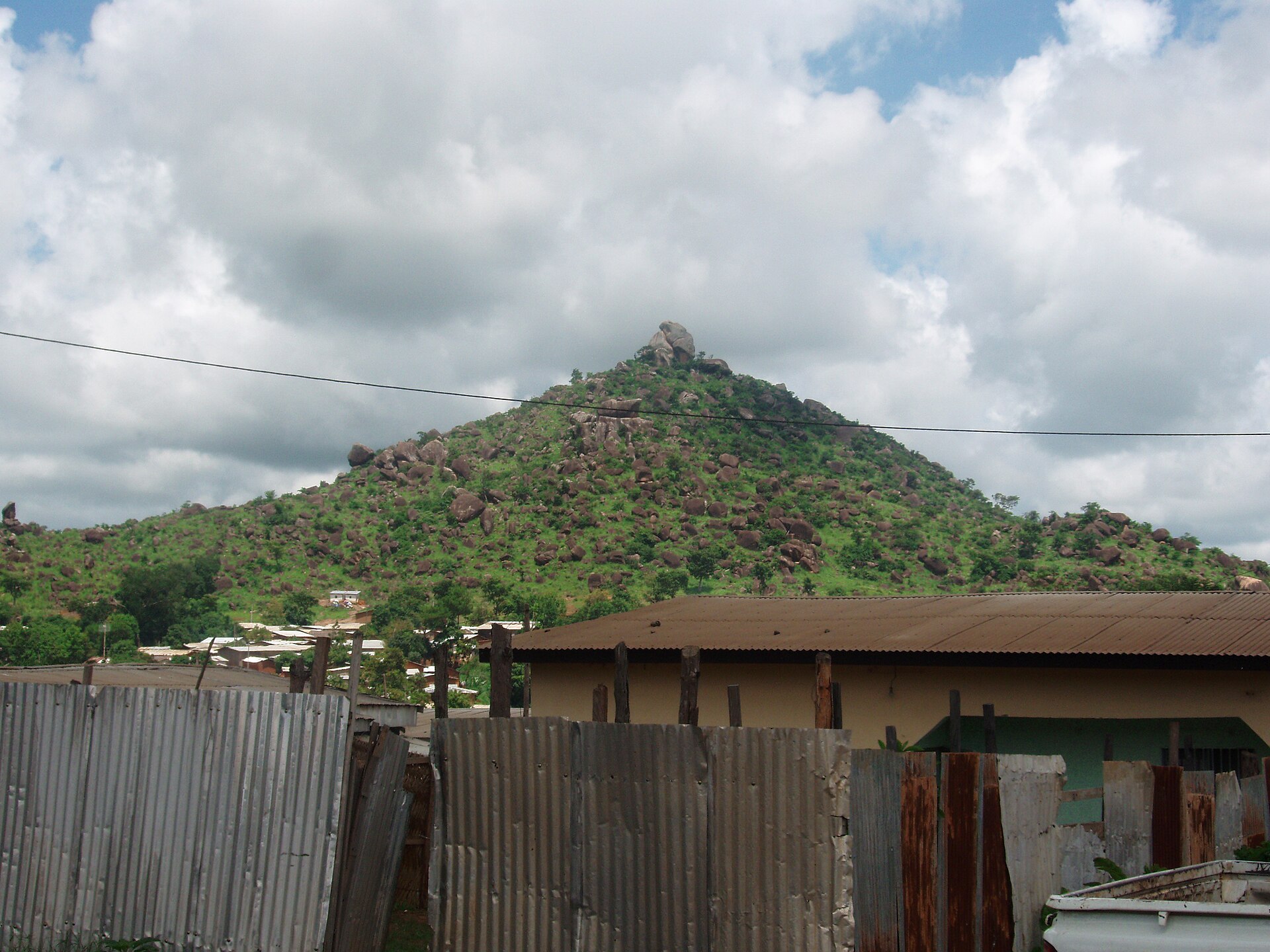
The university plays a key role in Ngaoundéré’s cultural life. It hosts conferences, literary events, and music festivals, often open to the public. On weekends, students explore the city—visiting markets, talking with vendors, or climbing the hill of Lamido for a view of the landscape. Ngaoundéré is a modest but energetic place, where motorbikes weave through streets and children play soccer in dusty lots. The university adds youthful energy, making the city feel like more than just a stop along the way.
The story of Ngaoundéré University is tied to Cameroon’s post-independence journey. After 1960, the country faced a shortage of skilled professionals, and the north was particularly underserved. The university was created to address that imbalance, offering opportunities to students who might otherwise have none. Today, it attracts students from Chad, the Central African Republic, and Nigeria, many of whom see it as their only path to higher education. For them, the university is a lifeline.
The atmosphere on campus is serious but not stiff. Lectures are held in French and English, but real conversations happen in courtyards, over meals, or during impromptu gatherings. Professors know their students by name. There’s a sense of shared purpose—education here isn’t just about degrees but about building something larger. Challenges exist: outdated equipment, unreliable electricity, bureaucratic hurdles. Yet there’s resilience. Students organize volunteer projects, professors secure research grants, and the local community supports the university because they see its value.
For travelers, the university might not be an obvious destination, but it’s a place that lingers. It’s not a tourist attraction but a living space where the future of a country takes shape. Walking through the campus, you sense ambition and struggle, dreams and reality coexisting. Here, students prepare to build roads, heal the sick, teach the next generation, and tell their own stories. Ngaoundéré University is as much a part of Cameroon as its rivers, its markets, or its music—a place where past, present, and future come together.