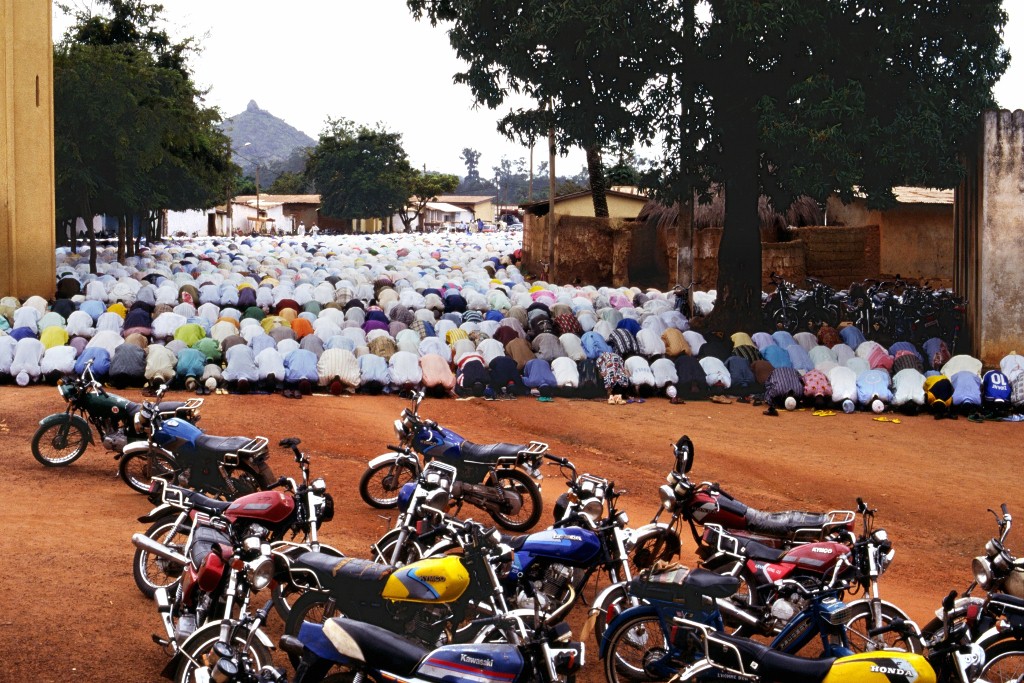
Ngaoundéré Mountain rises above the city of the same name in northern Cameroon. It has watched over the region for generations. Its slopes, covered in grass and scattered trees, curve upward into a smooth, rounded summit. The locals call it "the mountain"—its presence is too obvious for description. Here, it isn’t just a landmark; it’s part of daily life, a backdrop to the stories and struggles of the people below.
Ngaoundéré isn’t the tallest peak in Cameroon, but its significance goes beyond elevation. For centuries, it has guided travelers, herders, and traders moving through the savanna. Its slopes shelter livestock, especially during the dry season when the plains turn brittle. Higher up, moisture lingers, keeping patches of grass green even as the land around it withers. This draws cattle, antelope, monkeys, and sometimes elephants—all seeking the same water and shade humans have relied on for generations.
The city of Ngaoundéré exists because of the mountain. Founded in the 19th century by the Fulani, who settled here, the town grew at its base. The mountain’s fertile land and position along trade routes made it a natural choice. Its slopes offered protection and a vantage point over the plains. Over time, Ngaoundéré became a commercial and administrative hub, but its connection to the mountain never faded. Even now, as the city expands, the peak remains a silent anchor.
The architecture of Ngaoundéré shows this history. In the older quarters, Fulani homes built from clay and wood stand near newer buildings. Their flat roofs and carved doors contrast with concrete and glass. The mountain looms over them, unchanged. Here, the past isn’t in museums—it’s in how people build, move, and think.
Climbing Ngaoundéré is a quiet walk. Paths worn by herders and locals wind upward through shrubs and small groves. The ascent isn’t steep. At the top, the view is simple: savanna stretching toward the horizon. On clear days, distant mountain ranges appear faintly. There are no signs or platforms—just open space, wind through the grass, and the cry of a circling bird.
For those who live here, the mountain holds stories. Some say it’s home to a protective spirit. Others laugh at the tales, but the reverence remains. Even those who leave often return—whether to escape urban noise or mark a milestone. It’s where the sacred and the ordinary blur.
Beyond the city, villages follow the rhythm of the seasons. Farming and herding still follow old traditions. Evenings are spent around fires, sharing stories or listening to the flames. The mountain is always there, visible or not. It’s part of the conversation, a silent participant in daily life.
Visitors notice how the mountain blends into the city. Unlike towering peaks, Ngaoundéré feels approachable. It doesn’t demand attention; it simply exists. There’s comfort in its presence, a sense of continuity in a changing world.
The mountain asks nothing of those who come. No tickets, no guides, no rigid plans. Just walk its slopes, sit on the grass, and look out over the savanna. No crowds, no noise—just space, silence, and the scent of earth on the breeze. That’s the draw of Ngaoundéré: it doesn’t try to impress. It’s enough that it’s there, waiting for anyone who wants to see the world from a little higher up.