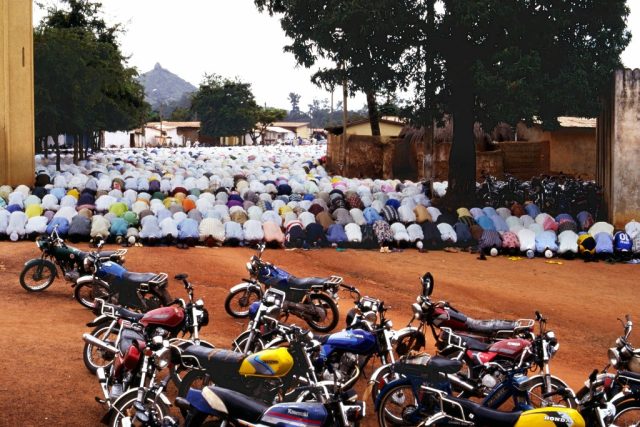
Ngaoundéré is one of those places that rarely makes it onto the standard tourist trail, yet it offers something far more compelling—a chance to experience the heartbeat of Central Africa. At its core stands the Lamido Palace, a place where history isn’t confined to museums but lives in the everyday. This isn’t just a building; it’s a symbol of authority, tradition, and continuity that has shaped the rhythm of the Adamawa region for generations.
The palace dates back to the late 19th century, when Ngaoundéré became the capital of the Fulbe emirate, one of the most influential Muslim states in the area. The title of Lamido, passed down through generations, belongs to the ruler, and each new leader has left their mark on the palace’s appearance. The architecture here doesn’t follow rigid European conventions. Instead, it’s a blend of practicality and artistry—thick clay walls adorned with geometric patterns, wide verandas supported by wooden pillars, and inner courtyards where decisions once shaped the lives of thousands. It feels more like a fortress than a ceremonial residence, and that makes sense; power here has always been more than symbolic.
Today, the palace remains the active residence of the Lamido, which shapes how both locals and visitors perceive it. For the Fulbe and other communities in the region, the Lamido isn’t just a historical figure but a living authority, someone people turn to for guidance and support. Access to the interior isn’t always granted, but even the exterior tells a story. The towering gates, carved with intricate designs, open into a world where the old and new coexist—traditional huts stand beside satellite dishes, and the latest cars park in the courtyard.
One of the most significant spaces inside is the reception hall, where the Lamido meets guests and holds important ceremonies. The room is steeped in history, filled with ancestral weapons, old carpets, and photographs of past rulers. Even if you don’t witness an official audience, the atmosphere is palpable—the quiet of the inner courtyards, the respect locals show for the place, the way children play near the walls while still acknowledging the authority that resides within.
Ngaoundéré itself is a city of contrasts. Perched on the Adamawa Plateau, where savanna gives way to mountain forests, it’s a place where tradition and modernity collide. The Lamido Palace sits at the heart of these contrasts. Here, elders in traditional robes discuss matters with officials in suits, women in vibrant fabrics trade at the market at the foot of the hill, and herders drive cattle past ancient walls. It’s a reminder that time here moves to its own rhythm.
If you’re lucky, you might witness one of the traditional festivals still held at the palace. The annual Lamido Festival, for instance, draws chiefs from across Adamawa to honor the ruler and celebrate their unity. On such days, the palace becomes the center of attention—drums echo, ancient dances unfold, and the air fills with the scent of grilled meat and spices. This isn’t a performance for tourists; it’s a living tradition where every gesture and sound carries meaning.
Ngaoundéré isn’t a destination for beachgoers or shoppers. It moves to a different beat, and the Lamido Palace is its metronome. It serves as a reminder that Africa is more than just wildlife and exotic landscapes—it’s a place of deep, centuries-old traditions that continue to shape the lives of millions. Even a short visit leaves a lasting impression, a sense of having touched something authentic.
For those who do visit, it’s important to remember that the palace isn’t just a tourist attraction; it’s an active symbol of authority. There’s no behaving like you would in a museum—no unauthorized photos, no wandering into restricted areas, no loud conversations. Locals treat the palace with respect, and visitors should do the same. In return, you’ll see Africa not through the lens of stereotypes but as it truly is—complex, alive, and full of unexpected discoveries.