Lake Miri
Malaysia · 7 places
Photo: mailer_diablo, CC BY-SA 3.0
Miri is one of those places that doesn’t try to impress you—it just is. Tucked away in northern Sarawak, it lacks the skyscrapers of Kuala Lumpur or the postcard-perfect beaches of Langkawi, but that’s precisely what makes it interesting. The city grew from humble beginnings, its fortunes tied to the oil boom of the early 20th century when Malaysia’s first oil well gushed to life here. That legacy still lingers, though today Miri feels more like a gateway to something wilder. It’s the kind of place where you can swap the usual tourist trail for the raw, untamed edges of Borneo.
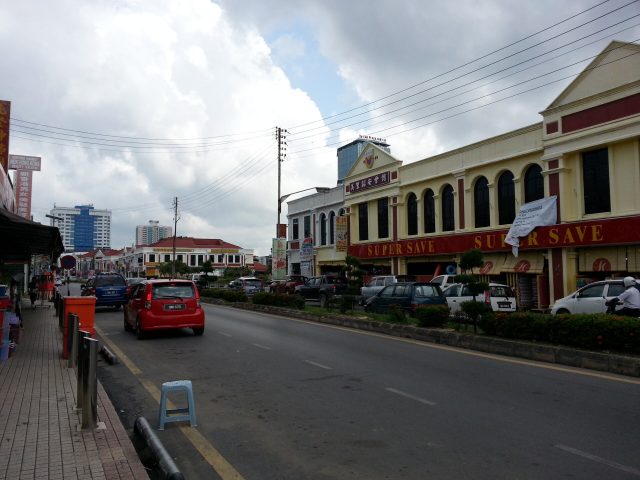
Life here moves at its own pace. The streets are wide, the buildings low, and the people unhurried. Colonial-era shophouses stand alongside modern cafes and shopping malls, a quiet blend of old and new. The waterfront is the heart of the city, where fishing boats bob in the harbor and the sea breeze carries the scent of grilled satay and stir-fried noodles from the evening stalls. Locals gather here after work, sharing food and stories under strings of bare bulbs, the kind of scene that feels far removed from the polished veneer of bigger cities.
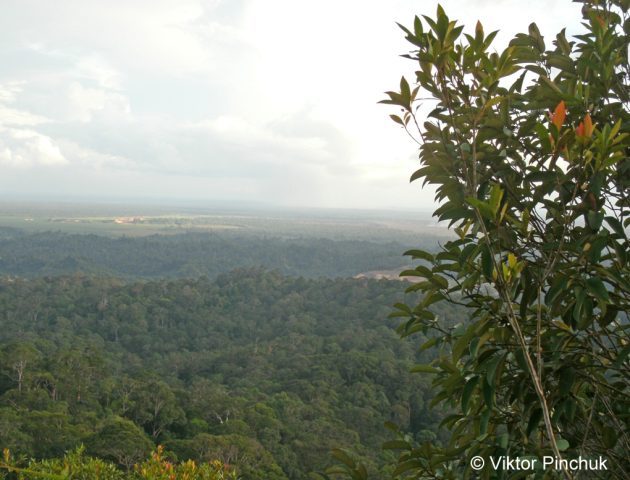
What really draws people to Miri, though, isn’t the city itself but what lies beyond it. Just an hour’s drive away, Mulu National Park unfolds in all its dramatic glory—limestone pinnacles piercing the sky, caves so vast they swallow the light, and jungles that hum with life. Nearby, Niah National Park offers a glimpse into Borneo’s ancient past, with cave paintings and archaeological sites that whisper of the island’s earliest inhabitants. For those who prefer their adventures a little tamer, the beaches at Lutong and Marudi provide a quiet escape, where the sand is soft and the water warm enough to linger in for hours.
Miri is also a place where cultures collide and coexist. Indigenous Iban, Chinese, Malay, and Melanau communities all call this city home, each leaving their mark on the local way of life. You can taste it in the food—spicy Iban curries, delicate Chinese dim sum, and fragrant Malay nasi lemak all jostle for attention on the same menu. The markets are a sensory overload in the best way, piled high with tropical fruits, pungent spices, and handcrafted goods. The best time to visit is early morning, when the air is still cool and the vendors are just setting up, their stalls coming alive with chatter and the clatter of woks.
There’s no grand spectacle here, no must-see landmarks clamoring for your attention. Instead, Miri offers something rarer: a chance to see Borneo as it really is. No crowds, no tourist traps, just the quiet rhythm of a city that serves as a jumping-off point for the wilds of Sarawak. It’s easy to linger here for a few days, wandering the streets, striking up conversations with locals, and realizing that the real Malaysia isn’t just about resorts and shopping malls. Sometimes, the most memorable places are the ones that don’t try too hard to be anything at all.
See & Do
7 places
Places on the map
Marker colour follows the categoryClimate and weather
Detailed weather: Lake Miri- Average temperature
- 27 °C
- Precipitation per year
- 2801 mm
Average air temperature
°C
27
27
27
28
28
28
28
28
27
27
27
27
Jan
Feb
Mar
Apr
May
Jun
Jul
Aug
Sep
Oct
Nov
Dec