Niah is one of those rare places where the past doesn’t just feel alive—it lingers in the air, in the damp stone underfoot, in the way sunlight filters through the cave’s ancient mouth. Tucked deep in the rainforests of Sarawak on the island of Borneo, these caves have drawn archaeologists, adventurers, and curious travelers for decades, not just for their natural grandeur but for the stories they hold. Human presence here stretches back tens of thousands of years, making Niah one of the most significant sites for understanding early human migration in Southeast Asia.
The caves themselves are a labyrinth of limestone, carved by time and water into vast chambers and narrow passages. The most famous of these is the Great Cave, a cavern so large it could swallow a cathedral. Its walls shimmer with mineral deposits in hues of ochre, rust, and pale green, earning it the nickname "Painted Cave." Inside, the air is cool and still, thick with the scent of wet earth. Stalactites hang like frozen waterfalls, while stalagmites rise from the floor in slow, patient growth. But it’s not just the geology that captivates—it’s the traces of those who came before. Scattered among the rocks are stone tools, fragments of pottery, and even the faint outlines of ancient paintings, their meanings lost to time. The most remarkable discovery, however, was a human skull estimated to be 40,000 years old, a silent witness to the dawn of human settlement in this part of the world.
Reaching Niah is part of the experience. The journey begins in the coastal town of Miri, where the road winds inland through rolling hills and dense jungle. After about an hour and a half, the river appears—a wide, muddy ribbon cutting through the greenery. A short boat ride across brings you to the other side, where the real trek begins. The path to the caves is a narrow trail through the rainforest, shaded by towering trees and alive with the calls of birds and the rustle of unseen creatures. The walk takes about an hour, but the anticipation builds with every step. There are no crowds here, no tour buses, just the quiet rhythm of the forest and the occasional glimpse of a monkey swinging through the branches.
When you finally stand at the entrance of the Great Cave, it’s hard not to feel a sense of awe. The opening is massive, a natural archway framing a space so vast it seems to swallow the light. Inside, the cave is a world of its own—cool, dim, and humming with echoes. Sunlight spills through gaps in the ceiling, illuminating patches of moss and the occasional bat darting overhead. The deeper you go, the more the cave reveals: small side chambers, hidden alcoves, and the faint remains of ancient hearths where early humans once gathered. Some visitors bring flashlights to explore further, but even without venturing too far, the sense of history is palpable.
Niah isn’t just an archaeological site; it’s a living landscape where tradition and nature still intertwine. The caves lie within the ancestral lands of the Iban people, one of Borneo’s indigenous groups. For generations, they’ve lived in stilted wooden longhouses along the river, fishing, hunting, and foraging in the surrounding forests. To them, Niah is more than a tourist attraction—it’s a sacred place, steeped in legends and revered as the home of ancestral spirits. Some Iban guides offer tours, sharing stories of their people’s connection to the caves, from rituals performed at the entrance to the belief that the spirits of the dead still linger in the shadows. Their presence adds another layer to the experience, a reminder that this place is still very much alive in the present.
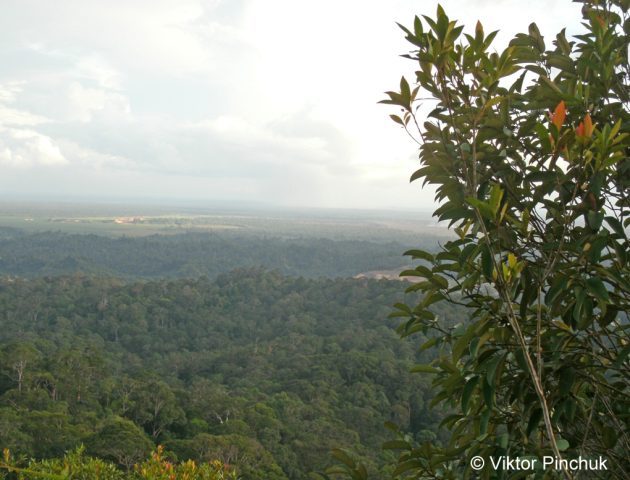
What makes Niah special is its raw, unpolished nature. There are no paved walkways or gift shops here, no signs pointing out every little detail. The path to the caves is uneven, the forest untamed, and the experience unscripted. It’s a place for those willing to trade comfort for authenticity, where the reward isn’t just a photo opportunity but a deeper connection to the land and its history. The jungle around the caves is just as much a part of the journey as the caves themselves. Towering dipterocarp trees stretch toward the sky, their roots tangled in the earth, while hornbills and macaques move through the canopy above. At dusk, the forest comes alive with the sounds of cicadas and frogs, a chorus that has echoed here for millennia.
Visiting Niah requires a bit of effort, but that’s part of what makes it memorable. There’s no rushing through this place—it demands time, attention, and a willingness to step off the beaten path. The journey back is just as important as the arrival, whether it’s the boat ride across the river at sunset or the quiet drive through the jungle as the day fades. For those who make the trip, Niah offers something rare: a chance to stand in a place where human history runs deep, where the past isn’t just preserved in museums but woven into the very fabric of the land. It’s not just a destination; it’s a reminder of how small we are in the grand sweep of time.