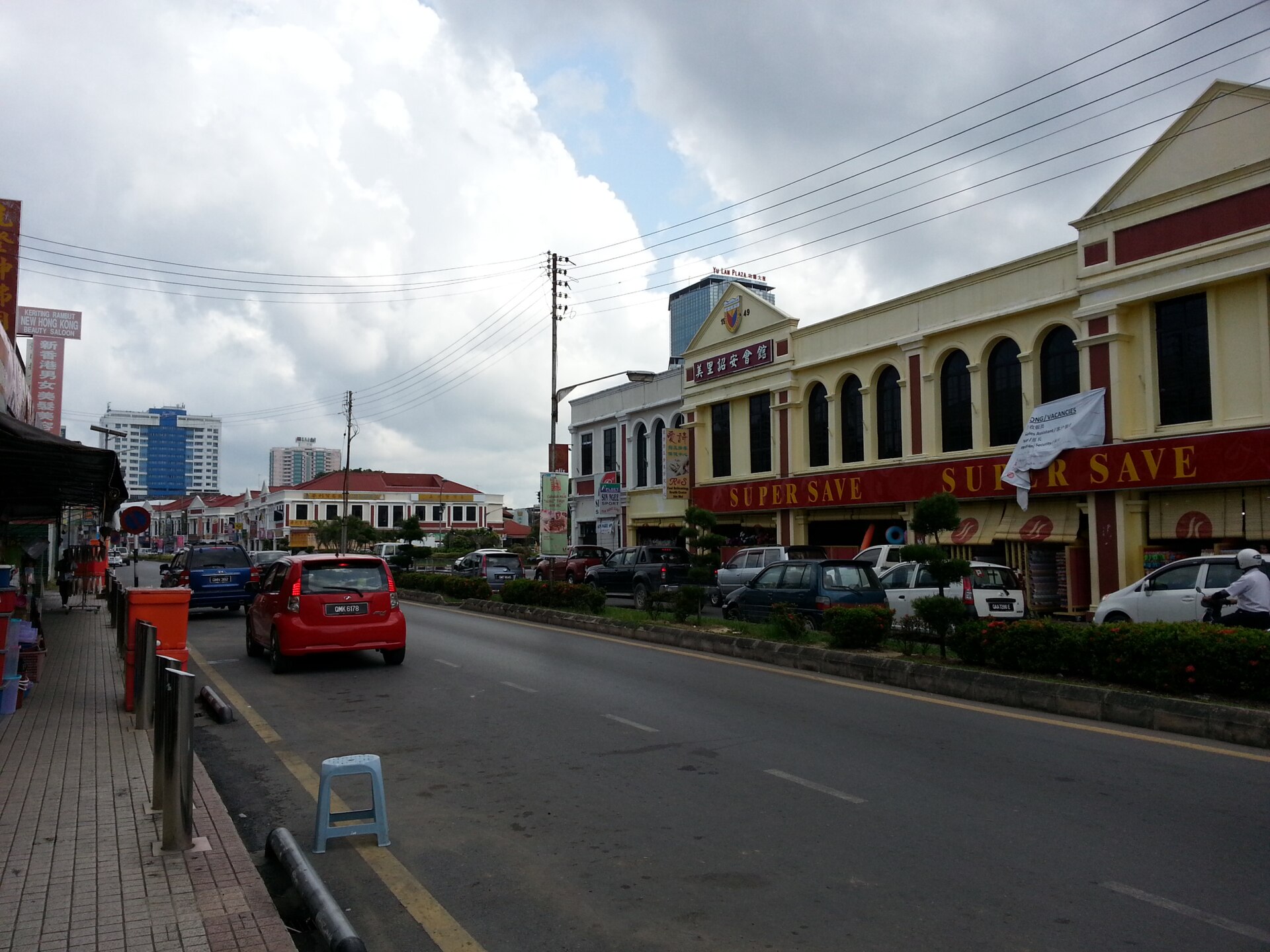
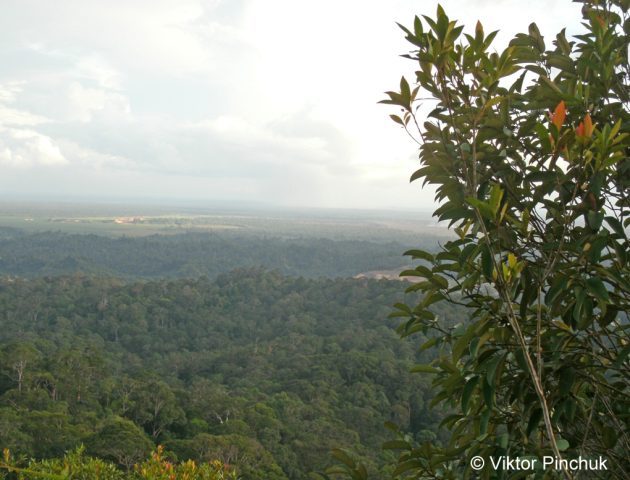
Perched on Canada Hill, just outside the center of Miri, the Petroleum Museum tells a story bigger than its size. It’s about how a riverside settlement on the edge of Borneo became a city, how an industry reshaped a landscape, and how lives changed after oil was discovered here in 1910. The museum sits in a reconstruction of Malaysia’s first oil well, built after British geologists working for Shell struck oil in this spot.
The exhibits start with the early days of exploration. In the early 1900s, this corner of Sarawak was one of the first places in Southeast Asia where oil was found in commercial quantities. Old photographs, faded maps, and handwritten reports show that moment. You see the first drilling rigs, workers in heavy boots and canvas overalls, and the makeshift offices where deals were struck. The black-and-white images of Miri from that era show unpaved streets, stilt houses, and derricks rising above the jungle. Progress arrived fast and changed everything.
The building is part of the story. The original well was dismantled, but the museum was rebuilt to match its design, using archival blueprints and photographs. Inside, the space recreates life on a drilling site in the early 20th century. Scale models of rigs, tools workers used, and a small screening room with short documentaries loop continuously. The focus isn’t just on discovery—it’s on the details. How did the pumps work? What were the challenges of drilling in a tropical climate? How did engineers handle heat, rain, and isolation? The exhibits don’t hide the difficulties, and that makes the achievements feel real.
The museum also looks at the human side of the oil boom. Before the first well, Miri was a quiet place where the Iban and other indigenous groups lived off the land and the river. Oil brought workers from across the British Empire: British engineers, Indian laborers, Chinese merchants. The town grew quickly, with new neighborhoods, schools, and hospitals appearing almost overnight. Everyday objects tell this story: a school uniform from the 1920s, a doctor’s medical bag, a family’s ration book. Personal stories—letters, diaries, interviews—show how the oil industry became part of people’s lives.
One section covers the later years of Malaysia’s oil industry. After onshore fields were depleted, companies like Shell turned to offshore drilling. The museum explains this shift with interactive displays showing how modern rigs operate in deep water. Models of floating platforms, diagrams of underwater pipelines, and a simulator let you try managing a drilling operation. For those curious about the bigger picture, there’s information on how oil revenues shaped Malaysia’s economy, funding infrastructure and education. The industry’s impact goes far beyond the wells.
A newer section looks at today’s challenges. Displays explore climate change, renewable energy, and efforts to restore ecosystems damaged by drilling. The museum doesn’t defend or condemn oil—it helps you understand its role in the past, present, and future.
Step outside after the exhibits. Behind the museum, a small park holds a working oil well—one of the few still operating here. It’s not a tourist attraction, just a quiet sign that the industry continues. The well is surrounded by trees, the hum of machinery blending into the jungle. Standing there, you can almost see this hill a hundred years ago, when the first derricks went up and Miri’s future began.
The Petroleum Museum doesn’t rely on flashy displays. It tells a story of change—how oil transformed Miri and how the people who built the city shaped it, one decision at a time.