- Home
- El Salvador
- Metapan

Metapan
El Salvador · 8 places
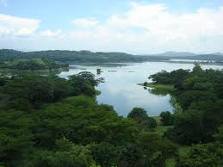
Photo: Sapfan at English Wikipedia, Public domain
Metapán sits where El Salvador’s western highlands soften into tropical lowlands, a quiet town where the pace of life hasn’t quickened since colonial days. There are no crowded plazas or tour buses here, just narrow streets lined with red-tiled houses, small cafés serving coffee from nearby plantations, and markets where vendors sell handwoven baskets and ripe mangoes. The town feels suspended in time, not because it’s forgotten, but because it moves to its own rhythm—one where each day carries weight, and no one rushes to fill the hours.
Straddling a valley between rolling hills, Metapán has long been a crossroads, a place where travelers pause on the highway between El Salvador and Guatemala. Trucks and buses rumble through, but the town itself remains unhurried. Beyond its edges, coffee and sugarcane fields stretch toward the horizon, while farther out, nature reserves shelter rare birds and dense forests. The landscape is wild but welcoming—waterfalls tumble into hidden pools, caves wind beneath the earth, and trails invite those willing to step off the main road.
Metapán doesn’t have grand cathedrals or world-class museums, and that’s precisely what makes it special. The heart of the town is its central square, anchored by an 18th-century church and a fountain where locals gather in the evenings. Children kick soccer balls across the pavement, elders play dominoes under the trees, and on weekends, the square transforms into a market. Stalls offer pupusas stuffed with cheese or beans, bowls of iguana soup, and caramelized plantains—simple food that tastes like home.
Just beyond the town limits, nature takes over. El Imposible National Park, one of the country’s largest reserves, begins almost at the edge of Metapán. Trails weave through thick forests to waterfalls and lookout points with sweeping views of the valleys below. Monkeys chatter in the trees, toucans flash their bright beaks, and if you’re lucky—or unlucky, depending on your perspective—you might glimpse a jaguar’s shadow slipping between the leaves. For those who prefer a slower pace, the park’s rivers offer quiet spots to sit and watch the light dance on the water.
Life in Metapán moves to the beat of small, joyful celebrations. Festivals honoring patron saints or harvests bring the town to life with music, dancing, and the scent of grilled meat and fresh bread. Streets fill with color as houses are strung with lights, stages go up in the square, and even the most reserved residents let themselves get swept up in the moment. These are the days when the town’s quiet charm gives way to something louder, brighter—proof that even in a place where time seems to stand still, there’s always room for celebration.
Metapán doesn’t try to be a tourist destination, and that’s its greatest appeal. It’s a place where you can experience El Salvador as it is, not as it’s packaged for visitors. There are no luxury resorts, just small guesthouses with courtyards where breakfast is served with fresh fruit and warm bread. The town doesn’t dazzle with spectacle, but it lingers in memory—the way the morning light slants across the plaza, the smell of coffee drifting from a café, the sound of children laughing. It’s a reminder that some places don’t need to impress; they just need to be themselves.
See & Do
8 places
Places on the map
Marker colour follows the categoryClimate and weather
Detailed weather: Metapan- Average temperature
- 25 °C
- Precipitation per year
- 1459 mm
Average air temperature
°C
24
25
26
26
26
24
25
25
25
24
24
24
Jan
Feb
Mar
Apr
May
Jun
Jul
Aug
Sep
Oct
Nov
Dec


