Puente de Oro is one of those places in El Salvador that feels suspended in time, a quiet witness to eras long past. Tucked away near the town of Metapán in the country’s northern highlands, it sits where the rugged mountains soften into rolling hills, and rivers move lazily toward the Pacific. The bridge itself is modest in size, but its history and the role it once played in the region give it a presence that lingers. Built during the colonial period, it was part of a vital network connecting the interior to the coast, though today it serves more as a reminder of the past than an active thoroughfare. That shift in purpose is part of what makes it compelling—it no longer bears the weight of trade or travel, yet it endures, a silent marker of how things used to be.
The architecture is classic of Spanish colonial engineering, with sturdy stone piers supporting arches that once carried carts and pack animals. The volcanic rock used in its construction was quarried locally, and though the bridge isn’t grand, there’s a quiet precision to its design. Every stone seems placed with the intention of lasting centuries, and in many ways, it has. Time has left its mark—some stones are darkened, a few cracks trace their way across the surface—but these imperfections only deepen its authenticity. It’s the kind of structure that doesn’t demand attention but rewards those who pause to notice its details.
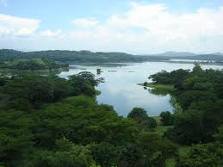
The landscape around Puente de Oro is just as striking as the bridge itself. Metapán and its surroundings are coffee country, where hillsides are blanketed in deep green and the air carries the scent of freshly harvested beans. The river beneath the bridge is narrow but strong, swelling during the rainy season before receding in the dry months to reveal a bed of smooth stones. Locals sometimes come here to fish, rest, or simply sit by the water, though the place never feels crowded. Even when the river runs low, the scenery retains a quiet beauty, framed by the same hills that have watched over this spot for generations.
The bridge is deeply tied to the region’s history. During colonial times, Metapán was a key stop on a major trade route, where indigo, coffee, and other goods bound for Europe passed through. Puente de Oro was a critical link in that chain, ensuring safe passage across the river. As roads improved and transportation evolved, its practical importance faded, but it remained a symbol of an era when trade was at the mercy of geography. Today, its past significance is mostly preserved in old records and the stories of longtime residents, though the bridge itself stands as a tangible connection to that time.
For travelers who find their way here, the bridge offers a moment of reflection. There are no tour groups, no souvenir stands, just the sound of leaves rustling and water flowing over rocks. It’s easy to imagine the merchants who once crossed here with their goods, or the farmers who later used it to bring their harvest to market. Places like this remind you that history isn’t always confined to museums—sometimes it’s etched into the stone beneath your feet or carried in the breeze. The absence of crowds only makes the experience more intimate, as if the bridge is sharing its stories with those who take the time to listen.
Metapán itself is a small town where life moves at a slower pace. The streets are narrow, the houses low and tiled, and the central square is the kind of place where people gather naturally, whether for conversation or a cup of coffee. The coffee here is strong and locally grown, often prepared using traditional methods. If you’re lucky, you might stumble upon a small market selling fresh fruit, spices, or handmade crafts—small details that add to the town’s unhurried charm. It’s the kind of place where you can sit in a café and watch the day unfold without hurry, a contrast to the bustle of larger cities.
Puente de Oro isn’t the kind of destination that promises grand adventures or dramatic sights. Instead, it appeals to those who appreciate history, architecture, or the quiet beauty of a place that has simply endured. There’s no pretension here, no attempt to impress—just the steady presence of an old bridge that has outlasted the world that once relied on it. In a way, that’s its greatest strength. It doesn’t need to be anything more than what it is, and it welcomes visitors not as tourists, but as temporary guests in a story much larger than themselves. For those who wander this far, it offers a rare chance to step outside of time, if only for a little while.