Montecristo National Park is one of those rare places where the air feels different—cooler, crisper, as if the forest itself breathes more deeply. Straddling the borders of El Salvador, Guatemala, and Honduras, this protected area is a remnant of the once-vast cloud forests that blanketed Central America. The Salvadoran side, near the town of Metapán, offers a quieter, less trodden path into its heart, where the trees grow so tall they seem to hold up the sky. The park isn’t just a patch of wilderness; it’s a living archive of a landscape that has survived centuries of change, from pre-Columbian civilizations to modern conservation efforts.
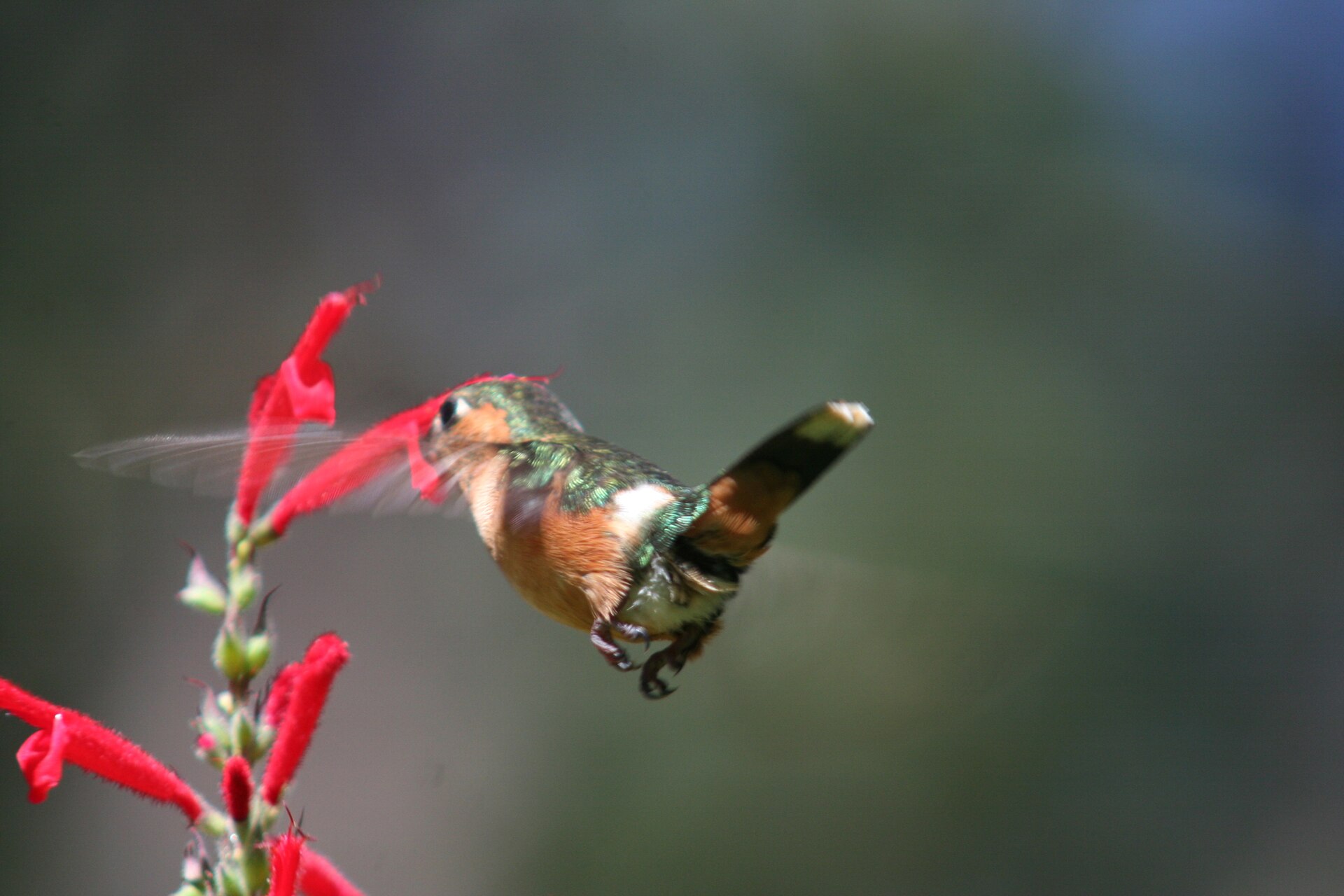
The forest here is dense and layered, a tangle of greens that shifts with the light. Oak and pine dominate the higher elevations, their gnarled branches draped in moss and epiphytes, while lower down, the understory hums with ferns, bromeliads, and the occasional flash of a hummingbird. The altitude—ranging from about 1,600 to 2,400 meters—gives the park its misty, almost otherworldly quality. On clear mornings, the fog lifts just enough to reveal the contours of the land, but by afternoon, it often rolls back in, softening the edges of the world. This is a place where silence isn’t just the absence of noise but a presence of its own, broken only by the rustle of leaves or the distant call of a quetzal, the resplendent bird that has become a symbol of the region’s wild beauty.
Montecristo’s history is as layered as its vegetation. The area was once part of the Maya world, though little remains of their presence beyond the occasional pottery shard or stone tool unearthed by archaeologists. More recently, the forest became a refuge for those fleeing conflict during the civil wars that scarred Central America in the late 20th century. Today, it’s a sanctuary of a different kind—a stronghold for species that have vanished elsewhere. The park is home to jaguars, ocelots, and Baird’s tapirs, though spotting them requires patience and luck. More common are the troops of howler monkeys, whose deep, guttural calls echo through the trees at dawn, or the toucans that flash like living rainbows against the green.
The park’s most famous feature is its trinational point, where the borders of El Salvador, Guatemala, and Honduras converge. A small monument marks the spot, though the real draw is the view: from here, the forest stretches in every direction, a sea of green that feels endless. The trails leading to this point are well-trodden but never crowded, winding through stands of ancient trees and past small streams that tumble over rocks. One of the most rewarding routes is the hike to the Mirador de los Tres Países, a viewpoint that lives up to its name. On a clear day, you can see all three nations at once, though the forest itself is the real spectacle.
For all its wildness, Montecristo is also a place of quiet human presence. The park is managed by a small team of rangers, many of whom grew up in the nearby villages. They know the forest intimately, from the best spots to see wildlife to the hidden waterfalls that appear after heavy rains. There’s a sense of stewardship here, a recognition that this land is both fragile and resilient. The park’s infrastructure is minimal—a few basic trails, a visitor center with maps and information—but that’s part of its charm. There are no zip lines or guided jeep tours, just the forest and the people who walk through it.
The climate in Montecristo is as unpredictable as it is refreshing. Mornings can be cool and damp, with temperatures hovering around 15°C, while afternoons warm up just enough to make the shade inviting. Rain is common, especially in the wet season from May to October, when the forest drinks deeply and the streams run full. Even in the dry months, the air retains a hint of moisture, a reminder that this is a place where water shapes the land. The best time to visit is during the transition between seasons, when the weather is mild and the forest is alive with birdsong.
Beyond its natural beauty, Montecristo holds a deeper significance for El Salvador. It’s one of the few places in the country where you can still experience a sense of true wilderness, a reminder of what much of Central America once looked like. The park is also a critical watershed, feeding rivers that sustain communities downstream. For locals, it’s a source of pride and a place of quiet retreat, somewhere to escape the heat and noise of the lowlands. For visitors, it’s a chance to step into a world that feels untouched by time, even if that illusion is fleeting.
There’s something humbling about walking through Montecristo. The trees have stood here for centuries, witnessing the rise and fall of empires, the ebb and flow of human history. The forest doesn’t care about borders or nations; it simply endures. That endurance is what makes this place special. It’s not just a park or a tourist destination but a living, breathing entity, one that invites you to slow down, to listen, and to remember that some things are worth preserving. Whether you come for the wildlife, the views, or just the chance to walk beneath a canopy of ancient trees, Montecristo leaves an impression that lingers long after you’ve left.