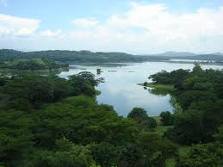
El Salto is one of those places in El Salvador where the land drops away without warning. Dry, rocky earth ends abruptly at a deep gorge, revealing a river far below. In the rainy season, the canyon fills with the sound of rushing water; in the dry months, it’s quiet, the only noise the echo of footsteps. Locals call it *Salto*—the jump—because the ground here feels like it has collapsed in a single, sudden motion.
The canyon is near Metapán, a town in the northern department of Santa Ana. The road there winds through rolling hills with sparse vegetation, twisting with the landscape. There’s little tourist infrastructure, and that keeps El Salto wild. No crowds, no souvenir stalls—just cliffs, sky, and a river that has carved its path through stone for centuries.
Geologically, the canyon took millions of years to form. Tectonic shifts and erosion wore away softer rock, leaving sheer walls of harder stone. The area is part of Central America’s volcanic belt, though no active volcanoes remain. The cliffs show layers of solidified lava, and in some spots, fossilized plant impressions from a time when tropical forests grew here.
The canyon isn’t wide, but its depth is striking. In places, the walls rise dozens of meters, creating a narrow chasm where sunlight reaches only for a few hours a day. Below, the river flows slowly, forming small waterfalls and clear pools. During the rainy season, the water rises, filling the gorge with the sound of cascades; in the dry months, the river shrinks to a thin ribbon among the rocks. Locals sometimes swim here, though the water stays cool even in heat.
There are no grand landmarks in El Salto—nature is the only architect. But if you look closely, you might find petroglyphs on the cliffs. Their age and meaning are debated, but they’re likely the work of indigenous peoples who lived here before the Spanish arrived. The carvings depict animals, geometric patterns, and elongated figures.
El Salto is a place for walking and reflection. There are no guided tours or marked trails. You can follow rough paths worn by locals down to the river, spending hours in silence, watching how light moves across the rocks or listening to the water. The landscape has cacti and low shrubs, and the air smells of dry grass and sun-warmed stone. Lizards and birds sometimes come to drink from the river.
The canyon isn’t part of a national park, so access is unrestricted. But it’s not easy to explore. The terrain is rugged—narrow paths, slippery rocks, and, in the rainy season, the risk of sudden flooding. The best time to visit is in the dry season, when the water is calmer. Sturdy shoes are a must, and bring water and sunscreen—shade is scarce.
You can’t rush through El Salto. It takes time, patience, and a willingness to slow down. There’s no exotic wildlife, but there’s something else: the sense of untouched wilderness. That’s why it draws those who want solitude, who need to escape the noise of cities.
Metapán rarely appears on tourist itineraries, which makes El Salto feel like a secret. There’s no hustle here, no crowds chasing photos. Just cliffs, a river, and the sky. If you’re lucky, you might leave with more than pictures—a feeling that you’ve seen something real, something that hasn’t been smoothed over by time.