Maroua
Cameroon · 8 places
Photo: Harouna674, CC BY-SA 4.0
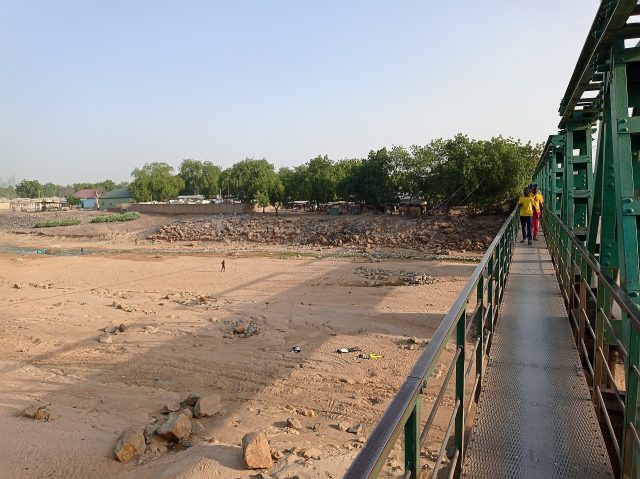
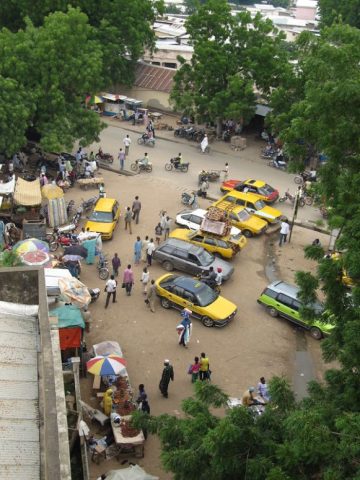
Maroua sits where the savanna softens into the foothills of the Mandara Mountains, a place where the air carries the scent of woodsmoke and spices drifting from the market. Acacia trees stretch their branches over sunbaked streets, their shadows falling across clay-walled houses built in the old way. Camels amble past, their hooves kicking up dust, while vendors call out from stalls piled with mangoes, peanuts, and flatbreads made from sorghum. The city moves at its own pace, unhurried but never still, a crossroads where herders, farmers, and traders have gathered for generations.
This is the gateway to the Mandara highlands, where the landscape grows wilder and the villages of the Mofu and Masa people cling to rocky slopes. Their round huts, with their distinctive conical roofs, have stood for centuries, and life here follows rhythms that have barely changed over time. Nearby, ancient rock paintings hint at even older stories, their faded lines etched into stone long before written history. In villages like Rumde, artisans shape clay into pots and weave vibrant patterns into fabric, selling their work at markets where bargaining is as much a part of the exchange as the goods themselves.
Twice a year, Maroua shakes off its quiet routine. In November, the city becomes the heart of a vast livestock fair, drawing herders from across the region to trade camels, sheep, and cattle. The streets fill with the lowing of animals and the shouts of deals being struck, a reminder of how deeply the rhythms of life here are tied to the land. Then, in February, the Festival of Northern Cultures transforms the city into a stage for music, dance, and traditional sports. Wrestlers grapple in the dust, drummers set the pace for dancers in brightly colored robes, and for a few days, the past feels closer than ever.
There are no grand hotels in Maroua, no polished tourist attractions—just small guesthouses and open-air restaurants where meals are simple but unforgettable. Peanut stews simmer over fires, meat sizzles on grills, and plantains roast in the embers, their skins charring to sweetness. In the evenings, people gather around fires, swapping stories or simply watching the stars blaze overhead in a sky so clear it feels like you could reach out and touch them.
Maroua doesn’t try to charm visitors with comforts or spectacle. It’s a place of dust and noise, of markets that spill into the streets and conversations that stretch late into the night. There’s no pretense here, no attempt to soften the edges of life. Instead, it offers something rarer: a glimpse of Africa as it has always been—unfiltered, unscripted, and utterly alive. For those willing to step off the well-worn path, it’s a city that doesn’t just show you a different world, but lets you feel it.
See & Do
8 places
Places on the map
Marker colour follows the categoryClimate and weather
Detailed weather: Maroua- Average temperature
- 31 °C
- Precipitation per year
- 616 mm
Average air temperature
°C
28
30
35
36
35
31
28
28
29
30
30
29
Jan
Feb
Mar
Apr
May
Jun
Jul
Aug
Sep
Oct
Nov
Dec