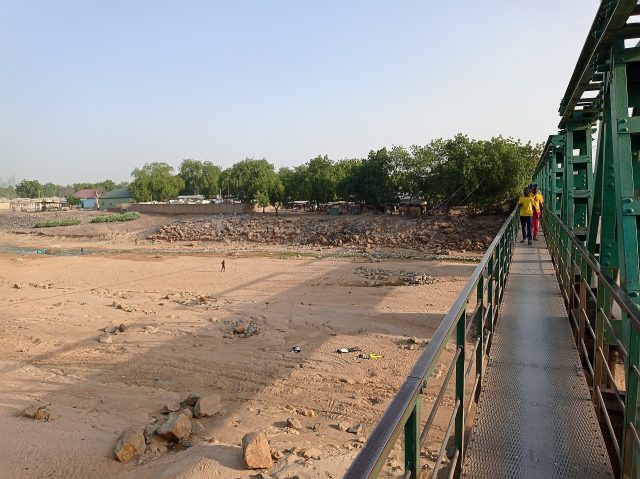
Rumde Adjia Park is one of those rare places in northern Cameroon where nature and culture merge so seamlessly that the line between them blurs. Just outside Maroua, a city that feels like a gateway to another era, the landscape shifts from the dry heat of the Sahel to the quiet rhythm of traditional life. Here, clay houses with flat roofs bake under the sun, while markets overflow with spices, handwoven fabrics, and the crafts of the Fulbe and Masa people. But it’s the park that truly reveals the soul of this region—not as a tourist attraction, but as a living, breathing space where history and daily life unfold side by side.
Unlike conventional reserves with fenced boundaries and strict rules, Rumde Adjia is an open expanse where savanna stretches into scattered woodlands and rolling hills melt into gentle valleys. There are no crowds, no guided tours, just the occasional cry of a bird or the distant lowing of cattle tended by local herders. In the dry season, when the grass turns golden and the earth seems to radiate heat, the landscape takes on an almost otherworldly quality. The only respite from the sun comes in the dappled shade of acacia trees, where time slows to the pace of the wind.
The park is best known for its wildlife, though encounters with animals are never guaranteed. Elephants, giraffes, buffalo, and various antelope species roam these lands, along with predators like lions and leopards. But these creatures are wary of humans, and sightings are rare. More often, visitors catch glimpses of monkeys watching from the trees or flocks of birds taking flight at the slightest disturbance. The best times to spot wildlife are at dawn or dusk, when the heat eases and animals venture toward the few remaining waterholes.
Yet Rumde Adjia is more than just a wildlife sanctuary. It’s deeply intertwined with the lives of the Fulbe people, for whom these lands hold special significance. The Fulbe, traditionally nomadic herders, have used these pastures for generations, and their cattle still move across the savanna under the watchful eyes of shepherds. During the rainy season, when the earth turns lush and green, the park comes alive in a different way. Herders bring their livestock from distant areas, and local markets buzz with trade and conversation. In these moments, the park feels less like a protected area and more like a vital part of a living ecosystem.
There are no grand monuments here, but the landscape itself tells a story. Old wells, dug during the colonial era when the French controlled the region, still dot the terrain. Some remain in use, with women gathering around them, waiting their turn to fill clay jars with water. Then there are the ancient paths, worn smooth by generations of herders, hunters, and travelers. These trails lead to sacred groves or places said to be inhabited by ancestral spirits. They don’t appear on any map, but they’re as much a part of the park’s history as the land itself.
For first-time visitors, Rumde Adjia can feel harsh, even unwelcoming. There are no luxury lodges, air-conditioned restaurants, or neatly marked trails. Most travelers stay in Maroua, where modest guesthouses or homestays offer basic accommodations. From the city, the journey to the park is usually made by rented car or motorcycle, followed by a trek on foot or horseback, often guided by locals. This isn’t a place for those seeking comfort or entertainment, but for those willing to experience the world as it is—unfiltered and unpolished.
In recent years, the park has drawn researchers and photographers drawn to its unique blend of wildlife and culture. Anthropologists study the traditions of the Fulbe, while biologists track animal migrations. For them, Rumde Adjia is an open book, each page revealing the delicate balance between humans and nature. But even casual visitors leave with the sense that they’ve witnessed something real—not a staged tourist experience, but a world that exists on its own terms.
The rainy season, from June to September, transforms the park completely. The parched savanna bursts into green, and the air fills with the scent of damp earth and blooming grasses. It’s a stunning time to visit, though the rains also make travel difficult, turning roads to mud and flooding low-lying areas. Yet this is when the park is at its most vibrant. Birds nest, animals give birth, and local communities celebrate the end of the dry season with traditional ceremonies. The landscape pulses with life, offering a stark contrast to the quiet stillness of the dry months.
Rumde Adjia doesn’t offer easy answers or instant gratification. It’s a place that demands patience, curiosity, and a willingness to engage with the unfamiliar. There are no signs pointing the way, no scripts to follow—just the land, the people, and the rhythms of nature. Whether you’re wandering the trails, listening to the stories of herders, or simply watching the seasons change, the park reveals itself slowly. And perhaps that’s its greatest gift: the chance to step outside the familiar and discover a world that exists beyond postcards and guidebooks.