Maroua’s Margui Museum is one of those rare places where the history of northern Cameroon isn’t just preserved—it breathes. Tucked within the former sultanate’s grounds, the museum occupies a modest building that belies the depth of its collection. There are no grand halls or polished displays here, just everyday objects that once belonged to the people of this region: pottery, weapons, jewelry, textiles, and ritual masks. Each piece feels like an invitation to imagine the lives of those who made and used them, the beliefs they held, and the values they passed down through generations.
Maroua has long been a crossroads, a place where trade routes linked the Sahel to Central Africa’s forests. The city grew around the sultan’s palace, its history intertwined with the rise of Muslim states in the region from the 16th century onward. The Margui Museum carries on this legacy, not just as a repository of artifacts but as a living space where locals and visitors alike can connect with the sultanate’s heritage and the diverse cultures that shaped the area. The collection spans centuries, from ancient stone tools to 19th-century items that reflect Maroua’s place in the colonial era.
A significant part of the museum is dedicated to traditional beliefs and rituals. Masks used in initiation ceremonies, ancestor figurines, amulets, and musical instruments fill the displays, each one a remnant of practices that once defined community life. Some of these objects still appear in festivals today, though their meanings have faded for younger generations. The museum doesn’t just document the past—it bridges the gap between tradition and modernity, showing how cultural practices evolve without entirely disappearing.
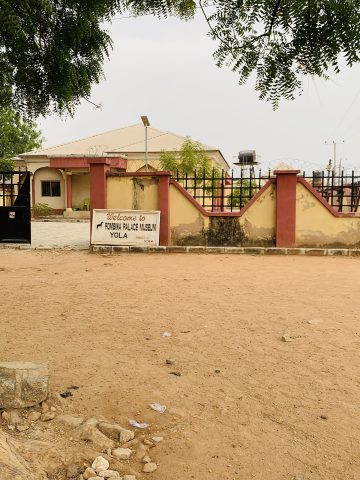
The building itself is a quiet testament to the region’s architectural style. Its mud-brick walls, flat roof, and small windows are designed to keep out the heat, while inner courtyards and galleries evoke the intimacy of traditional homes. Outside, a small garden of acacia trees offers shade, a place to sit and watch Maroua’s daily rhythm unfold—vendors selling fruit, children playing, elders exchanging stories. The museum doesn’t stand apart from the city; it’s woven into its fabric, a natural extension of the streets around it.
While the Margui Museum welcomes visitors, its significance goes beyond tourism. For locals, it’s a place to rediscover their roots or introduce children to their heritage. In recent years, the museum has expanded its role, hosting educational programs, workshops on traditional crafts, and lectures on regional history. Temporary exhibitions sometimes feature contemporary art or photographs capturing northern Cameroon’s changing landscapes. These efforts keep the museum dynamic, transforming it from a static archive into an active cultural hub.
A visit here offers a deeper understanding of life in this corner of Africa. There’s no manufactured exoticism, just a thoughtful presentation of objects that tell a larger story. The collection reflects the intertwined histories of the Fulani, Kanuri, Masa, and other groups who shaped the region. Some items were traded from neighboring countries, a reminder of how closely the Sahel’s cultures were once connected. The museum doesn’t just display artifacts—it reveals the threads that bind them together.
Maroua isn’t a city that reveals itself immediately. It demands patience, and the Margui Museum is one of the places where that patience is rewarded. There are no pushy guides or loud announcements, just the quiet presence of objects that have witnessed centuries of change. Walking through the galleries, it’s impossible not to wonder about the untold stories, the traditions lost to time. Yet the museum does something vital—it preserves what it can, ensuring that future generations have a chance to connect with their past.
Stepping outside, the streets of Maroua feel like a natural continuation of the museum’s story. The city moves at its own unhurried pace: markets buzz with spices and fabrics, meals are cooked over open fires, and drumbeats echo through the evenings. The Margui Museum isn’t separate from this life—it’s part of it. That’s what makes it different from other museums. There’s no sense of detachment here, just the quiet understanding that traditions endure, even as they adapt. And that’s what makes a visit truly meaningful.