Bidzar is a village in northern Cameroon, set in a landscape where time moves slowly. The place is known for its ancient rock carvings, spread across the sun-baked stones of the surrounding plains. These petroglyphs, some dating back thousands of years, show geometric patterns, abstract symbols, and animal figures. Their meaning is lost, leaving questions about their creators and purpose.
The origins of the petroglyphs are unclear. Some researchers think they were made by early hunter-gatherers; others connect them to Neolithic farmers. The symbols resemble rock art found elsewhere in the Sahara and Sahel, suggesting links between distant cultures. But without clear evidence, the stones remain silent.
The village has a few mud-brick homes and dusty paths.
Life here is slow. There are no visitor centers or guided tours—just open land and locals going about their day. The petroglyphs are part of the environment, like rivers or hills. Elders sometimes tell stories of spirits in the rocks, passed down in conversations under baobab trees.
Few studies have been done on the carvings. Wind and rain have worn them down, erasing details. Some slabs are cracked; others bear recent scratches—names carved by visitors. Without protection, the petroglyphs may fade, taking their stories with them.
Bidzar offers something rare: a place without crowds or commercialism. There are no souvenir stalls or tour buses, just the quiet Sahel. The air is dry, the horizon hazy, and the only sounds are dry grass and birds. It’s a landscape that rewards patience—no grand monuments, just the chance to stand near something ancient.
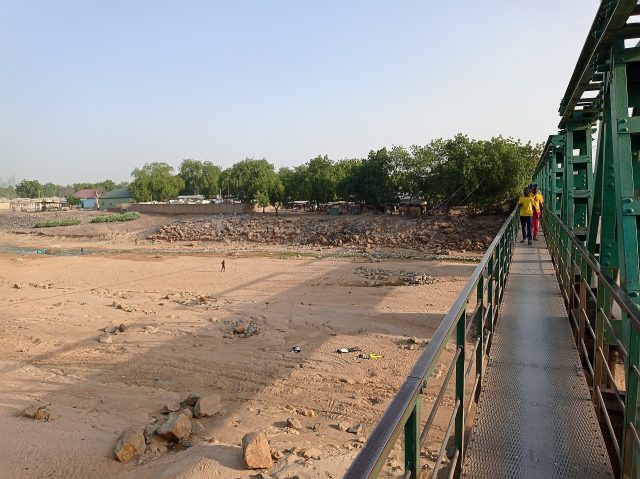
The area changes with the seasons. To the north, arid savanna stretches under the sun. To the south, valleys are greener, fed by seasonal rivers where farmers grow millet and sorghum. In the rainy season, dust turns to grass, and the air smells of damp earth. For a short time, the region feels alive. Travelers might see local festivals with music and dance rooted in tradition.
Finding the petroglyphs takes effort. There are no signs or marked trails. The stones lie scattered, some half-buried, others standing alone. A local guide can help, pointing out key carvings and sharing what’s known. But even without one, wandering among them feels like reading an unsolved puzzle.
Bidzar isn’t on most travel lists. There are no palaces, no beaches. What it offers is quieter—the chance to walk where the past lingers just beneath the surface. In a world where so much is mapped, places like this are rare. They remind us that history isn’t always written in books, but sometimes in stone, waiting for those who look.