
Maracay
Venezuela · 8 places
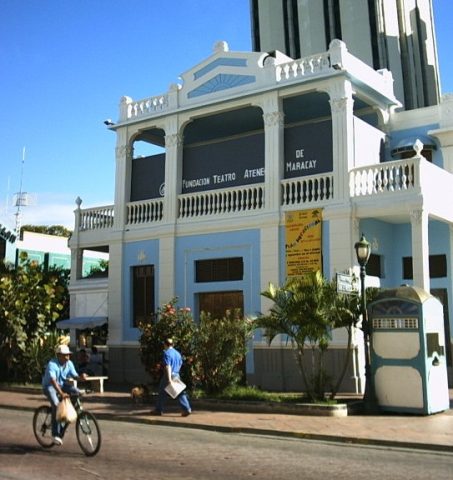
Photo: xolkanf, CC BY 2.0
Maracay
Maracay doesn’t appear on most travelers’ radar. It lacks the buzz of Caracas or the beachfront appeal of Margarita, yet it holds something rarer: a rhythm untouched by tourism. Tucked between mountains and sea, an hour from the capital, the city wakes slowly. Morning mist clings to the streets, and the air smells of coffee and fresh bread from neighborhood bakeries. In the main square, men play dominoes under the shade of trees, just as they have for decades.
The city’s origins were modest—a settlement around sugar plantations and a military fort, growing gradually under Spanish rule in the 1700s. Its expansion came later, when it became a key link between Caracas and the coast. By the mid-20th century, factories dotted its edges, once driving Venezuela’s textile and food production. But Maracay’s soul isn’t in its industry. It’s in the descendants of Italian, Portuguese, and Arab immigrants who shaped its food, architecture, and even its speech. Their influence lingers in the spices of a home-cooked meal or the carved balconies of colonial houses.
Maracay doesn’t rely on famous landmarks. What sets it apart is how its neighborhoods shift—each with its own pace. The historic center, with its grand mansions, hosts live music on weekends. A few blocks north, working-class districts unfold, where low-slung houses shelter small shops selling mangoes and handmade tools. No crowds, just locals who watch visitors with quiet interest, especially those lingering over coffee in Plaza Bolívar.
Nature is close. To the north, the Cordillera’s foothills offer trails past waterfalls and lookout points. To the south, the Caribbean coast is less than an hour away, its beaches often empty. But many stay near Lake Valencia, one of Venezuela’s largest. The lake’s waters rise and fall unpredictably, a puzzle that still sparks debates among locals.
Maracay’s gift is the absence of rush. There’s no pressure to see, no itinerary to follow. You can wander, duck into cafés, and let the day unfold. It won’t leave you with grand stories—just the quiet impression of a place where time moves differently.
See & Do
7 places

Places on the map
Marker colour follows the categoryClimate and weather
Detailed weather: Maracay- Average temperature
- 25 °C
- Precipitation per year
- 1048 mm
Average air temperature
°C
25
26
26
26
25
23
25
25
25
26
25
25
Jan
Feb
Mar
Apr
May
Jun
Jul
Aug
Sep
Oct
Nov
Dec


