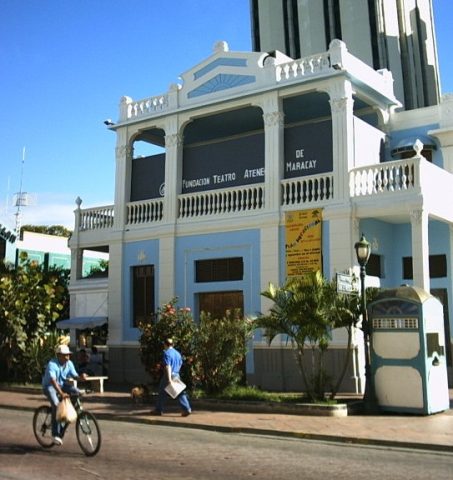
Leonardo Ruiz Pineda Park in Maracay is the kind of place that doesn’t announce itself with fanfare. Tucked away in the heart of the city, surrounded by the hum of traffic and the rhythm of daily life, it offers a quiet retreat from the noise. There are no flashy attractions or crowds of tourists here—just wide pathways, towering trees, and an atmosphere that feels like a step back into a slower, more unhurried time.
Named after a Venezuelan politician and public figure, the park carries the legacy of those who shaped the country’s modern history. Leonardo Ruiz Pineda was a key figure in the mid-20th century struggle for democracy, and though his name may not be widely recognized today, the park remains a symbol of continuity for locals. Small cultural and historical events are sometimes held here, but on most days, it’s simply a place to wander, sit on a bench with a book, or watch children play.
The park’s design is unassuming but thoughtful. A central promenade leads to a small fountain, once a gathering spot for residents to chat or enjoy the cool air. The fountain no longer works, but its surroundings still draw people—especially in the early morning, when sunlight filters through the leaves and casts long shadows across the paths. Benches are scattered throughout, some worn by time, adding to the park’s understated charm.
Maracay has a rich history, and Leonardo Ruiz Pineda Park reflects the city’s character. In the first half of the 20th century, Maracay was a thriving industrial hub, its streets filled with workers, merchants, and intellectuals. The park became a meeting place where people discussed everything from everyday concerns to the nation’s future. Today, echoes of that era linger in the old buildings around the park, their quiet presence blending with the park’s own restrained energy.
There are no strict rules here, which makes the park feel genuinely public. You’ll find elderly men playing dominoes under the trees, groups of young people picnicking on the grass, and families strolling with their children. In the summer, the park is especially busy—one of the few places in the city where shade offers relief from the heat. When the rains come in winter, the paths become a quiet refuge, a place to think or simply daydream.
What makes this park special is its refusal to be anything more than it is. It’s not an open-air museum or an entertainment complex, just a patch of green in the middle of the city. There are no exotic plants or grand sculptures, but there is something rare in modern urban spaces: a sense of natural ease. The trees, planted decades ago, have grown tall, creating their own microclimate, while birds nesting in their branches fill the air with life.
For first-time visitors, Leonardo Ruiz Pineda Park might seem like just another city square. But spend an hour here, and it becomes clear why locals cherish it. The park asks nothing of its visitors except the willingness to slow down and feel the city’s rhythm. You can sit on a bench and watch the light change throughout the day or walk the paths, wondering how many others have done the same before you.
Venezuela is a country of contrasts, and Maracay is no exception. Once an industrial powerhouse, the city now moves at its own pace, and this park is one of the places where that rhythm is most tangible. It doesn’t try to impress or dazzle—its appeal lies in its quiet authenticity. Here, time flows differently, and the past and present coexist so naturally that they become inseparable.