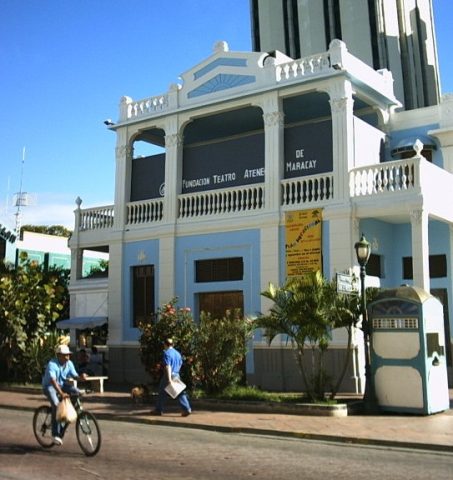
The Museum of Anthropology and History in Maracay is one of those rare places where the past doesn’t just sit behind glass—it lingers in the air, in the quiet corners of the rooms, in the very bones of the building. Housed in what was once a colonial-era estate, the museum itself is a piece of history. The architecture still carries the weight of its origins: soaring ceilings, thick wooden beams, and inner courtyards where fountains once murmured for the pleasure of Spanish landowners. From the outside, the building appears unassuming, but step inside, and you’ll find that time moves differently here.
The museum’s collection spans centuries, though its heart lies in the pre-Columbian era and the history of the Aragua region. The exhibits showcase artifacts unearthed across Venezuela—pottery, tools, jewelry, and ritual objects crafted by the indigenous peoples who called these lands home long before European arrival. Among the most striking pieces are those linked to the Carib tribes, known for their seafaring prowess and warrior traditions. Their shell carvings, stone tools, and bone ornaments reveal not just skill but a complex system of beliefs, where every symbol carried meaning. These objects don’t just represent a culture; they whisper stories of a world that once thrived here.
A separate hall is dedicated to the colonial period, when Maracay was just beginning to take shape as a city. Here, you’ll find everyday items used by Spanish settlers—documents, maps, and engravings that capture the early days of the region. What makes this section fascinating is the way it shows the collision and blending of cultures. European traditions didn’t simply replace indigenous ones; they intertwined, creating something new. The painted ceramics on display, for instance, bear the marks of both Spanish design and native motifs. This fusion isn’t just a theme of the exhibits—it’s woven into the very atmosphere of the museum.
The struggle for Venezuelan independence also has its place in the collection. Though Maracay wasn’t a major battleground, it played its part in the early 19th-century upheavals. The museum holds personal belongings of those who fought, along with weapons, letters, and proclamations from the era. Portraits of Simón Bolívar and other revolutionary figures line the walls, while documents reveal how life in the region shifted after independence. These items do more than recount history—they evoke the spirit of a time when the country was forging its identity.
What sets this museum apart is its restraint. The collection isn’t overwhelming in size, but every piece has been chosen with care, each one telling a story. In one room, you might see the tools of 19th-century artisans displayed alongside photographs of the workshops where they were used. Such details don’t just show the past—they bring it to life, making it feel tangible. The museum doesn’t rely on spectacle; instead, it invites visitors to slow down and engage with the layers of history.
The quiet of the galleries adds to the experience. The light is soft, the air still, and it’s easy to imagine the building holding onto more than just artifacts—it feels like it preserves the voices of those who walked these halls centuries ago. Many visitors leave with the sense that they’ve touched something deeper than a mere collection of objects. Perhaps that’s because the museum doesn’t try to impress with grandeur. Its strength lies in its authenticity, in the way it lets the past speak for itself.
The museum also plays an active role in the local community. It collaborates with researchers and archaeologists, ensuring that its collection grows and evolves. Temporary exhibitions occasionally focus on specific themes, such as the history of particular indigenous groups or the development of regional crafts. These events draw both tourists and locals, making the museum a living part of Maracay’s cultural fabric.
Maracay itself is a city where the past and present coexist with unusual harmony. There’s no frenetic energy here—just a quiet rhythm where historic buildings stand alongside cafés and parks. The Museum of Anthropology and History fits seamlessly into this setting. It doesn’t aim to be the biggest or the most famous, and that’s precisely what makes it special. A visit here isn’t just a tour; it’s a chance to step into a slower pace, to see the world through the eyes of those who came before, and maybe to discover something about yourself in the process.