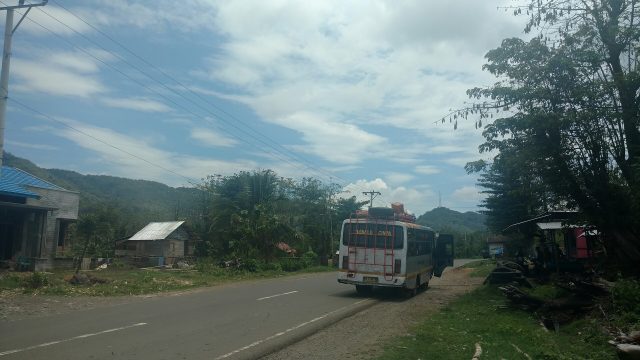
Khartoum North
Sudan · 6 places
Photo: Bertramz, CC BY 3.0
North Khartoum sits quietly on the left bank of the Blue Nile, just across from the bustling heart of the capital. A handful of bridges connect it to the city center, but here the pace slows, the streets widen, and the air carries the easy rhythm of a place that has grown comfortable in its own skin. It’s not a sleepy suburb, though—just a different kind of urban life, one shaped by the river’s steady current and the quiet ambitions of those who call it home.
The district took shape in the mid-20th century, when Khartoum’s expansion sent families searching for space and calm beyond the crowded historic core. What emerged was a patchwork of low-slung houses with flat roofs, modern apartment blocks, and the occasional industrial zone humming in the background. The architecture tells its own story: a place caught between tradition and change, where the past isn’t preserved in monuments but lived out in everyday routines. In the evenings, the corniche comes alive as locals stroll along the water, some pausing to sit on the banks, others lingering in the open-air cafés that line the shore. The Nile here is broad and unhurried, its waters carrying traces of the Ethiopian highlands where the Blue Nile begins. In summer, the banks turn lush and green; in winter, the river mirrors the sky, calm and reflective. Fishermen set out at dawn, returning with the day’s catch, which you can buy straight from their boats if you’re up early enough. The scent of grilled fish mingles with the sharp aroma of Sudanese coffee and the sweetness of spiced tea—small pleasures that make the riverfront a favorite gathering spot.
Markets pulse at the district’s edges, especially near the bridges, where the air is thick with the chatter of vendors and the scent of spices. You’ll hear Arabic, Nubian dialects, and the occasional snippet of Amharic or Hindi, a reminder of the many threads that weave through North Khartoum’s identity. Sudanese families shop alongside migrants from neighboring countries, and the stalls overflow with goods from across the region—brightly colored fabrics from Ethiopia, leatherwork from local artisans, and sweets sticky with honey and sesame. Nearby, workshops hum with activity, where craftsmen shape clay into pottery or stitch intricate patterns into leather. It’s not the kind of place that draws crowds of tourists, but that’s part of its charm. Here, the city’s rhythms feel authentic, unfiltered by the expectations of outsiders.
What North Khartoum lacks in grand landmarks, it makes up for in the quiet details of daily life. There are no ancient ruins or towering minarets, just the steady ebb and flow of a neighborhood that has grown into itself over decades. In the late afternoon, when the heat finally relents, the streets fill with people—office workers heading home, students lingering outside cafés, families out for an evening walk. The energy is understated but real, the kind that comes from a place where people have put down roots. It’s the sort of district where strangers might nod in greeting as they pass, where the call to prayer blends with the sound of children playing in the alleys, and where the Nile, always present, ties everything together. For those who live here, North Khartoum isn’t just a place to pass through—it’s a corner of the capital that feels like home.
See & Do
All of them


Places on the map
Marker colour follows the categoryClimate and weather
Detailed weather: Khartoum North- Average temperature
- 31 °C
- Precipitation per year
- 96 mm
Average air temperature
°C
24
25
30
33
36
35
33
31
33
33
29
25
Jan
Feb
Mar
Apr
May
Jun
Jul
Aug
Sep
Oct
Nov
Dec