Magelang City
Indonesia · 5 places
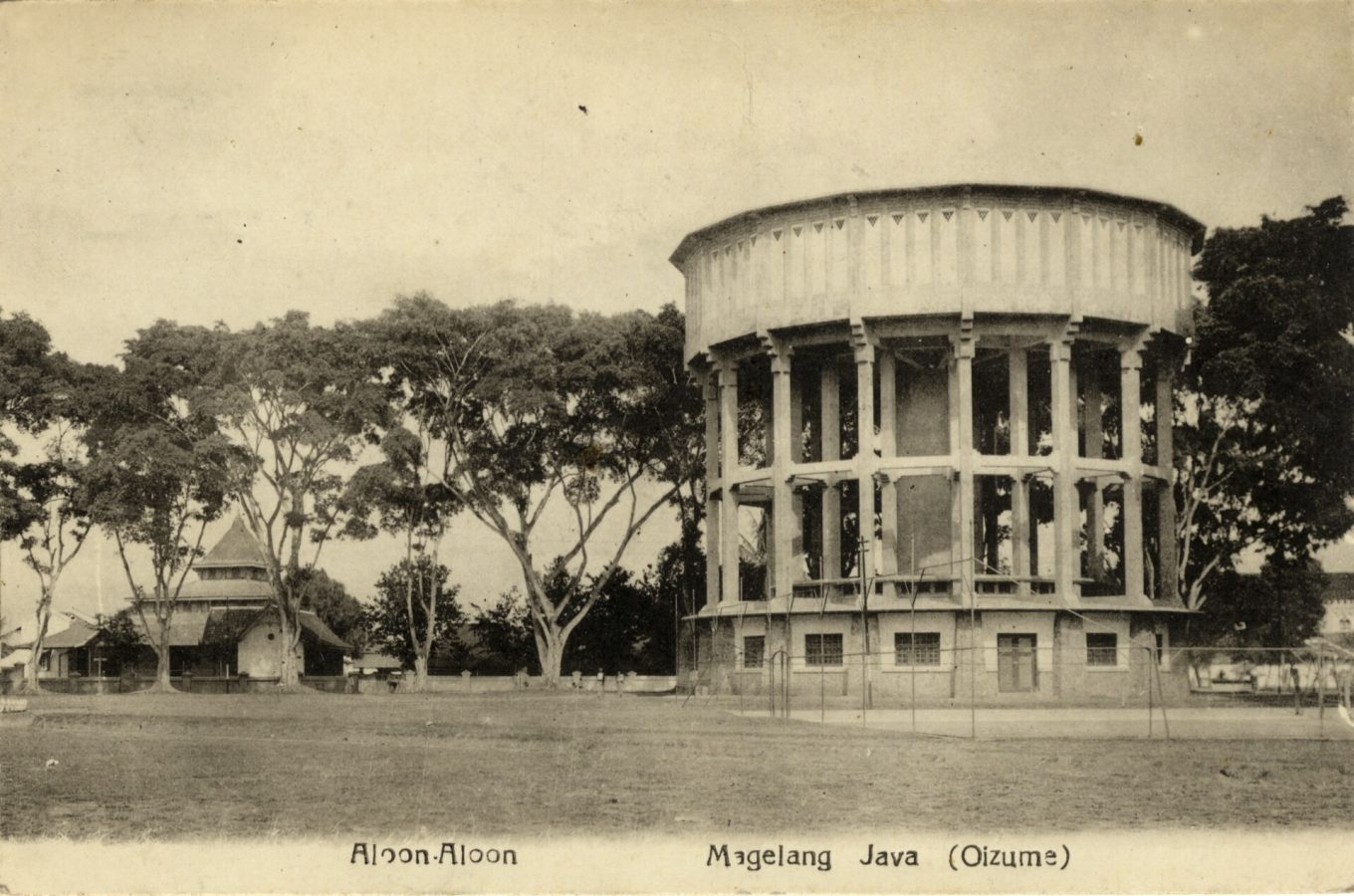
Photo: Oizume, CC BY 4.0
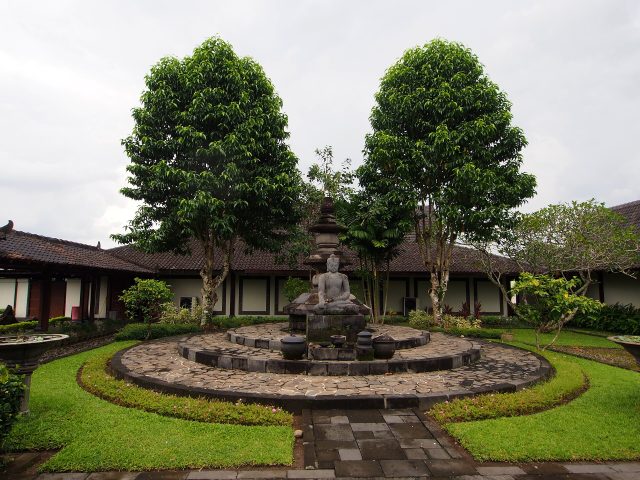
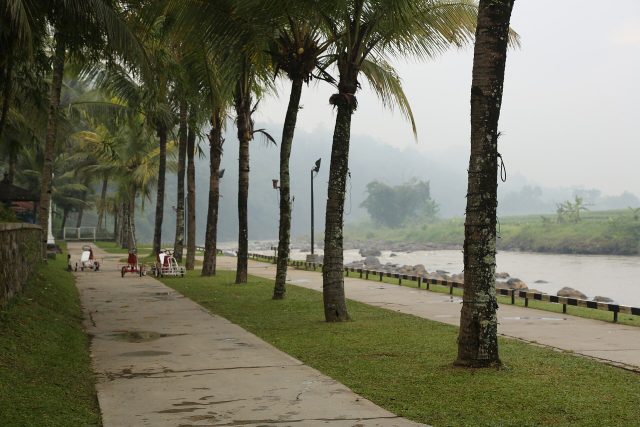
Magelang is the kind of place that doesn’t announce itself. Tucked in the heart of Java, it sits quietly in the shadow of Mount Merapi, the volcano’s slopes beginning almost where the city ends. There are no crowds here, no souvenir stalls on every corner, no high-rise hotels with ocean views. Instead, you’ll find tree-lined streets, low houses with tiled roofs, and a pace of life that moves to its own unhurried rhythm. Magelang doesn’t try to impress—it simply exists, and that’s what makes it quietly compelling.
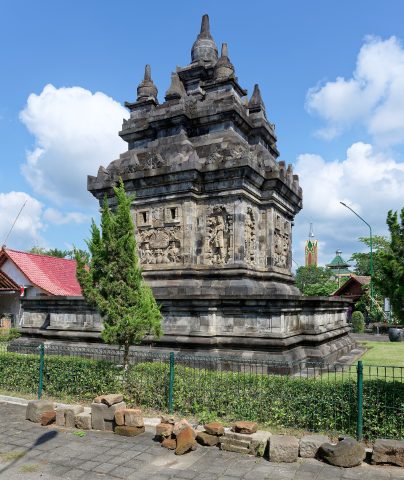
The city is often called the gateway to two of Indonesia’s most important Buddhist monuments, Borobudur and Mendut. While the temples themselves lie just outside Magelang, travelers pass through here on their way to these ancient sites. In the mornings, the central square fills with groups boarding minivans, but by midday, the city slips back into its usual calm. Locals are used to visitors, but they don’t put on a show—no pushy guides, no vendors hawking overpriced coffee. Just people living alongside history without turning it into a spectacle.
Magelang doesn’t have the usual tourist attractions. There are no world-class museums, no gilded palaces, not even a waterfront for sunset strolls. But there’s Pasar Rejo, a market where the air is thick with the scent of fresh coffee, spices, and fried fish, and vendors lay out their goods on the ground—everything from bananas to handmade batik. There’s the old Dutch bridge over the Probolinggo River, known simply as "the bridge," though it’s been standing for over a century. There are small cafes with wooden tables serving gulai and tapioca cakes, their walls lined with faded photos of the city from decades past. None of it is staged for tourists; it’s just life as it’s always been, and that’s what makes it worth seeing.
The city is surrounded by rice fields and plantations stretching to the horizon. During the rainy season, the terraced paddies turn into vast mirrors reflecting the sky, while in the dry months, the earth takes on a golden hue. Farmers work the land much as their ancestors did, rising with the sun and carrying hoes and baskets. Sometimes, you’ll see water buffalo pulling carts along narrow paths between the fields—a scene so ordinary here that no one bats an eye, yet for visitors, it feels like stepping into another time. Nearby villages move even slower, where you might be invited into a home for guava leaf tea and stories of how people once walked all the way to Yogyakarta because there were no buses.
Magelang doesn’t chase trends. There are no air-conditioned malls or global coffee chains, just small shops selling everything from batteries to hand-knit socks. Old cinemas still screen Indonesian films for pocket change, and parks fill with families flying kites or lounging on the grass in the evenings. There’s no subway, no traffic jams, no relentless hustle. Life here follows the sun and the seasons, not the clock. Maybe that’s why people who stumble upon Magelang often end up staying longer than they planned—not because there’s something extraordinary to see, but because there’s nothing unnecessary to distract from the quiet pleasure of simply being.
See & Do
All of them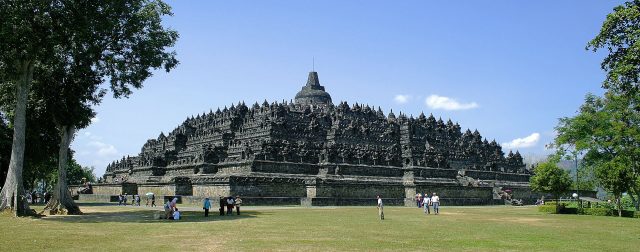
Places on the map
Marker colour follows the categoryClimate and weather
Detailed weather: Magelang City- Average temperature
- 28 °C
- Precipitation per year
- 0 mm
Average air temperature
°C
28
28
28
28
28
28
28
27
28
29
28
28
Jan
Feb
Mar
Apr
May
Jun
Jul
Aug
Sep
Oct
Nov
Dec