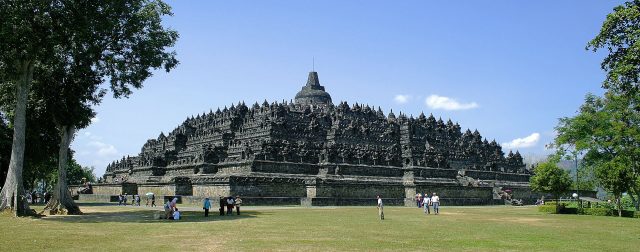
Nestled in the quiet outskirts of Magelang, the Karmawibhangga Museum feels like a whispered secret from Java’s distant past. Unlike the grand monuments that dominate the region, this place doesn’t demand attention—it invites curiosity. The museum sits in the shadow of Borobudur, the colossal 9th-century Buddhist temple, yet it offers something the temple itself cannot: a glimpse into the everyday lives of the people who built and worshipped there. There are no crowds here, no hurried footsteps or flashing cameras. Instead, the dimly lit halls and the scent of aged wood create an atmosphere of quiet reflection, as if time itself has slowed to match the pace of ancient rituals.
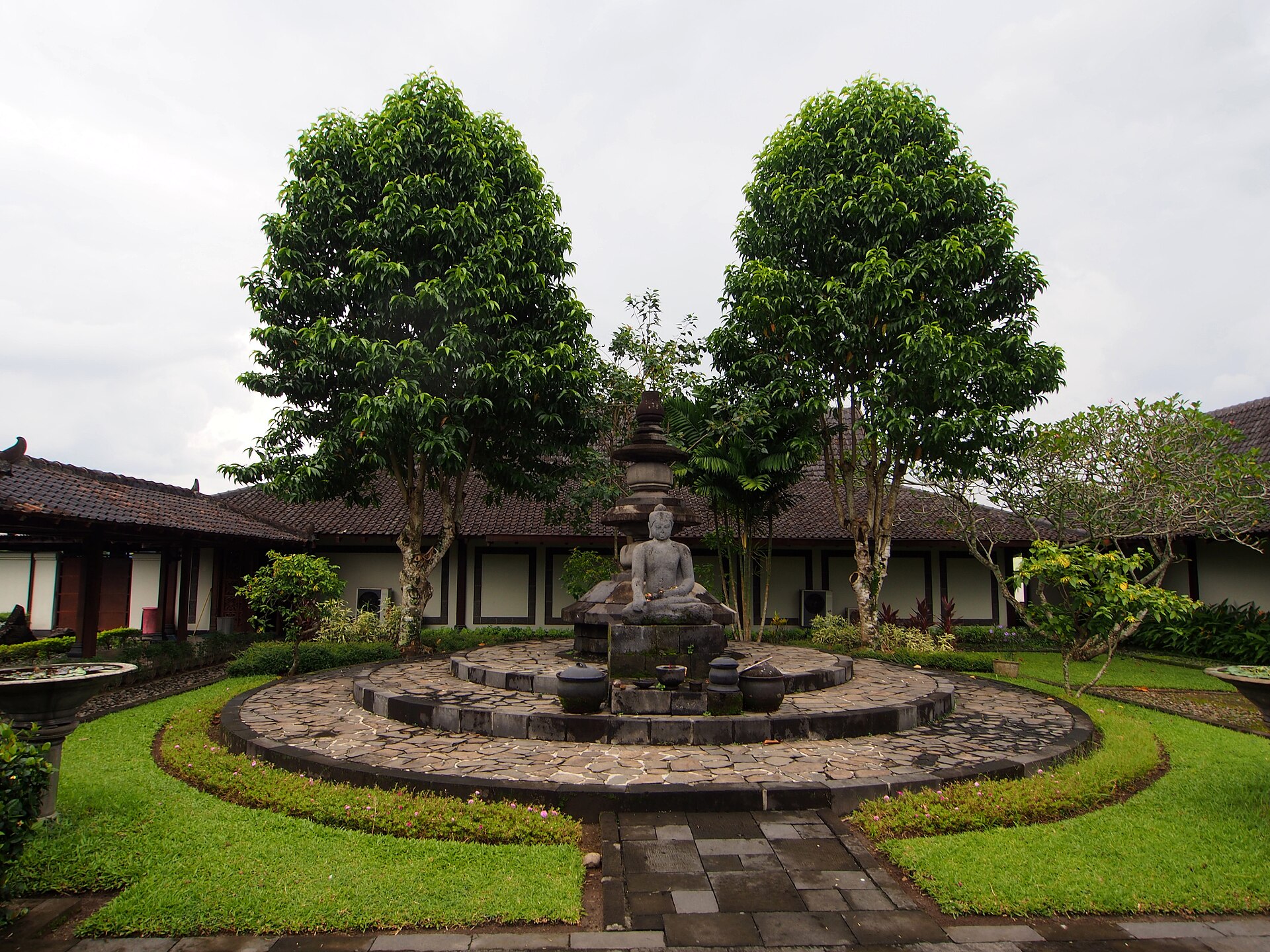
The building itself is unassuming, designed to blend seamlessly with the traditional Javanese aesthetic. Its wooden beams and intricately carved panels echo the architecture of old palaces and monasteries, while the soft, filtered light through narrow windows casts gentle shadows on the walls. Inside, the space is arranged not just to display artifacts but to immerse visitors in the interconnectedness of art, faith, and daily existence. The museum’s name, Karmawibhangga, translates to "the unfolding of karma," and that theme runs through every exhibit, framing the past as a series of choices, consequences, and quiet human moments.
At the heart of the collection are the stone reliefs removed from the hidden base of Borobudur. These panels, usually concealed from view, depict scenes that feel startlingly intimate. Farmers tilling fields, merchants haggling in markets, musicians playing for dancers—these are not the lofty, symbolic images found on the temple’s upper terraces but snapshots of ordinary life. Interspersed with these are darker scenes: punishments for wrongdoing, the suffering of the sick and poor, and the relentless cycle of cause and effect. The reliefs were never meant to be decorative; they were a moral guide, etched in stone for those who could read their lessons. Seeing them here, away from the grandeur of the temple, makes their messages feel more immediate, as if the past is speaking directly to the present.
Beyond the reliefs, the museum houses a modest but fascinating array of artifacts unearthed near Borobudur. Ceramic vessels, small statues of deities, fragments of tools, and household items fill the display cases. Each piece is accompanied by brief descriptions, but the real value lies in what they collectively reveal. A clay figurine might hint at forgotten rituals, while a bronze bell suggests the sounds that once filled temple courtyards. Simple stone tools, worn smooth by use, serve as a reminder of the labor that went into constructing Borobudur’s towering spires. These objects aren’t relics of kings or gods but of the people who lived in their shadow, their stories often overlooked in favor of grander narratives.
One of the museum’s most compelling features is its attempt to recreate the techniques of the past. In a few rooms, visitors can see demonstrations of how ancient craftsmen worked—how they shaped stone, mixed pigments for murals, or fired clay in rudimentary kilns. These aren’t polished, high-tech exhibits but hands-on attempts to bridge the gap between then and now. Occasionally, workshops are held where visitors can try their hand at these ancient skills, molding clay or carving wood under the guidance of local artisans. It’s a rare opportunity to move beyond passive observation and engage with history in a tactile way, even if only for a moment.
What makes the Karmawibhangga Museum special is its refusal to sensationalize the past. There are no flashy displays or interactive screens, no attempts to dazzle with spectacle. Instead, the museum trusts in the quiet power of its collection to speak for itself. After the overwhelming scale of Borobudur, with its soaring stupas and intricate carvings, the museum feels like a pause for breath—a place to sit with what you’ve seen and consider the human hands behind it. Many visitors leave with a sense of having encountered something more personal than a typical tourist stop, as if the past here isn’t just observed but felt.
The museum also serves as a subtle reminder of the layers of history that define this region. Magelang and its surroundings are often seen through the lens of Borobudur’s grandeur, but the area has always been more than a single monument. Over the centuries, it has absorbed influences from Hinduism, Buddhism, Islam, and even Dutch colonialism, each leaving its mark on the culture. The Karmawibhangga Museum acts as a quiet counterpoint to these grand narratives, focusing on the lives that unfolded alongside them. It’s a place where the sacred and the mundane coexist, where a farmer’s daily toil is given the same weight as a priest’s prayers.
For those drawn to anthropology as much as architecture, the museum offers a refreshing perspective. Here, there’s no rigid hierarchy between "high" and "low" art. Sacred texts sit beside scenes of market life, and divine figures share space with ordinary people. The exhibits suggest that for the Javanese of the past, Buddhism wasn’t just a religion but a way of understanding the world—one that shaped everything from farming techniques to social customs. The reliefs, in particular, reveal a society deeply concerned with ethics, where even the smallest actions were believed to have consequences. It’s a worldview that feels both foreign and strangely familiar, a reminder that human concerns haven’t changed as much as we might think.
The best way to experience the museum is as part of a visit to Borobudur. After walking the temple’s ascending terraces, where every step feels like a journey toward enlightenment, the museum grounds you in the earthly realities of the people who built it. There are no towering spires here, no sweeping vistas—just the quiet hum of history, the weight of stone, and the faint echoes of lives lived long ago. It’s a place that doesn’t just show you the past but asks you to consider what it means to be part of something larger than yourself. And in that, it offers a kind of quiet revelation, one that lingers long after you’ve left its halls.