Jaisalmer
India · 5 places
Photo: Vyacheslav Argenberg, CC BY 4.0
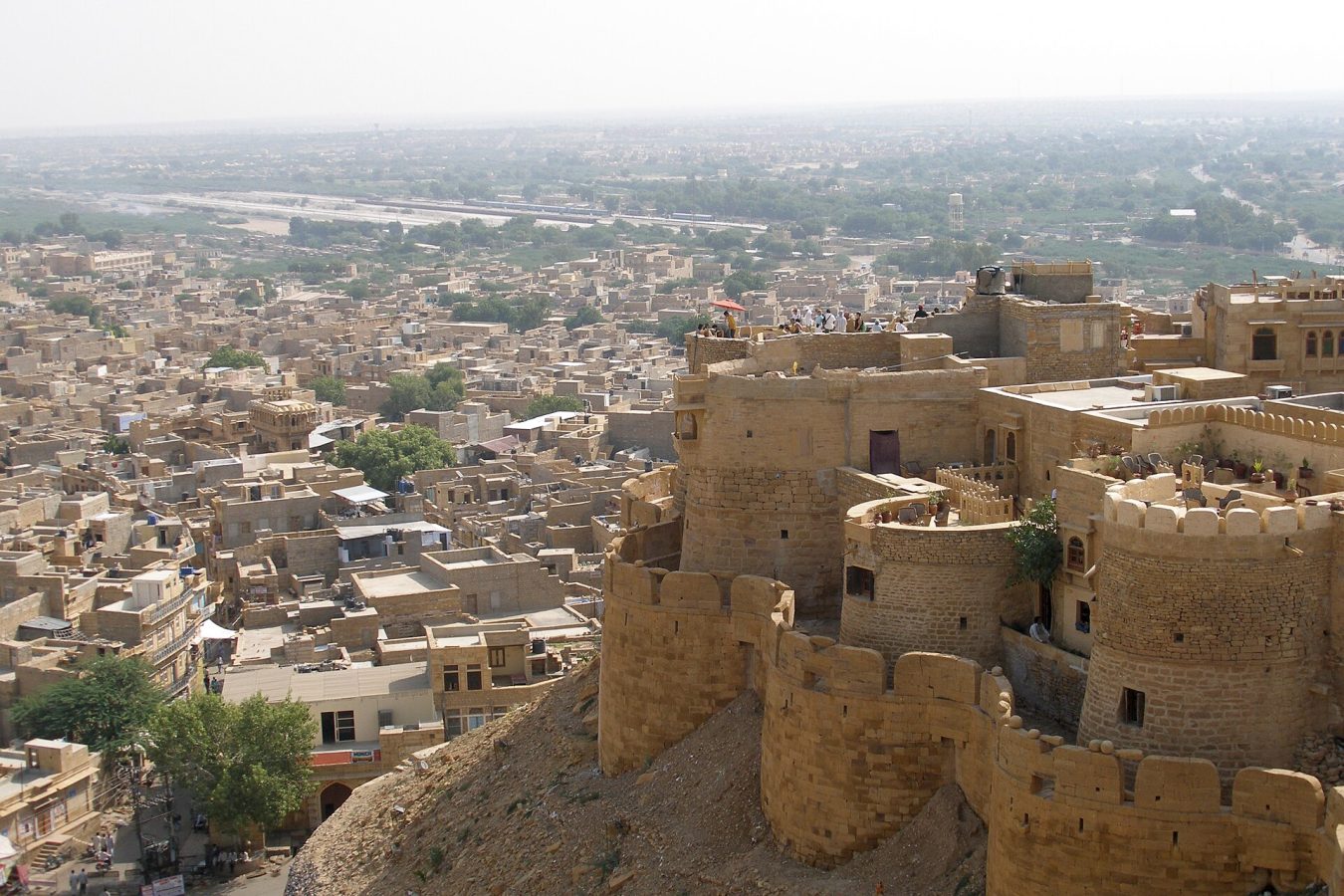
Jaisalmer feels like a place where time has paused, where the golden hues of medieval fortresses meet the endless sands of the Thar Desert. Perched on the edge of Rajasthan, it rises from the dunes as if woven from legend rather than built by human hands. Founded in the 12th century as a fortress along ancient trade routes connecting India to Persia and Central Asia, the city still revolves around its most striking landmark—the massive Jaisalmer Fort. From a distance, its sandstone walls glow like molten gold at sunset, a sight that lingers in memory long after you’ve left.
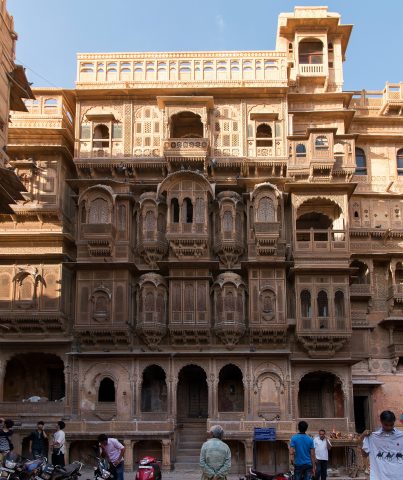
Life here moves to the unhurried rhythm of the desert. The narrow lanes of the old city, lined with houses of the same warm stone, twist into a maze of courtyards, temples, and tiny shops where silver jewelry, vibrant fabrics, and spices spill onto the streets. There’s no rush, no hum of a metropolis—even visitors find themselves slowing down, drawn into the quiet pulse of the place. As evening falls, the city comes alive with folk music drifting from rooftop restaurants, where the view stretches across the desert and the fort’s lights flicker like distant stars. The Desert Festival, held each year, turns the sands into a stage for music, dance, and camel races, a celebration that feels as old as the dunes themselves.
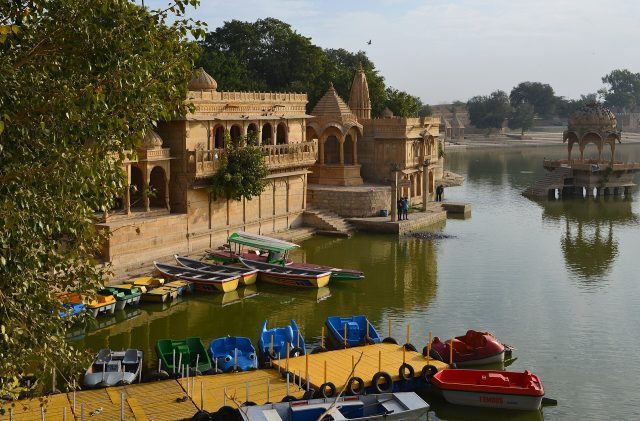
The Thar Desert isn’t just a backdrop to Jaisalmer; it’s part of its soul. Riding a camel over the dunes at dawn, sleeping under a sky dense with stars, or watching the sunrise paint the sands in shades of rose and amber—these aren’t just tourist experiences but ways to understand the land. Beyond the city, abandoned villages, ancient temples, and centuries-old stepwells tell stories of caravans that once crossed these arid plains. One such well, Gadisar, still draws travelers and locals alike, its waters surrounded by gardens and small shrines. A few hours away, the salt marshes of the Great Rann of Kutch transform in winter, when flamingos turn the horizon pink, a fleeting miracle in the heart of the desert.
Jaisalmer is more than history and landscape; it’s a living culture shaped by the Rajputs, the warrior clans who once ruled these lands. Their legacy lingers in the fort, where descendants of noble families still live, and in museums filled with weapons, textiles, and relics of a bygone era. The city is also known for its crafts—embroidery, leatherwork, and metalwork passed down through generations. Even if you’re not in the market for souvenirs, watching artisans at work offers a glimpse into traditions that refuse to fade.
This isn’t a place that tries to impress. Jaisalmer exists on its own terms, untouched by the haste of modern life. The stones underfoot hold centuries of stories, and the desert reminds you of something larger than yourself. It doesn’t cater to expectations; it simply is, and that’s what makes it unforgettable.
See & Do
All of them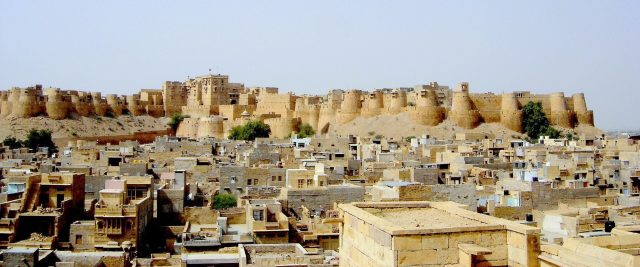
Places on the map
Marker colour follows the categoryClimate and weather
Detailed weather: Jaisalmer- Average temperature
- 27 °C
- Precipitation per year
- 337 mm
Average air temperature
°C
16
21
26
31
35
34
32
31
31
29
23
18
Jan
Feb
Mar
Apr
May
Jun
Jul
Aug
Sep
Oct
Nov
Dec