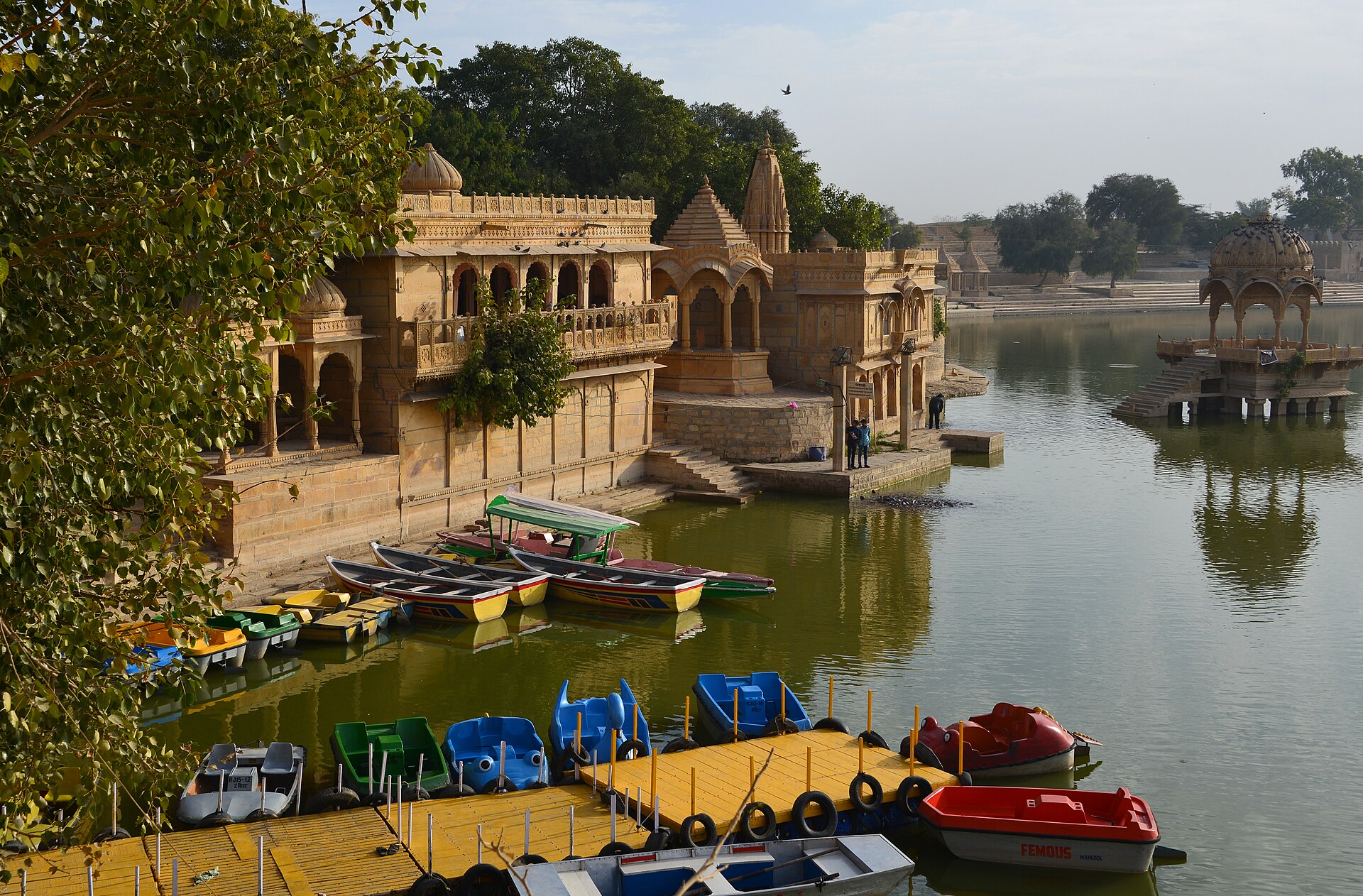
Gadisar Lake is a quiet corner of Jaisalmer where time slows. On the city’s edge, it’s surrounded by dunes and temples, a place that feels unchanged. Built in the 14th century by Rawal Gadsi Singh, it was a rainwater reservoir, essential for the desert city when rains failed. It shaped Jaisalmer’s survival and daily life. Now, it’s part of the landscape, its purpose gentler.
The lake is small. Its shores hold temples, pavilions, and carved gateways that reflect in the water. Tilon-Ki-Pol stands out—an ornate 19th-century archway. Its stone carvings depict Hindu myths. Passing through it feels like stepping into stillness, away from the city’s noise. Beyond it, the lake’s edge draws locals and visitors seeking shade and quiet.
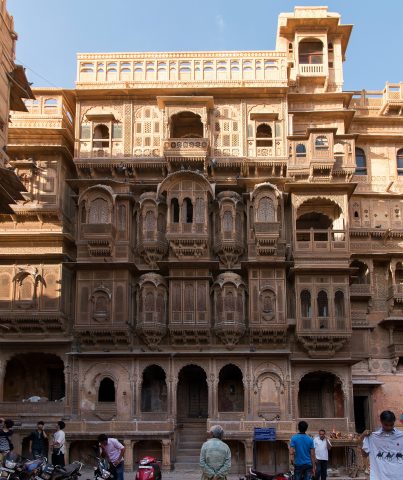
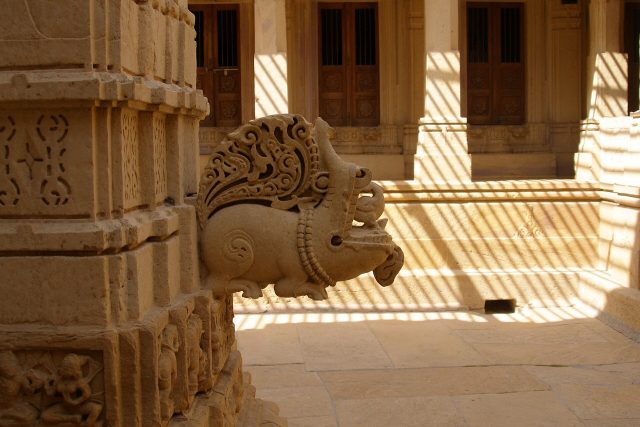
The architecture mixes Rajput and Mughal styles. Temples and pavilions, built from golden sandstone, glow at dusk. Some were places of worship; others were summer retreats for nobility. A few now stand empty, their walls hinting at past lives. They add to the lake’s quiet presence.
The water isn’t always clear, especially in summer when levels drop. Yet locals still use it—washing clothes, praying, performing rituals. For visitors, there are old trees to sit under, fish to feed, or slow boat rides. Boatmen point out details, letting the silence settle.
Monsoon transforms the lake. Water rises, greenery appears, and the scene becomes dreamlike. Photographers come for reflections and light on sandstone. Even in dry months, the lake remains a social place—locals chat, pray, or enjoy the air.
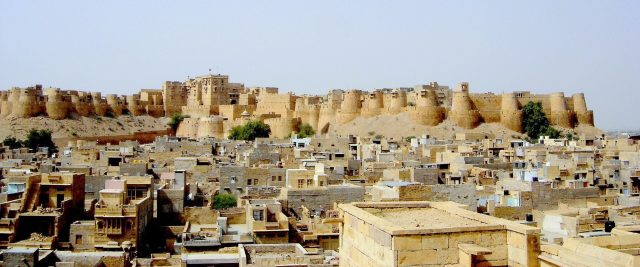
Jaisalmer is known for its fortress and the Thar Desert. Gadisar Lake is different. Fewer tourists visit, so it’s a place to feel Rajasthan’s rhythm. The lake moves slowly, a reminder of water’s value in the desert and what it means to those who live here.
If you’re in Jaisalmer, spend time by the lake. Sit on the shore. Listen to water against stone. Watch birds drink. See children play. Notice how light shifts on sandstone. This is the India beyond postcards—quiet, steady, real.