
Ivaylovgrad
Bulgaria · 8 places
Photo: Bin im Garten, CC BY-SA 3.0
Ivaylovgrad is one of those places where time seems to slow down just enough to let you breathe. Tucked into the foothills of the Rhodope Mountains near the Greek border, this small Bulgarian town moves at its own unhurried pace. The streets are narrow, lined with low-slung houses under terracotta roofs, their walls weathered by decades of sun and wind. On quiet squares, old men play backgammon under the shade of ancient plane trees, their laughter mixing with the rustle of leaves. There are no neon signs or tourist traps here—just the quiet rhythm of a town that has remained largely unchanged for generations.
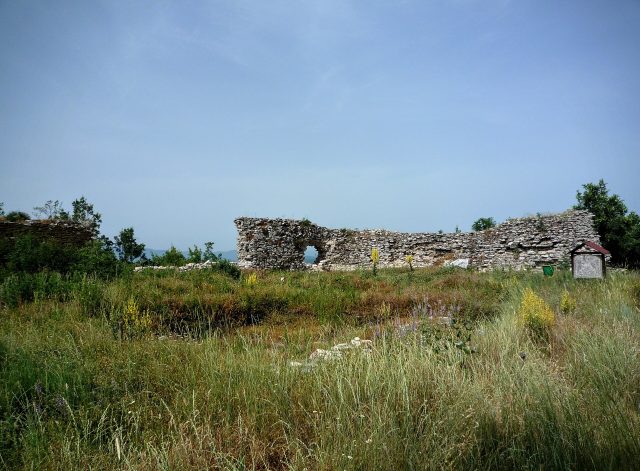
The land around Ivaylovgrad has seen empires come and go. Once part of ancient Thrace, the area still holds traces of its layered past—crumbling Roman settlements, medieval fortresses, and Ottoman bridges that once carried armies and merchants. The most striking remnant is the fortress of Lyutitsa, perched on a rocky hill above the town. Its walls have witnessed Byzantine soldiers, Bulgarian kings, and Ottoman conquerors, and today, they offer a sweeping view of the Arda River valley. On clear evenings, locals say you can spot the distant lights of Greek villages across the border, a reminder of how close yet how far this quiet corner of Bulgaria feels from the rest of the world.
Beyond the town, the Rhodope Mountains stretch out in all directions, their slopes covered in oak and pine forests. Wild boar and deer move through the undergrowth, while winding trails lead to abandoned villages and forgotten monasteries. One such path takes you to the village of Gorno Lukovo, where a 13th-century church stands with faded frescoes still clinging to its walls. Few visitors make the journey, and in the summer heat, the place feels almost suspended in time. Locals retreat to shaded courtyards, sipping cold ayran or homemade wine made from grapes grown in the surrounding hills. When winter comes, the mountains turn white, and Ivaylovgrad settles into an even deeper stillness, its streets quiet except for the occasional crackle of firewood in a stove.
Life here doesn’t rush. In the mornings, the central square fills with stalls selling fresh vegetables and fruit from nearby gardens, their colors bright against the worn cobblestones. Small cafés serve dishes passed down through generations—simple, hearty meals that taste like they’ve been simmering for hours. There’s no urgency, no need to hurry. Even the rare visitors who wander into town quickly fall into the same slow rhythm, as if the place itself has a way of slowing your pulse. The air smells of wild herbs and woodsmoke, and people greet each other with a nod, whether they’ve known each other for years or just met.
Ivaylovgrad doesn’t try to be anything it’s not. It doesn’t chase tourists or put on a show for outsiders. Instead, it exists quietly, on its own terms, and that’s precisely why those who do find their way here often return. Maybe it’s to walk the empty streets again, listening to the wind in the trees, or to sit by the river as the sun dips behind the mountains. The town doesn’t offer grand adventures or flashy sights, but it leaves something gentler—a sense of having stepped into a place that feels like coming home.
See & Do
All of them
Places on the map
Marker colour follows the categoryClimate and weather
Detailed weather: Ivaylovgrad- Average temperature
- 16 °C
- Precipitation per year
- 574 mm
- Sunshine hours per day
- 6.4 h
Average air temperature
°C
5
7
10
15
20
25
28
28
23
17
11
7
Jan
Feb
Mar
Apr
May
Jun
Jul
Aug
Sep
Oct
Nov
Dec


