Ivaylovgrad sits quietly in the southern reaches of Bulgaria, where the hills roll gently and vineyards stretch under the sun. Time moves differently here, as if the land itself has learned to savor the passing of days rather than rush through them. The Historical Museum, tucked in the heart of the town, is one of those rare places where the past doesn’t just linger in memories but takes on a tangible presence. It doesn’t draw crowds with flashy displays or loud announcements. Instead, it offers something far more subtle—a quiet conversation with history, one that unfolds at its own pace.
The museum building is a piece of history in itself. Constructed in the early 20th century as an administrative office, it later found its true calling as a keeper of local stories. The architecture is unassuming yet striking in its simplicity: high ceilings that seem to breathe, large windows that let in streams of light, and heavy wooden doors that creak with the weight of years. There’s a sense of dignity in the way the space holds itself, as if reminding visitors that the past doesn’t need fanfare to be meaningful. Inside, the exhibits unfold without hurry, inviting you to linger where something catches your eye rather than rush from one display to the next.
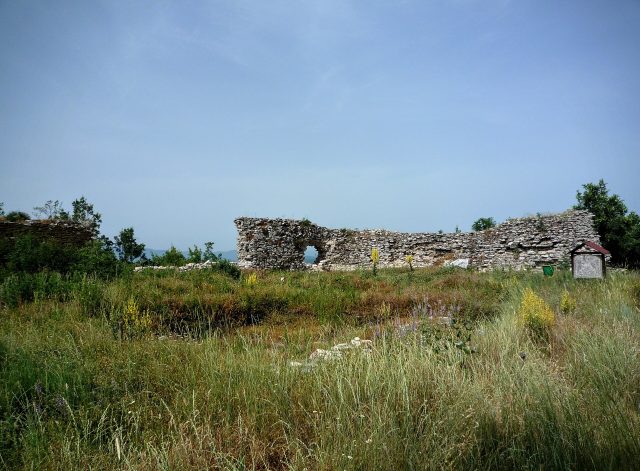
The core of the museum’s collection is made up of archaeological finds unearthed in the surrounding area. These artifacts span centuries, from the days of the ancient Thracians to the Ottoman era. A significant portion comes from Uscudama, the Roman city that once stood where Ivaylovgrad now lies. Coins, pottery, tools, and jewelry—each item is more than just an object; it’s a fragment of someone’s life, whether a craftsman, a soldier, or a farmer. The museum doesn’t aim to overwhelm with the sheer size of its collection. Instead, its strength lies in its intimacy, in the way it makes history feel personal rather than distant.
One room is dedicated to the Bulgarian National Revival period, when Ivaylovgrad—then known as Lyutitsa—was a small but bustling town at the crossroads of trade routes. The exhibits here paint a vivid picture of daily life: the clatter of looms, the heat of the blacksmith’s forge, the rhythm of household chores. Old photographs from the early 1900s show streets lined with people in traditional dress, festive processions winding through town, and faces that seem to belong to another time yet feel strangely familiar. There’s a sense of continuity in these images, as if the spirit of the place hasn’t changed all that much over the decades.
Beyond its historical exhibits, the museum serves as a bridge between past and present. Contemporary artists display their work here, musicians perform in its halls, and lectures bring together locals and visitors alike. In the summer, the courtyard often hosts small fairs where artisans sell handmade ceramics, embroidery, and jars of honey. The atmosphere is warm and unpretentious, more like visiting a neighbor than stepping into an institution. It’s a place where history isn’t locked away behind glass but lives on in the conversations and creativity of the people who pass through.
What makes the Ivaylovgrad Historical Museum special isn’t grand revelations or blockbuster exhibits. It’s the way it refuses to shout for attention, yet manages to leave a lasting impression on those who take the time to listen. There’s no pressure to see everything at once, no scripted narrative forcing you down a particular path. Instead, it offers space to wander, to pause, and to let the stories sink in. The past here isn’t a distant abstraction but something you can almost touch, something that lingers in the air long after you’ve left.
For travelers who seek more than just a checklist of sights, this museum is a quiet revelation. It doesn’t promise dramatic discoveries or Instagram-worthy moments. What it does offer is something far more valuable: a chance to step out of the rush of modern life and into a slower, deeper rhythm. In a world where history is often reduced to soundbites and headlines, places like this remind us that the past is made up of countless small, human stories—and that sometimes, the most meaningful experiences are the ones that unfold quietly.