- Home
- Bangladesh
- Gazipur Sadar

Gazipur Sadar
Bangladesh · 8 places
Photo: Shimul Mohammad, CC BY-SA 4.0
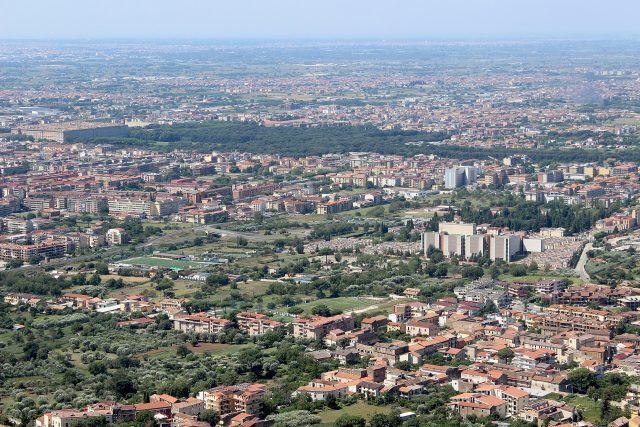
Gazipur Sadar is one of those places that rarely makes it into travel guides, yet it offers something increasingly rare—a glimpse of Bangladesh as it truly is, untouched by mass tourism. Just an hour’s drive from the chaotic energy of Dhaka, the city feels like a world apart. The streets are wide and unhurried, lined with shady trees that soften the tropical heat, while life moves at its own pace, governed by rhythms far removed from the capital’s frenzy. The Turag River winds along its edge, bringing a welcome breeze on sweltering days and marking the boundary between the city’s modest sprawl and the quiet countryside beyond. Locals often call Gazipur the "green city," and the name fits—parks, open spaces, and clusters of trees give it a rare sense of breathing room in a densely populated country.
The city’s identity is deeply tied to its textile industry, which has shaped its landscape and livelihoods for generations. Factories began appearing here during the colonial era, and today Gazipur stands as one of the country’s largest textile hubs. Driving through its outskirts, you’ll pass long, low factory buildings interspersed with residential neighborhoods where workers and their families live in close-knit communities. But Gazipur isn’t just about industry. Hidden among the modern developments are older mosques with intricate brickwork, narrow lanes where traditional homes still stand, and bustling markets where vendors sell everything from fresh produce to handcrafted goods. The early morning bazaars are especially lively, filled with the scent of spices, the hum of bargaining, and the easy camaraderie of daily life.
Beyond its urban core, Gazipur serves as a gateway to some of Bangladesh’s most cherished natural escapes. Just a short distance away lies Bhawal National Park, a sprawling expanse of tropical forest where trails wind beneath towering trees, monkeys chatter in the canopy, and rare birds flit between the branches. The park is a favorite for day trips and picnics, particularly among Dhaka residents looking for a quick respite from the city. During the monsoon season, the landscape transforms—streams swell with rainwater, and the greenery becomes impossibly lush. For those curious about rural life, nearby villages offer a slower, more intimate experience. Here, time moves differently, and visitors are often welcomed with cups of sweet tea and stories of local traditions.
What makes Gazipur special is its unassuming authenticity. Unlike places that cater to tourists, it doesn’t try to impress. There are no flashy attractions or crowded landmarks, just quiet evenings along the riverbank where locals gather to chat or watch the sunset, and streets where every corner seems to hold a small story. The city doesn’t put on a show—it simply exists, offering a rare chance to see Bangladesh as it is, not as it’s packaged for outsiders. If you find yourself here, take your time. Wander without a plan, strike up a conversation, or sit in a roadside tea stall and watch the world go by. The real magic of Gazipur isn’t in its sights, but in its quiet, unfiltered rhythm.
See & Do
All of them
Places on the map
Marker colour follows the categoryClimate and weather
Detailed weather: Gazipur Sadar- Average temperature
- 27 °C
- Precipitation per year
- 1838 mm
Average air temperature
°C
20
23
28
30
30
29
30
29
30
29
26
22
Jan
Feb
Mar
Apr
May
Jun
Jul
Aug
Sep
Oct
Nov
Dec