Weather overview
Хоннингсвог sits far above the Arctic Circle, where the weather follows its own quiet rhythm. Winters in Хоннингсвоге are long and steady, with temperatures hovering around -3 °C in January and February, while the sea remains just above freezing. The sun stays below the horizon for weeks, but the darkness is softened by snow and the occasional glow of the northern lights.
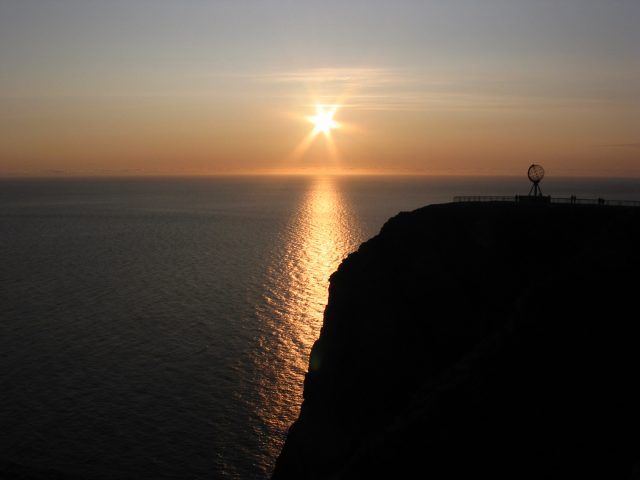
Summer arrives gently in Хоннингсвоге, with July and August bringing the mildest weather of the year. Daytime temperatures reach +13.4 °C at best, and the midnight sun keeps the landscape bathed in light around the clock. Even in these warmer months, the air carries a crisp edge, a reminder of the Arctic’s proximity.
Spring and autumn in Хоннингсвоге are brief transitions. By May, the snow begins to retreat, and temperatures climb above zero, though nights can still dip below. September marks the shift back toward winter, with temperatures falling steadily and the first snowflakes often appearing by late October.
Temperature
The coldest months in Хоннингсвоге are January and March, when average temperatures drop to -3.3 °C and -3.5 °C respectively. Nighttime lows can reach -5.5 °C, so layers are essential if you’re outside after dark. Even in these months, the sea’s influence moderates the extremes, preventing the deep freezes seen further inland.
From June to August, Хоннингсвог enjoys its brief summer, with average temperatures rising to +8 °C in June and peaking at +13 °C in August. The warmth is fleeting, though—by September, averages drop back to +9.5 °C, and the first frosts return. The transition from summer to winter happens quickly here, with October already feeling distinctly chilly at +3.3 °C.
The shoulder seasons in Хоннингсвоге are marked by rapid changes. April and May see temperatures swing from -2.7 °C at night to +6.5 °C during the day, while October and November bring a similar range as winter approaches. If you’re visiting during these months, packing for both cold and slightly milder conditions is wise.
| Month | Minimum | Maximum |
|---|---|---|
| January | -5.5 | -1 |
| February | -4.8 | -0.7 |
| March | -5.5 | -1.8 |
| April | -2.7 | 0.6 |
| May | 2.3 | 6.5 |
| June | 6.1 | 10 |
| July | 9.1 | 13.4 |
| August | 10.8 | 15.3 |
| September | 7.8 | 11.1 |
| October | 2 | 4.6 |
| November | -1.9 | 1.3 |
| December | -5.2 | -1.5 |
Precipitation
Хоннингсвог receives steady precipitation throughout the year, with no truly dry season. The wettest months are September and November, when rainfall and snowfall combine to bring around 96 mm and 102 mm respectively. Even in the drier months like June, you can expect about 55 mm of precipitation, often as rain or sleet.
Snow is common in Хоннингсвоге from October through May, though it rarely accumulates heavily. The ground is usually snow-covered by November, and the white landscape persists until late April or early May. Summers are wetter than you might expect, with July and August bringing frequent drizzle and fog, especially along the coast.
The humidity in Хоннингсвоге stays high year-round, averaging around 80-85% even in the summer months. This can make the cold feel more biting in winter and the mild summer air feel damp. If you’re planning outdoor activities, waterproof layers are useful in any season, as the weather can shift quickly from dry to wet.
| Month | Precipitation |
|---|---|
| January | 90 |
| February | 76 |
| March | 78 |
| April | 72 |
| May | 73 |
| June | 55 |
| July | 61 |
| August | 72 |
| September | 96 |
| October | 79 |
| November | 102 |
| December | 84 |
What to pack
For a winter trip to Хоннингсвог, warmth is the priority. Pack insulated boots, thermal layers, a windproof jacket, and gloves that can handle temperatures below -5 °C. A hat and scarf are essential, as the wind off the sea can make the cold feel sharper. If you’re visiting between November and January, consider bringing a headlamp or flashlight—daylight is scarce, and the northern lights are best seen in darkness.
Summer in Хоннингсвоге calls for lighter layers, but don’t leave your sweater behind. Daytime temperatures in July and August might reach +13 °C, but evenings can feel cool, especially near the water. A waterproof jacket is a must, as rain and fog are common. If you’re planning hikes or boat trips, quick-drying clothing and sturdy shoes will keep you comfortable.
For spring or autumn visits, layering is key. In May or September, you might experience anything from near-freezing mornings to mild afternoons. A mix of thermal base layers, a fleece, and a waterproof outer shell will prepare you for the shifting conditions. Waterproof boots are useful year-round, as snowmelt and rain can leave trails and paths muddy.
| Month | Wind speed | Direction |
|---|---|---|
| January | 3.2 | 230 |
| February | 4.5 | 225 |
| March | 1.6 | 275 |
| April | 0.6 | 268 |
| May | 2 | 269 |
| June | 1.1 | 13 |
| July | 0.9 | 2 |
| August | 0.9 | 204 |
| September | 2.6 | 242 |
| October | 2 | 237 |
| November | 2 | 267 |
| December | 2.8 | 215 |