Honningsvåg’s port sits at the edge of Europe, where Norway meets the Barents Sea. The land drops away into water that stretches to the horizon. This is Finnmark, the far north of the country. The port is a gateway to the Arctic Ocean and a place where life adapts to conditions few experience. In winter, the sea freezes, yet the port stays open. In summer, the sun never sets, and ships connect the town to the world.
Honningsvåg is one of the northernmost towns in Europe. It clings to Magerøya, an island shaped by the ocean. The port’s location made it important long before Norway settled its northern territories. Fishermen, traders, and travelers relied on it. Today, ferries, cargo ships, and fishing boats still define its rhythm. Without the port, the town would be cut off from the mainland.
The port’s architecture is simple. Docks, warehouses, and small offices line the waterfront. Brightly painted fishermen’s huts add color to the long polar nights. Everything is built to endure the climate. Snow covers the port in winter, but it never closes. Icebreakers clear paths for ships, and locals keep working—fishing, loading cargo, or guiding tourists.
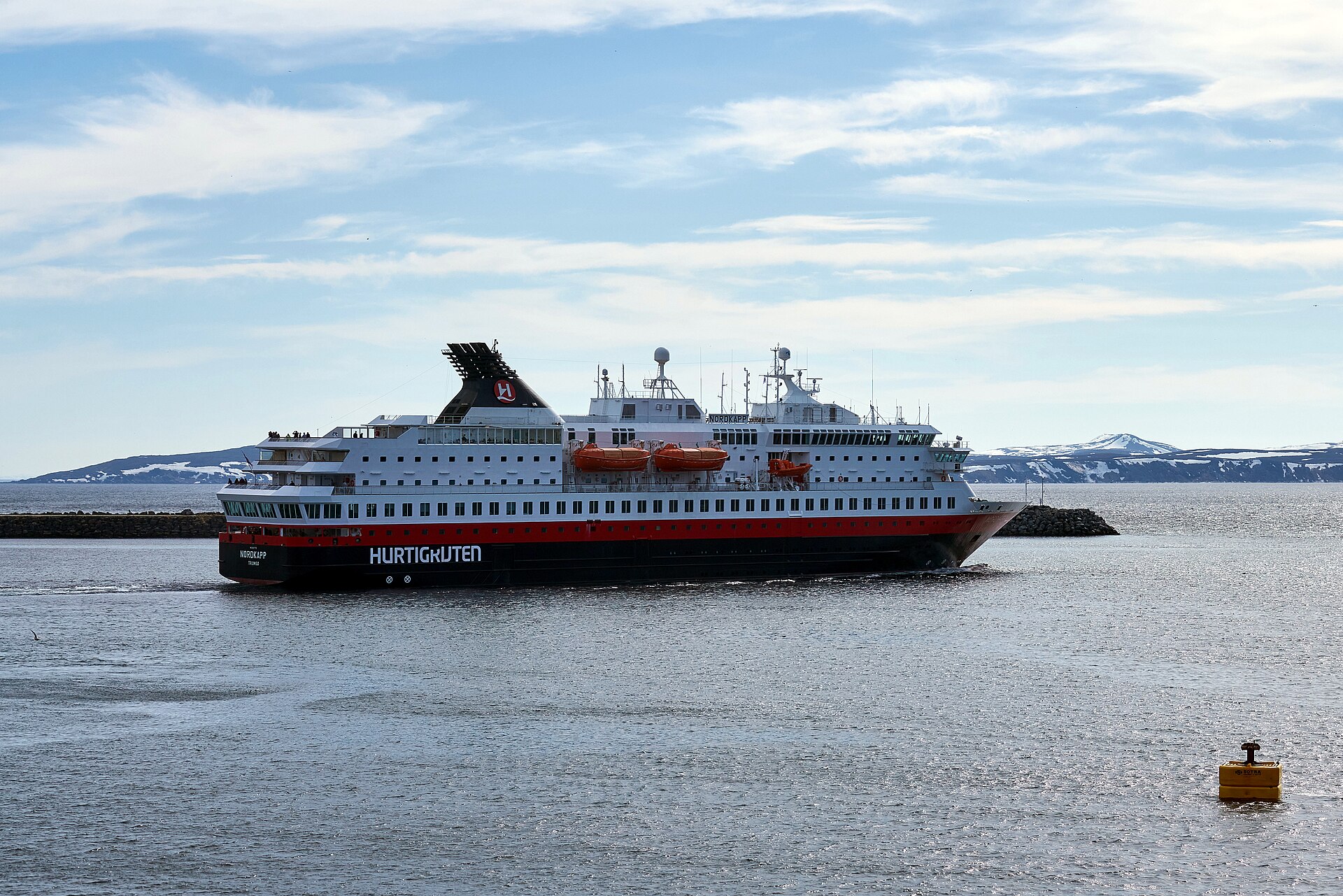
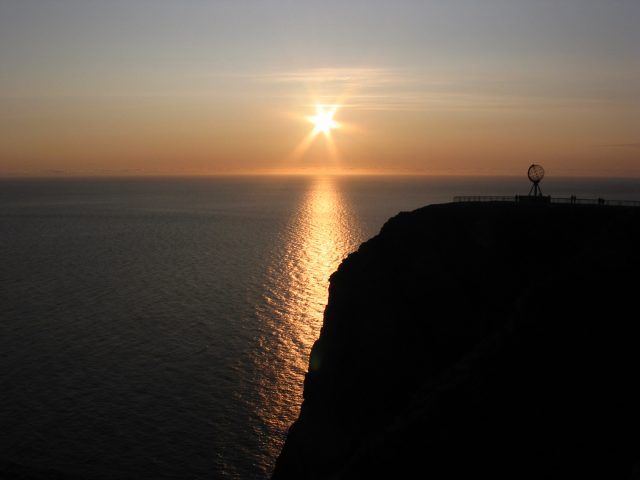
For visitors, the port is often a starting point. From here, tours leave for the North Cape, thirty kilometers north. Some arrive by bus or car, others by cruise ship. The port offers their first glimpse of the Arctic: cold winds, low sun, gulls circling the piers. There are no crowds, just the raw feel of a place that exists for its own sake, not for tourists.
Fishing keeps the port alive. Boats head out daily and return with herring, cod, and haddock. These fish feed the town and the rest of Norway. In the port, you can watch fishermen unload their catch, mend nets, or drink coffee in small cafés. They talk about the weather and fish prices. This isn’t a show—it’s work that happens every day, no matter the season.
Winter transforms the port. The polar night lasts nearly two months, leaving only dim light from streetlamps and ships. The sea freezes, but icebreakers keep the routes open. For locals, this is normal. For visitors, it can feel like standing at the edge of the world. The cold is sharp, the wind relentless. Yet there’s a quiet beauty: snow, silence, the occasional flicker of light on the horizon.
Summer brings change. The sun doesn’t set from May to July. Tourists arrive to see the midnight sun, and fishermen work around the clock. The harbor fills with voices, ship horns, and engine noise. You’ll hear different languages, taste fresh fish at a local restaurant, and feel the energy of a place that refuses to slow down.
The port is part of the region’s history. During World War II, German forces nearly destroyed the town and harbor. After the war, they were rebuilt. There are no grand memorials, but the port stands as proof of resilience. For Norwegians, Honningsvåg represents survival—learning to live with nature, not against it.
When you visit, you see more than a port. It’s where sea, sky, and land meet. Every day is a balance between struggle and harmony. There’s no luxury, but there’s honesty. There’s no rush, just the rhythm of the sea. For some, it’s a stop on a map. For others, it’s a gateway to the Arctic. For those who live here, it’s home.