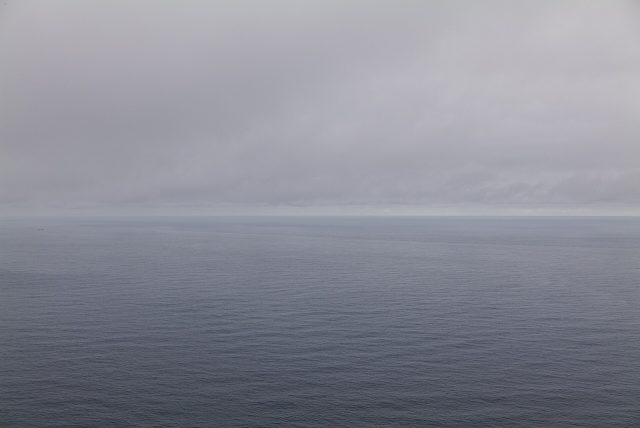
North Cape is where Europe seems to dissolve into the horizon, a place where the land gives way to an endless expanse of sea. Perched on the edge of Magerøya Island in Norway, this windswept promontory has long been mythologized as the continent’s northernmost point, though geography purists might argue that the true tip lies slightly to the west at Knivskjellodden. Yet North Cape’s allure isn’t about precise coordinates—it’s about the sensation of standing at the edge of something vast. Here, the Barents Sea stretches out in every direction, a shifting canvas of water and sky where the only boundary is the curve of the earth itself.
The history of North Cape is woven into the fabric of exploration. The first recorded European to reach it was the English navigator Richard Chancellor in the 16th century, who was searching for a northern passage to Asia. Over time, the cape became a destination for scientists, adventurers, and even royalty—King Oscar II of Norway visited in the 19th century, cementing its reputation as a place of pilgrimage for those drawn to the world’s extremes. Today, it remains a magnet for travelers who come not just to check a box on a map, but to experience the quiet thrill of standing where the known world seems to end.
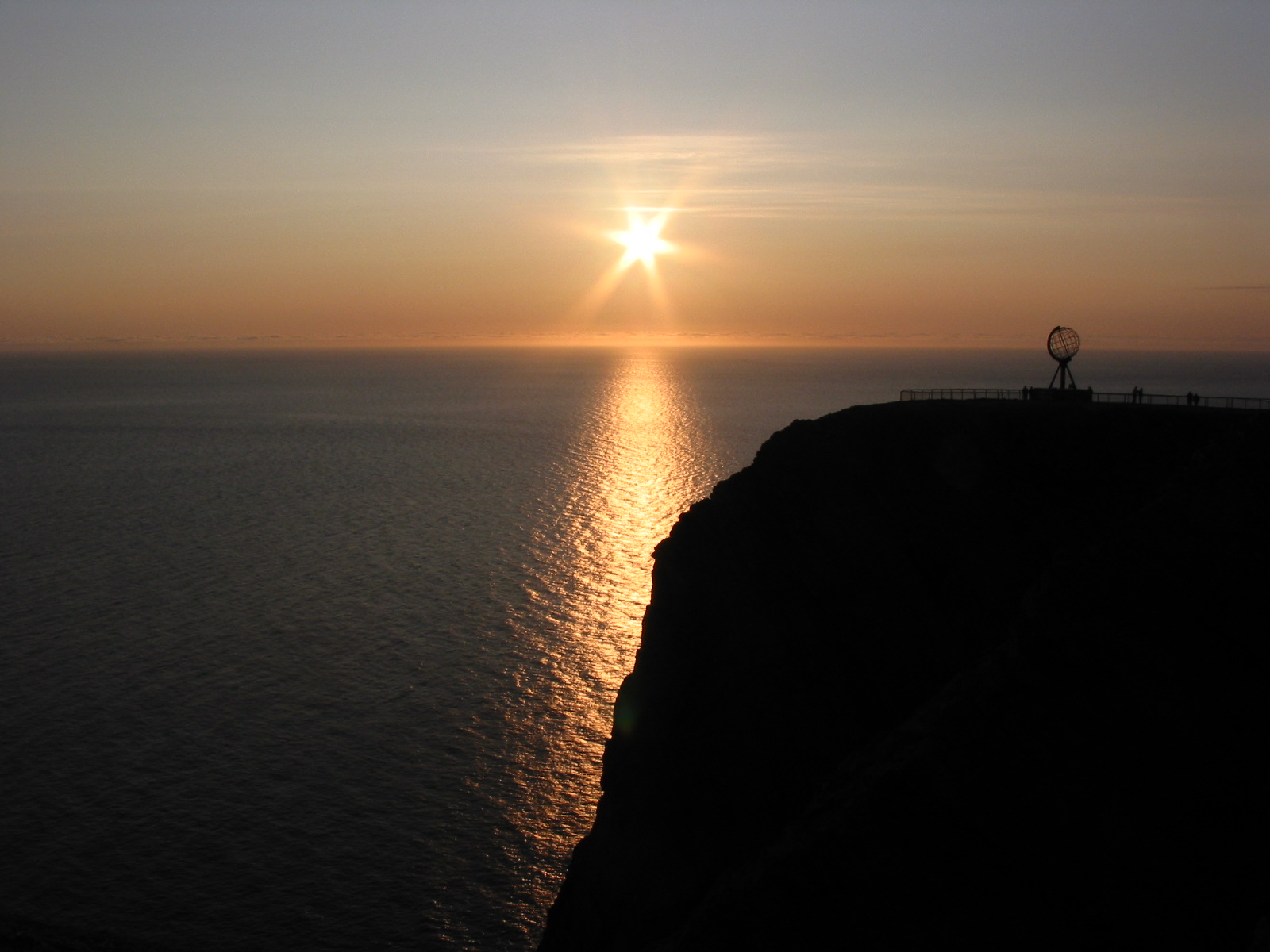
The architecture here is sparse, designed to blend into rather than dominate the landscape. The most striking feature is the massive steel-and-concrete globe that crowns the cliff’s edge. More than just a viewpoint, it houses a visitor center with a café, gift shops, a small museum, and even a cinema. The structure feels almost alien against the raw, windswept terrain, yet it has become the defining image of North Cape. From its observation deck, the view is unbroken—nothing but sea and sky, with distant islands faintly visible on clear days. In winter, the polar night cloaks the cape in darkness for weeks, while in summer, the sun never sets, creating a surreal timelessness where day and night lose their meaning.
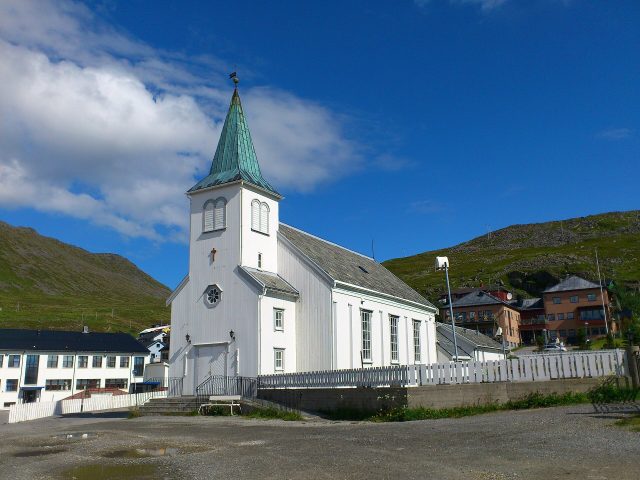
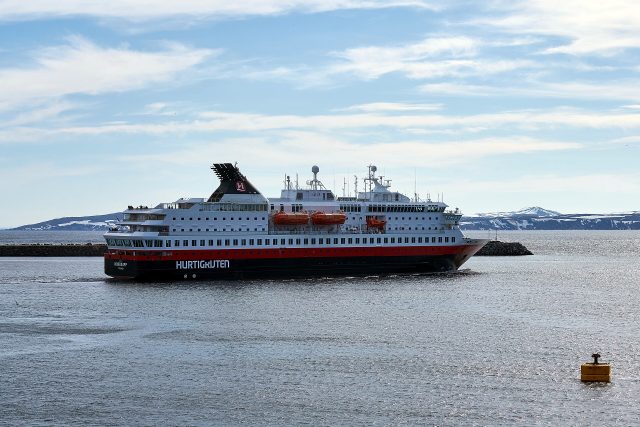
Reaching North Cape is part of the experience. From the nearest town, Honningsvåg, the journey takes about thirty kilometers along a winding road that cuts through tundra and rocky outcrops. Along the way, reindeer often graze by the roadside, and small villages appear like mirages in the vastness. Honningsvåg itself is a quiet fishing town, its wooden houses huddled around a harbor, its streets empty except for the occasional local going about their day. Even in peak season, there’s a sense of remoteness here, as if the rest of the world has faded into the distance.
The weather at North Cape is as unpredictable as the sea itself. Even in summer, the wind can bite, and fog rolls in without warning, swallowing the horizon in minutes. Yet this very unpredictability is what makes the place feel alive. One moment, the cliffs might be shrouded in mist, creating the eerie sensation of being cut off from everything; the next, the clouds lift to reveal a sea so blue it seems to glow. There’s no controlling it, no scripting the experience—only the raw, unfiltered force of nature.
For many, North Cape is more than a destination; it’s a symbol of the human urge to push beyond the familiar. There are no luxury resorts or crowded attractions here, just the quiet vastness of the Arctic and the humbling realization of how small we are against it. That might be why people return—because standing at the edge of the continent isn’t just about seeing a place, but about feeling something larger than themselves. It’s the kind of experience that lingers long after you’ve left.
The locals treat North Cape with a quiet reverence, though not the kind that turns it into a spectacle. For them, it’s simply part of their home, a place where they fish, work, and occasionally welcome visitors. In Honningsvåg, you might hear stories over coffee in a small café—tales of winter storms that lash the coast or the summer influx of travelers from every corner of the globe. Time moves differently here, slower and less rigid, as if the vastness of the landscape has stretched it out.
Visiting North Cape isn’t about ticking off sights or following a guidebook. There’s no prescribed way to experience it—just the cliff, the sea, and the wind. You can stand at the edge and watch the waves crash against the rocks, or wander the surrounding tundra, where wildflowers bloom in summer and snow blankets everything in winter. The landscape shifts with the seasons, but the feeling remains the same: a sense of being both insignificant and deeply connected to something ancient and enduring.
If you come here, don’t expect the usual tourist trappings. There are no crowds, no neon lights, no distractions—just the raw elements of sea, stone, and sky. That’s what makes North Cape special. It’s not a place for those seeking entertainment, but for those who want to feel the pulse of the Arctic, to stand at the edge of the known world, and to realize that some boundaries exist only in our minds.