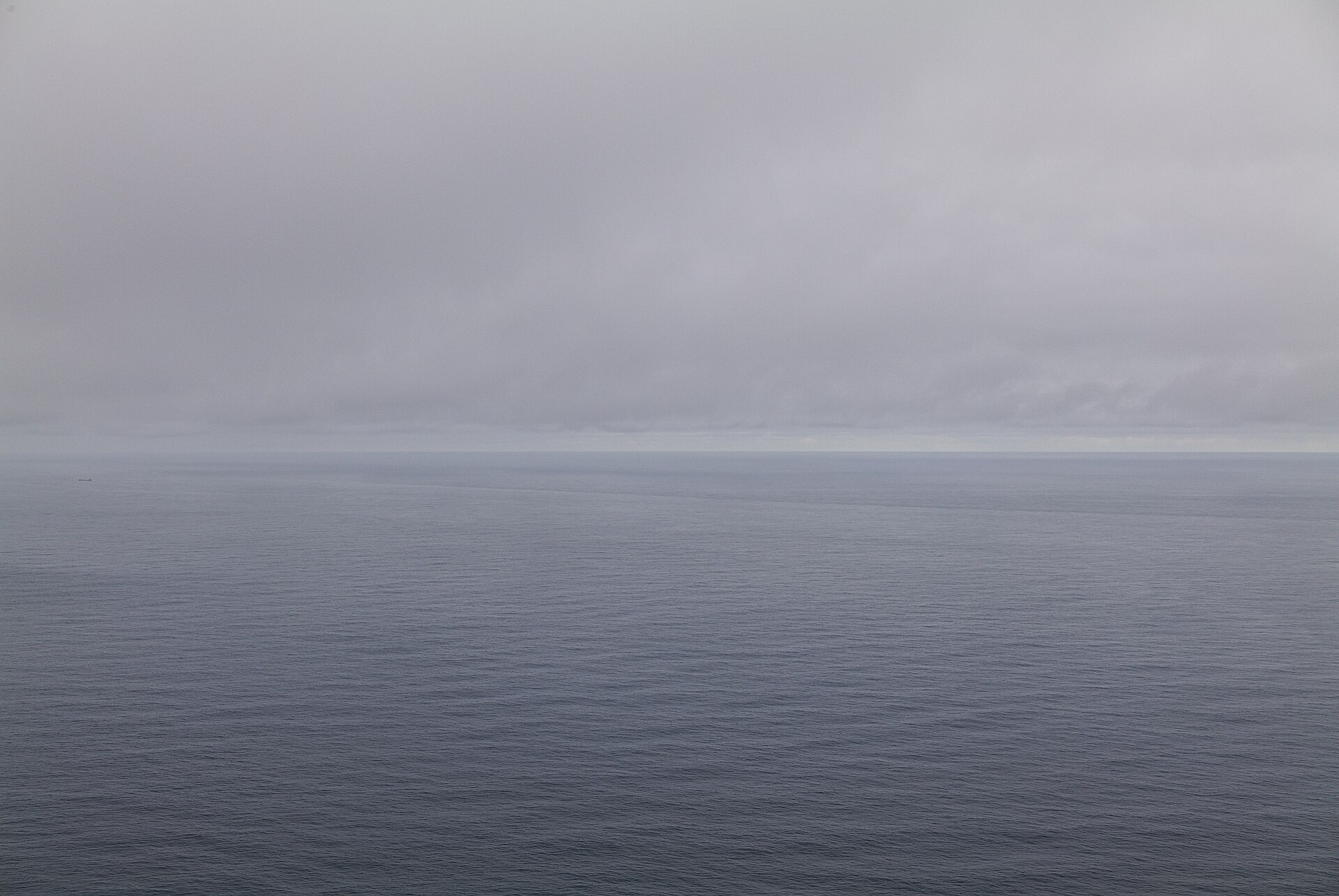
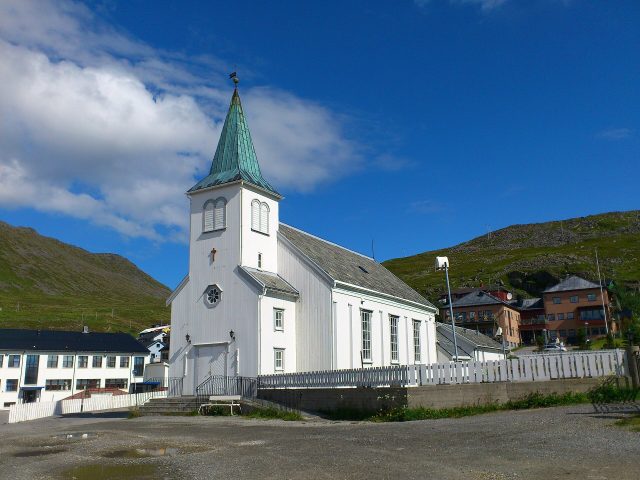
North Cape is where Europe dissolves into the Arctic Ocean. Here, the continent ends not with a gentle fade into the sea, but with sheer cliffs plunging into dark water, the horizon stretching so far it seems to bend. Honningsvåg, the small town just beyond the Arctic Circle, serves as the gateway to this remote edge of Norway, a place where nature sets the terms and humans are only passing through.
The history of the cape is inseparable from the history of seafaring. During the age of exploration, North Cape marked the end of the known world for many travelers. The indigenous Sámi people, who have lived in these lands for millennia, regarded the place as sacred, weaving its rocks and waters into their myths. By the 19th century, Norwegian fishermen and seal hunters saw it as a starting point for perilous voyages, a place where they set out into the unknown, knowing the sea could be as merciful as it was cruel.
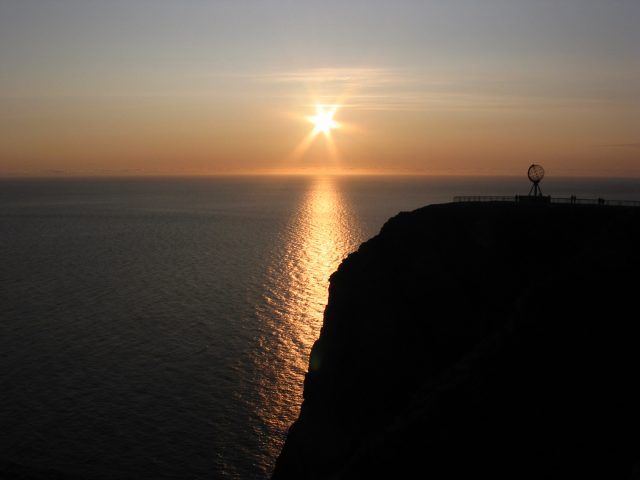
There are no grand monuments here, no cathedrals or castles—only the raw, unfiltered power of the landscape. The road leading to the cape winds across barren plateaus, where the occasional lone cabin or herd of reindeer breaks the emptiness. At the cape itself, a modest marker claims the title of Europe’s northernmost point, though the debate over whether it truly holds that distinction continues. Nearby stands the Kibergnes Lighthouse, built in the early 20th century, its tower a silent sentinel over the cliffs, a reminder of how vital it once was to guide ships through these treacherous waters.
Visiting North Cape is less about ticking off a sight and more about stepping into a different rhythm. In summer, the midnight sun turns the sky into an endless twilight, the sea and horizon merging into a single, shimmering expanse. Winter brings the polar night, where only the aurora borealis cuts through the darkness with its eerie glow. The wind here is constant, carrying the scent of salt and seaweed, the crash of waves drowning out everything else. It’s a place where time feels suspended, where the usual rules of travel—rushing from one attraction to the next—don’t apply.
For most who make the journey, the cape is a humbling experience. There are no crowds, no souvenir shops, no cafes with overpriced coffee—just the wind, the sea, and the cliffs. Many leave feeling an unexpected sense of calm, as if standing at the edge of the world strips away the noise of everyday life. Maybe it’s the vastness of the landscape, or the way the elements command attention, but here, even the most persistent worries seem to fade into the background.
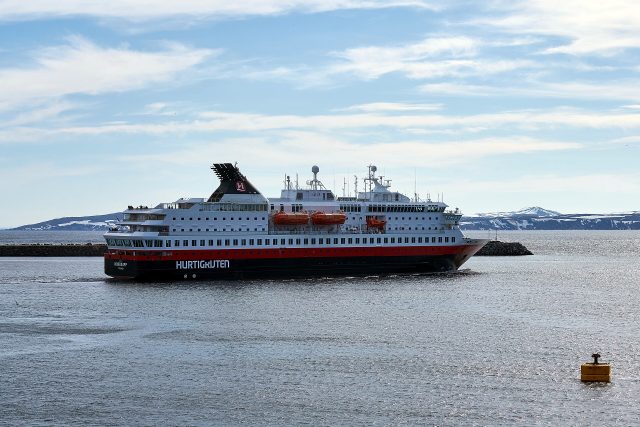
Reaching North Cape means traveling through Honningsvåg, a town connected to the rest of Norway by ferry and a small airport. The drive from there takes about half an hour, though the weather can turn quickly—fog rolls in without warning, and even in summer, rain is common. The road itself is part of the experience, winding through a landscape so stark it feels like another planet. Those who make it to the cape rarely regret the effort. The view from the cliffs, where the land drops away into the churning sea, stays with you long after you’ve left.
North Cape is more than a geographical landmark; it’s a symbol. For Norwegians, it represents the country’s deep ties to the sea, a force that has shaped their history, their livelihoods, and their identity. For travelers, it’s a place to feel the pulse of the Arctic, to see how life persists beyond the Arctic Circle, and to understand that beauty isn’t always gentle. There are no luxury hotels or fine-dining restaurants here, and that’s precisely what makes it special.
If you find yourself here, don’t rush away. Stay for a while. Walk the paths along the cliffs, listen to the waves, and think about all the people who have stood in this same spot over the centuries, looking out at the same endless horizon. Maybe you’ll realize that travel isn’t just about seeing new places, but about the quiet moments that change how you see the world.