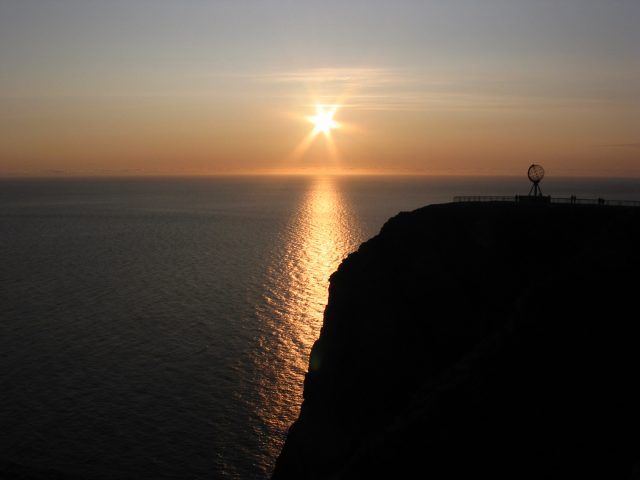
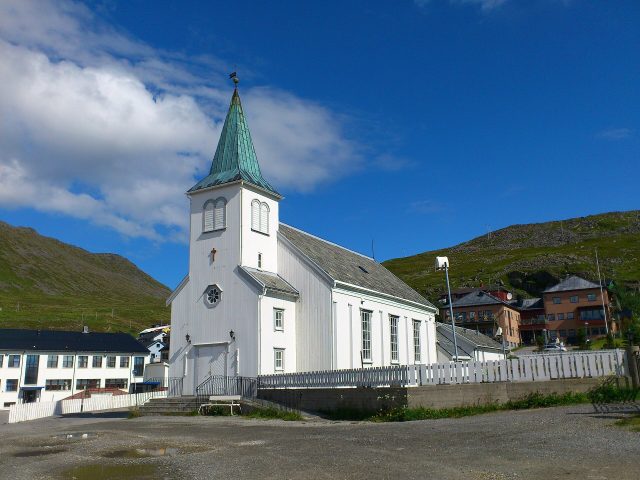
The North Cape Museum in Honningsvåg isn’t just a collection of artifacts—it’s an attempt to capture the essence of a place where land and sea collide at the very top of Europe. This is a landscape of extremes, where the sun vanishes for months in winter and never sets in summer, where the wind howls across bare rock and the sea stretches endlessly toward the horizon. The museum tries to convey what it means to live in such a place, not through grand narratives, but through the quiet details of daily existence: the tools people used, the clothes they wore, the stories they passed down.
The exhibits begin with the earliest inhabitants, who arrived thousands of years ago and learned to survive in a world where survival itself was a daily challenge. Stone tools, fragments of fur clothing, and simple household items reveal how people adapted to the cold, the darkness, and the isolation. Among the most compelling displays are those dedicated to the Sámi, the indigenous people of the Arctic, whose culture has been shaped by this land for generations. Their traditions—reindeer herding, fishing, storytelling—are woven into the fabric of the region, and the museum does its best to honor that connection without reducing it to mere spectacle.
Fishing has always been the lifeblood of Honningsvåg, and the museum dedicates considerable space to its history. Old boats, weathered nets, and rusted harpoons tell the story of a way of life that depended on the sea. For centuries, cod and other fish were not just food but currency, linking this remote corner of Norway to markets across Europe. The exhibits show how methods evolved over time, from small-scale coastal fishing to larger operations, and how the industry shaped the town’s identity. It’s a reminder that even in such a harsh environment, people found ways to thrive.
The museum also explores how the North Cape became a destination for travelers. In the 19th century, the idea of the far north began to captivate the imagination of Europeans, and adventurous souls made the difficult journey to see the edge of the continent for themselves. Among them was King Oscar II of Sweden and Norway, whose visit in 1873 helped turn the North Cape into a symbol of Arctic exploration. Photographs, letters, and personal belongings from early visitors evoke a time when reaching this place was an achievement in itself, long before roads and modern comforts made it accessible.
World War II left its mark on Honningsvåg, and the museum doesn’t shy away from that history. The town was occupied by German forces, and the North Cape became a strategic outpost in the Arctic. Military artifacts, photographs of bombed-out buildings, and firsthand accounts from locals who lived through the occupation paint a stark picture of how war disrupted life here. It’s a sobering reminder that even in such a remote place, global conflicts have consequences.
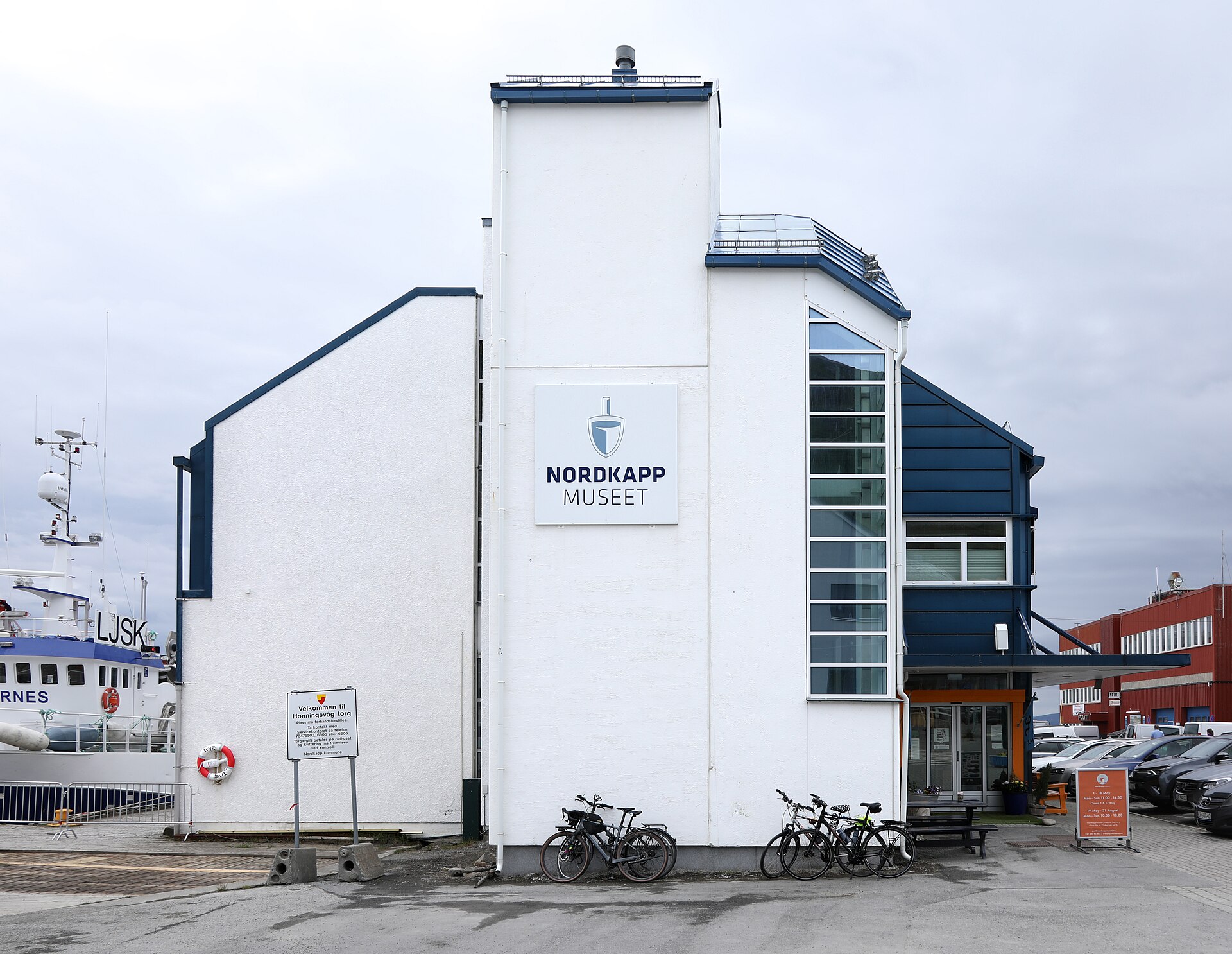
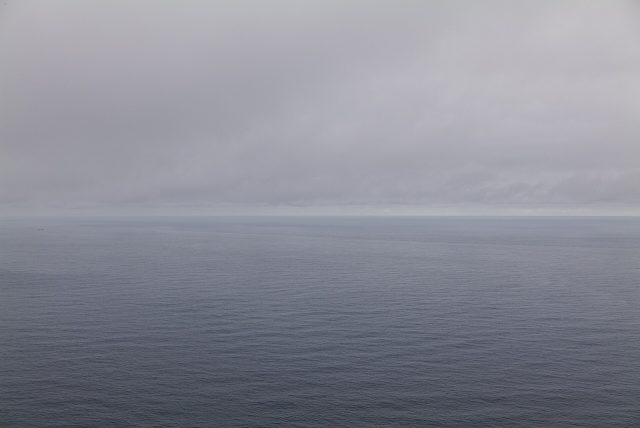
The building itself is worth noticing. Designed to blend with the rugged landscape, it doesn’t try to compete with the dramatic scenery outside. Instead, its clean lines and large windows frame the sea and the cliffs, making the surroundings part of the experience. Inside, the spacious galleries feel uncluttered, with enough room to move and reflect. The museum doesn’t overwhelm visitors with information; it leaves space for quiet observation, whether that means studying an old photograph, listening to a recorded story, or simply staring out at the Barents Sea.
What makes the North Cape Museum special is its restraint. It doesn’t try to romanticize life in the Arctic or turn it into a spectacle. Instead, it presents the past as it was—messy, difficult, but also full of resilience. The exhibits feel personal, as if each object has a story to tell, and the museum trusts visitors to listen. There’s no rush here, no pressure to see everything at once. The pace matches the rhythm of life in the far north, where time moves differently.
For those who come to Honningsvåg to see the North Cape, the museum offers a way to look beyond the iconic cliff and understand the people who have lived in its shadow. It’s not just about the famous visitors or the dramatic events, but about the everyday lives that have unfolded here for centuries. The museum doesn’t claim to have all the answers, but it invites you to ask your own questions—and maybe, just for a moment, to imagine what it’s like to call this place home.